Nanjing Lane Bank
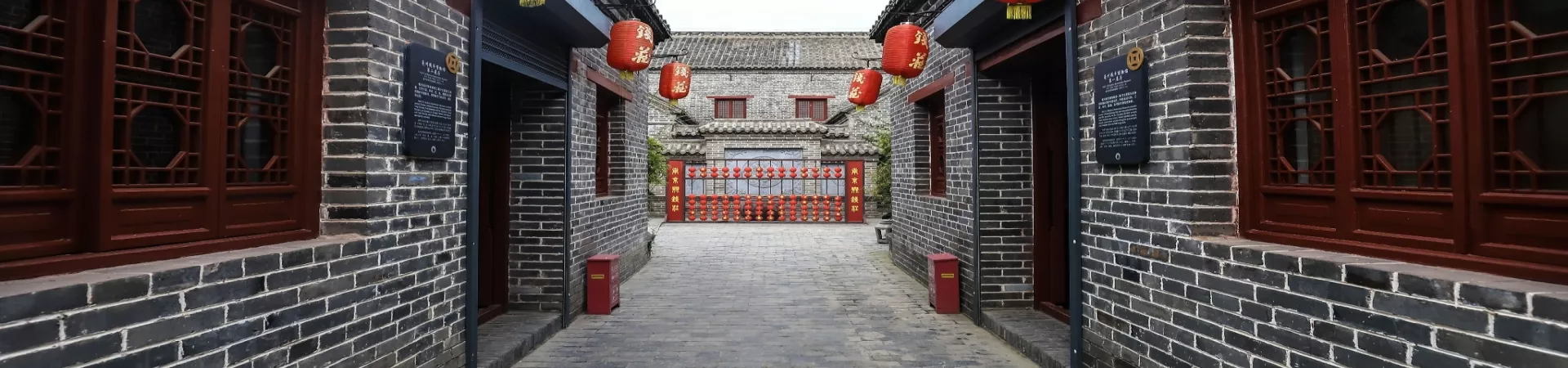
Subtitle: A Journey Through Time: Exploring the Nanjing Lane Old Bank in Bozhou
1. Introduction: The Financial Heart of Historic Bozhou
Nestled within the ancient city of Bozhou in Anhui Province, the Nanjing Lane Old Bank (南京巷钱庄) stands as a remarkably preserved portal into China's dynamic commercial and financial past. Bozhou, historically a major trade hub situated along the Guo River, witnessed a particular flourishing of its financial sector during the Ming and Qing dynasties. As the economy and foreign trade expanded, merchants congregated, and guilds proliferated. By the late Qing and early Republican era, the city was home to a staggering 33 banks of varying sizes. Amidst this bustling financial landscape, the Nanjing Lane Old Bank emerged as a pivotal institution. Constructed during the Daoguang reign (1820-1850) of the Qing Dynasty, it operated as a branch of the famed "Rishengchang" (日升昌) draft bank from Pingyao, Shanxi—often considered the forefather of Chinese modern banking. Its operations were comprehensive for the era, encompassing deposits, loans, currency exchange, and the issuance and redemption of private banknotes (钱票, 银票). While urban development has claimed nearly all of Bozhou's other historical bank buildings, the Nanjing Lane Old Bank survives in an exceptional state of preservation. Today, it functions not merely as a static museum but as a complete, immersive historical environment, offering visitors a tangible connection to the sophisticated financial networks that once underpinned traditional Chinese commerce.
2. Architectural Significance: A Fusion of Form and Function
2.1. Layout and Structure The bank is a masterpiece of traditional Chinese commercial architecture adapted for a specialized purpose. It is a two-story, "three-hall, four-courtyard" (三进四合院) complex, featuring a layout that is both expansive and intricately connected. The design follows a strict and logical progression, guiding visitors and clients from public spaces to more private areas of operation. The compound contains over 30 rooms, each serving a distinct function essential to the bank's daily life. Key spaces include the imposing Gate Hall (门厅), the formal Main Hall (正厅) for client meetings, the Rear Hall (后厅), the secured Counter Room (柜房) where transactions occurred, the Accountant's Office (账房), the Manager's Quarters (掌柜房), and even the Kitchen (灶房). This comprehensive preservation allows for a complete understanding of the spatial organization within a major Qing-era financial firm.
2.2. Stylistic Synthesis What makes the Nanjing Lane Old Bank architecturally distinctive is its harmonious blend of Chinese and Western elements—a testament to the evolving tastes and international influences of late Qing merchant class. While the fundamental layout, courtyard design, and wooden structural framework are quintessentially Chinese, Western architectural motifs are integrated into decorative details. This synthesis might be observed in window designs, decorative plasterwork, or interior fittings, reflecting a period of cultural and economic exchange. This hybrid style, coupled with its pristine condition, grants the building immense value for researchers studying the evolution of pre-modern Chinese shop-front architecture and the material culture of 19th-century finance.
3. Historical Context and the Fate of Bozhou's Banks
3.1. A Branch of a Financial Empire The bank's origins are deeply tied to the "Shanxi Pingyao Bang" (山西平遥帮), a powerful guild of bankers from Shanxi province who dominated China's early financial exchange and remittance networks. Establishing the Nanjing Lane branch was a strategic move, extending the reach of their financial empire into the prosperous trade corridors of Anhui. Its operations were a critical node in a vast system that facilitated long-distance trade by providing secure fund transfers, thereby reducing the need to transport bulky silver ingots across the empire.
3.2. The Sole Survivor Historical records indicate that several other banks operated in Bozhou, many located not far from Nanjing Lane itself. However, the relentless tide of 20th-century urban renewal led to the demolition and alteration of virtually all these historic structures. The survival of the Nanjing Lane Old Bank is therefore somewhat fortuitous and incredibly significant. It exists not as one among many, but as the singular, complete representative of an entire industry that once thrived in the city. Its preservation offers a unique, concentrated glimpse into a vanished world, making its educational and historical value all the more profound.
4. The Visitor Experience: From Street to Vault
4.1. Approaching the Bank: The Atmosphere of Nanjing Lane A visit to the bank begins with an atmospheric journey through the old city. Emerging from the vibrant, opera-themed splendour of the nearby Huaxi Lou (花戏楼), one steps into the quieter, more residential Nanjing Lane. This approach through the ancient neighbourhood sets the stage, allowing visitors to imagine the lane during its heyday, bustling with merchants, clerks, and clients conducting their financial affairs.
4.2. Interior Exhibitions and Displays Inside, the bank has been carefully curated to educate and engage. A dedicated thematic exhibition meticulously charts the "Rise, Development, and Demise of Bozhou's Banking Industry." Through historical documents, replicas of banking instruments, accounting tools, and explanatory panels, the exhibition contextualizes the bank within broader national economic trends. The real power of the visit, however, lies in the architecture itself. Walking through the narrow corridors, peering into the manager's office, or standing at the high counter of the vault room provides an unparalleled sense of immediacy and place, far beyond what text alone can convey.
5. Practical Information for Planning Your Visit
5.1. Location and Neighbouring Attractions The bank is situated within Bozhou's historic northern district, an area historically defined by commerce. The city's layout, famously described as having "seventy-two main streets and thirty-six ancient lanes," evolved directly from its economic prosperity, driven largely by river transport on the Guo River. The bank lies within a network of streets, each historically dedicated to specific trades, such as the Hat Market Street (帽铺街) or White Cloth Avenue (白布大街). Exploring these surrounding lanes after visiting the bank enriches the understanding of the commercial ecosystem it served.
5.2. Admission and Opening Hours * Admission Fee: The entrance ticket is priced at 18 RMB. * Opening Hours: * Monday to Friday: 08:30 - 17:00 (last admission at 16:30). * Saturday, Sunday, and Public Holidays: 08:30 - 17:30 (last admission at 17:00). It is always advisable to confirm these times locally before your visit, as they may be subject to change during special events or holidays.