Huazu Temple
Subtitle: A Pilgrimage to the Legacy of Hua Tuo, the Divine Physician of Ancient China
1. Introduction: The Sacred Grounds of a Medical Sage
Nestled within the historic city of Bozhou, Anhui Province, lies the Huazu Nunnery (Huazu An), a serene and venerable complex dedicated to commemorating the life and achievements of Hua Tuo (c. 140-208 AD), one of ancient China's most brilliant and pioneering medical scientists. More than just a temple, this site serves as a profound cultural sanctuary where architecture, history, and the spirit of traditional Chinese medicine converge. For any visitor interested in the roots of healing, the evolution of medical practice, or the tranquil beauty of classical Chinese courtyards, a journey here is a step back into the era of a true visionary whose innovations, such as the early use of surgical anesthesia, resonated through the centuries.
2. Historical Significance and Architectural Layout
2.1. Origins and Purpose The Huazu Nunnery's origins trace back to the Tang and Song Dynasties, established as a temple for sacrificial rites in honor of Hua Tuo (courtesy name Yuanhua, also known as Fu). Over subsequent dynasties, it has been renovated and expanded, evolving into the comprehensive memorial complex seen today. Its primary function has always been dual: to venerate the "Divine Physician" and to preserve and promote his medical philosophy and humanitarian spirit.
2.2. Structural Composition and Ambiance Spanning approximately 8,600 square meters, the complex is thoughtfully organized into three main interconnected courtyards, each with a distinct character: * The Temple and Shrine Courtyard: This is the ceremonial heart of the complex. The main hall houses statues and relics related to Hua Tuo, where visitors can pay their respects. The atmosphere here is one of solemn reverence, emphasized by the imposing pair of stone lions guarding the entrance and the ancient, gnarled trees whose branches twist skyward, casting dappled shadows. The traditional architecture, with its upturned eaves, vibrant beams, and tranquil incense smoke, creates a deeply meditative space. * The Former Residence Courtyard: This section offers a more intimate glimpse into Hua Tuo's world. It aims to reconstruct the living environment of the scholar-physician, providing context for his daily life and practice. * The Ancient Herb Garden Courtyard: Perhaps the most evocative area, this garden is a living museum of traditional pharmacopeia. It cultivates various medicinal herbs and plants that Hua Tuo would have used in his formulations, such as those for his famed anesthetic "Mafeisan." This garden beautifully symbolizes the deep connection between nature and healing in Chinese medicine.
3. Practical Visitor Information
3.1. Location and Access The Huazu Nunnery is located in Bozhou, a city easily accessible by train or long-distance bus from major hubs like Hefei. Within the city, reaching the site is straightforward. * By Public Transport: * From Bozhou Railway Station: Take public bus route 5, 2, or 3. Alight at the "Dayushou" stop. From there, it is a pleasant 6-minute walk to the Nunnery. * From Bozhou Long-Distance Bus Station: Take bus route 3 to the "Dayushou" stop, followed by the same 6-minute walk. * By Taxi/Rideshare: Direct service is widely available and convenient from anywhere in the city.
3.2. Admission and Operating Hours * Ticket Fee: The entrance fee is 10 RMB per person, offering exceptional value for the historical and cultural experience provided. * Opening Hours: The site is open daily from 8:30 AM to 5:30 PM. * Last Admission: The final entry is at 5:00 PM. It is advisable to arrive at least 1.5-2 hours before closing to explore at a comfortable pace.
4. The Immersive Experience: What to See and Feel
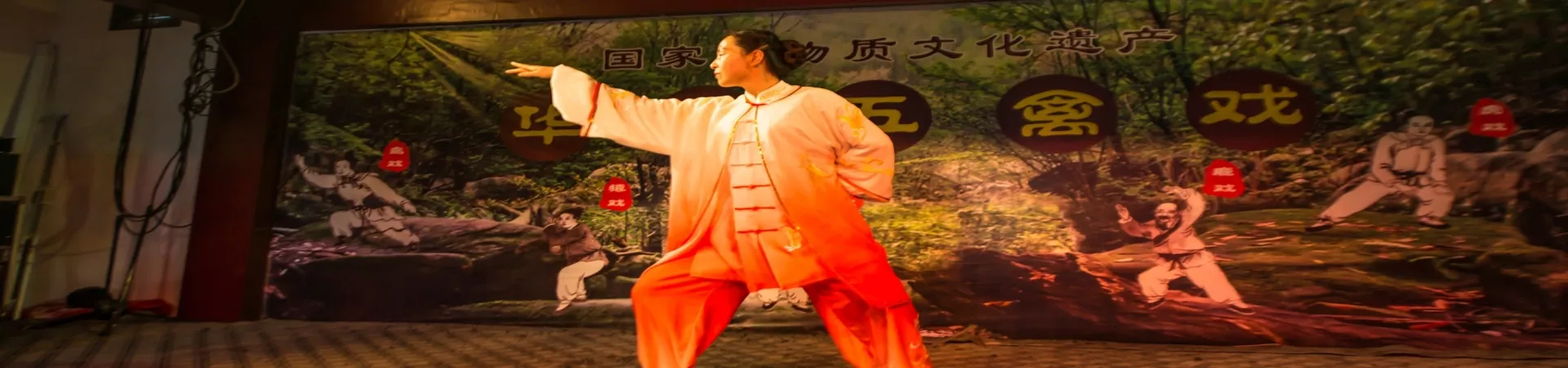
4.1. Engaging with History and Medicine A visit is an educational journey. Informative plaques and displays (often bilingual) detail Hua Tuo's contributions, including his expertise in acupuncture, herbal medicine, and his development of the "Five Animals Play" (Wu Qin Xi), a set of health exercises模仿动物动作. The artifacts and texts on display provide tangible links to his enduring legacy.
4.2. Sensory and Reflective Moments Beyond the historical facts, the Nunnery offers a space for quiet contemplation. The rustle of leaves in the herb garden, the scent of aged wood and incense in the temple halls, and the intricate details of wood carvings and stone steles engage the senses. The contrast between the solemnity of the shrine and the vibrant life in the garden encapsulates the balance central to Hua Tuo's practice—between reverence for knowledge and the dynamic application of healing.
4.3. Suggested Duration and Tips * Recommended Visit Duration: Plan for 1 to 3 hours. This allows sufficient time to appreciate all three courtyards, read the explanatory materials, and absorb the peaceful atmosphere without rush. * Visitor Tips: Wear comfortable walking shoes. Mornings on weekdays are typically less crowded. Photography is generally permitted, but be respectful in the main shrine areas. Engaging a local guide (often available on-site) can greatly enrich your understanding of the finer historical and medical details.