Caocao Park
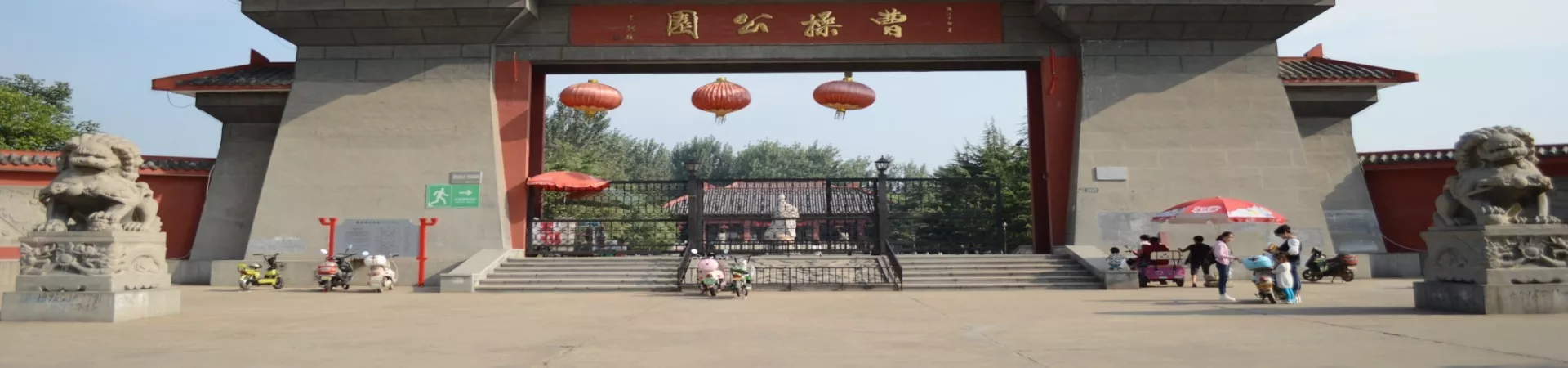
Subtitle: A Journey Through History: Exploring Cao Cao Park in Bozhou
I. Introduction: A Portal to the Three Kingdoms Era
Nestled in the ancient city of Bozhou in Anhui Province, China, Cao Cao Park (曹操公园) stands not merely as a recreational space but as a profound cultural monument dedicated to one of the most iconic, complex, and pivotal figures in Chinese history: Cao Cao (155–220 AD). During the tumultuous era of the Three Kingdoms, Cao Cao was a brilliant strategist, formidable warlord, gifted poet, and de facto ruler of the northern heartland, whose legacy has fascinated and divided opinions for millennia. This park, developed around his ancestral tomb complex, offers visitors a unique opportunity to step back in time and engage with the tangible remnants and enduring spirit of this legendary period. More than just a collection of relics, it is a thoughtfully designed landscape where history, archaeology, and commemoration intertwine, providing a serene yet intellectually stimulating environment to contemplate the life, achievements, and multifaceted persona of a man who shaped the destiny of a nation.
II. Historical Significance and Archaeological Core
A. The Discovery of the Cao Cao Tomb The park's profound significance skyrocketed following the official archaeological confirmation in 2009 of the Cao Cao Gaoling Mausoleum (曹操高陵). This discovery, ending centuries of speculation about the warlord's final resting place, was a monumental event in Chinese archaeology. The tomb, though historically looted, yielded crucial artifacts that provided invaluable insights into the burial customs, material culture, and military organization of the late Eastern Han dynasty. Its identification centered on inscribed stone tablets bearing the title "King Wu of Wei" (Cao Cao's posthumous title) and other contextual evidence from the site.
B. Architectural Layout and Artifacts The mausoleum complex follows the typical structure of an imperial tomb from that era. The main components include: * The Spirit Way: The approach to the tomb, which would have been lined with stone statues and pillars, setting a solemn tone. * The Burial Chamber: The underground vault constructed with large stone slabs, comprising a main chamber and connecting side chambers intended to hold burial goods for the afterlife. * The Artifact Collection: While many treasures were lost, recovered items include stone inscriptions (the most critical evidence), pottery figurines, ceramic vessels, iron weapons, and personal adornments. These objects, some of which are displayed in the park's museum, paint a picture of the era's craftsmanship and the practical, relatively austere style Cao Cao advocated for in burial—a contrast to the lavish tombs of other contemporary rulers.
III. Park Layout and Key Attractions
The park is masterfully organized to guide visitors through a narrative journey from remembrance to historical exploration and quiet reflection.
A. The Memorial Square and Statue The visit often begins at a spacious square dominated by a majestic bronze statue of Cao Cao. Depicted in armor, often with a commanding gaze and sometimes holding a scroll to symbolize his dual prowess in warfare and literature, this statue sets the stage. It is a focal point for photography and initial contemplation of his formidable presence.
B. The Museum and Exhibition Halls This modern facility is essential for contextualizing the outdoor sights. Its exhibits are generally divided into several thematic sections: * Cao Cao's Life and Deeds: Using detailed timelines, maps, and reproductions, this section chronicles his rise from a local official to the power behind the Han throne, highlighting key battles like Guandu and his administrative reforms. * The Archaeology of the Mausoleum: This area details the discovery process, excavation methods, and showcases replicas and original artifacts found within the tomb. Informative panels explain the significance of each find. * Culture of the Three Kingdoms: Expanding beyond Cao Cao, this section explores the broader historical, social, and cultural landscape of the period, featuring information on rival figures like Liu Bei and Sun Quan, technological advancements, and artistic achievements.
C. The Tomb Site Itself A carefully preserved and presented archaeological zone. Visitors can walk along designated pathways to view the excavated remains of the tomb structures from above. Informational signage helps visualize the original scale and function of different areas. The atmosphere here is one of palpable history, allowing one to stand at the very spot where this legendary figure was laid to rest.
D. The Sculpture Garden and Landscaped Gardens Scattered throughout the park's lush greenery are stone and bronze sculptures depicting scenes from Cao Cao's life, famous anecdotes, or characters from the Romance of the Three Kingdoms. These artistic interpretations add a narrative and accessible dimension to the historical facts. The traditional Chinese gardens, with their ponds, bridges, and pavilions, offer peaceful corners for rest and reflection, embodying the poetic and philosophical side of the era.
IV. Practical Visitor Information
To ensure a smooth and enriching experience, please note the following essential details.
A. Location and Access Cao Cao Park is located in Bozhou City, Anhui Province. Bozhou is accessible by high-speed rail and long-distance bus from major cities like Hefei and Zhengzhou. The park is a well-known landmark within the city and can be reached by taxi, public bus, or ride-sharing services.
B. Operating Hours and Contact * Opening Hours: The park is open daily from 10:00 to 21:00. Last admission is at 21:00. * Contact Telephone: For the most current information, especially regarding special events or maintenance closures, visitors can call 0558-5112147.
C. Suggested Visit Approach To fully appreciate the park, allocate a minimum of 2 to 3 hours. A logical flow is to start at the Memorial Square, proceed to the Museum to build foundational knowledge, then visit the Tomb Site with this context in mind, and finally enjoy a leisurely stroll through the Sculpture and Landscaped Gardens. Engaging a licensed tour guide (often available on-site) is highly recommended, as they can bring the stories and historical nuances to life in a way that static displays cannot. Comfortable walking shoes are advised due to the park's size.