Cao Cao Memorial Hall
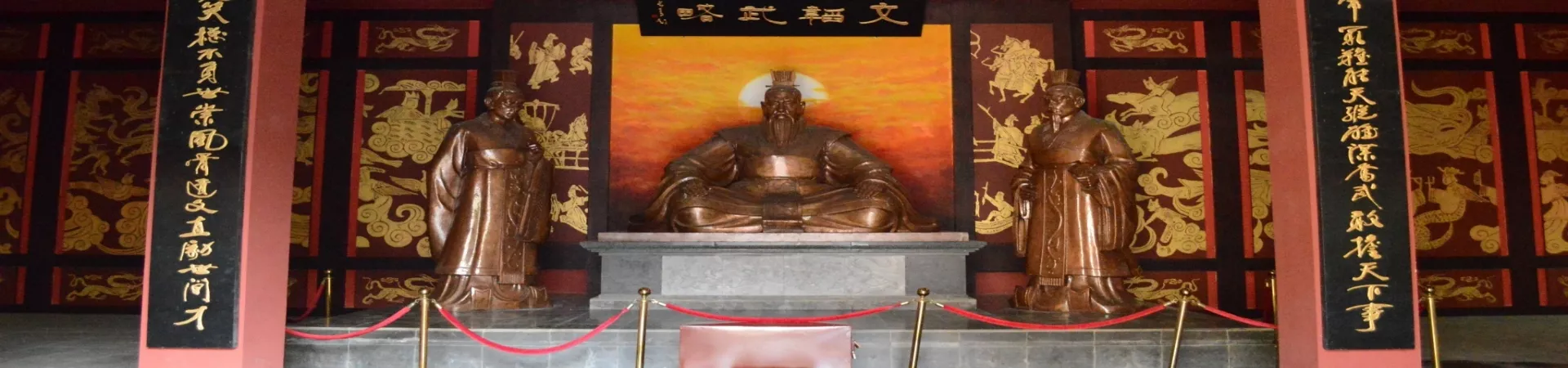
Subtitle: Exploring the Legacy of a Strategist, Poet, and Statesman in His Hometown
1. Introduction to the Cao Cao Memorial Hall Nestled within the serene confines of Cao Cao Park in Bozhou, Anhui Province, the Cao Cao Memorial Hall stands as a dedicated and profound tribute to one of the most complex and influential figures in Chinese history: Cao Cao. This specialized memorial site, inaugurated in 2009, is designed to immerse visitors in the rich tapestry of the Three Kingdoms period, using the legendary and multifaceted life of Cao Cao as its central narrative thread. More than just a museum, it is a cultural portal to an era of epic warfare, political intrigue, and remarkable literary achievement. With a total construction area of 2,200 square meters, the hall’s architecture and exhibitions are meticulously curated to reflect the monumental contributions of Cao Cao in the realms of politics, military strategy, and literature, offering a comprehensive perspective that moves beyond popular folklore to examine the man behind the legacy.
2. Architectural Design and Layout 2.1 A Journey Through Han Dynasty Aesthetics The memorial hall is architecturally significant, conceived as a harmonious complex of buildings in the traditional Three-Courtyard (San Jin) style, which emulates the grandeur and solemnity of the Han Dynasty. This choice of architectural style is deliberate, grounding the visitor’s experience in the historical context of Cao Cao’s own time. The layout encourages a paced, contemplative journey from one courtyard to the next, each space unfolding a different chapter of his story. The use of classical Han design elements—from the sweeping roofs to the structured courtyards—creates an atmosphere of timelessness and reverence, effectively separating the modern world from the ancient saga being recounted within its walls.
2.2 The Exhibition Sequence The journey through the hall is both linear and thematic. Visitors typically progress through the courtyards, encountering a logical sequence of exhibits that build a layered understanding of Cao Cao. The design facilitates a narrative flow, beginning with his origins and culminating in the enduring impact of his life’s work. This spatial arrangement ensures that the historical, personal, and cultural dimensions of his story are experienced in a cohesive and impactful manner.
3. Core Exhibitions and Collections The memorial hall’s intellectual and visual appeal lies in its diverse and detailed exhibitions, which utilize various mediums to bring history to life.
3.1 The Biography of Cao Cao: The Man and The Myth This foundational section provides a detailed chronological account of Cao Cao’s life. Born in 155 AD in Qiao County, Pei State (present-day Bozhou), Cao Cao, courtesy name Mengde, rose from a turbulent late Eastern Han Dynasty to become the de facto ruler of northern China. The exhibit outlines his path from a young officer to the formidable Chancellor who laid the groundwork for the state of Cao Wei. It addresses his posthumous title, Emperor Wu of Wei, conferred by his son Cao Pi, and sets the stage for understanding his dual reputation as a brilliant strategist and a controversial, often vilified, figure in traditional narratives.
3.2 The Wei Wu Shrine: Honoring the Martial Legacy Dedicated to his military and political achievements, this shrine-like space delves into the practical foundations of his power. Key policies are highlighted: 3.2.1 Agricultural and Economic Reforms: It details his innovative Tuntian (military-agricultural colonies) system and water conservation projects, which revived agricultural production, stabilized the economy, and supplied his armies in a war-torn north. 3.2.2 Meritocratic Governance: The exhibit emphasizes his revolutionary policy of recruiting officials based on talent and ability rather than aristocratic birth, breaking the monopoly of powerful families and strengthening his administration. 3.2.3 Military Theory: Displaying replicas and analyses of his renowned works like "Commentary on the Art of War" ("Sunzi Luejie") and "The New Book of Mengde," this section showcases his genius as a military theorist who both studied classic texts and applied his own formidable experience.
3.3 The Three Caos Poetry Stele Corridor: A Literary Testament This tranquil corridor celebrates Cao Cao’s profound literary heritage, shared with his sons Cao Pi and Cao Zhi—collectively known as the "Three Caos." They were pivotal figures in the Jian’an style of poetry. Engraved steles feature their verses, with Cao Cao’s own poems taking center stage. His works, such as "Though the Tortoise Lives Long" and "Short Song Style," are presented to reveal a different facet of his character: a poet capable of expressing vast political ambition, philosophical reflection on mortality, and sincere empathy for the sufferings of the common people during the chaos of the late Han. This corridor argues for his enduring significance in Chinese cultural history, independent of his political career.
3.4 The Wax Figure and Artifact Displays A centerpiece of the hall is the lifelike wax figure of Cao Cao, which offers a powerful visual encounter with the historical figure, often depicted in the posture of a commander or a scholar. Surrounding this are carefully selected artifacts, replicas of period weaponry, ceremonial objects, and everyday items from the Three Kingdoms era. These displays provide tangible context, helping visitors visualize the material culture of the time and connect the abstract historical narrative to physical reality.
4. Historical Significance and Lasting Impact The memorial hall positions Cao Cao not merely as a cunning character from fiction but as a transformative historical agent. His efforts in unifying the north, restoring economic order, and institutionalizing meritocracy created a template for future statecraft. Furthermore, his literary output preserved the emotional and social texture of his era. The hall encourages visitors to engage with the complexities of his legacy—the simultaneous pursuit of power, order, and cultural refinement—and to understand how his life shaped the transition from the Han Dynasty to the Three Kingdoms period.
5. Visitor Information 5.1 Location and Access The Cao Cao Memorial Hall is situated within Cao Cao Park in Bozhou City, Anhui Province. Bozhou is easily accessible by rail and road, and the park is a well-known local landmark.
5.2 Opening Hours The memorial hall is open to the public throughout the year. Operating Hours: 08:30 – 17:00 daily. Last Admission: 17:00. It is advisable for visitors to plan their arrival with sufficient time to explore the exhibits in detail before closing.