Bozhou Flower Theater
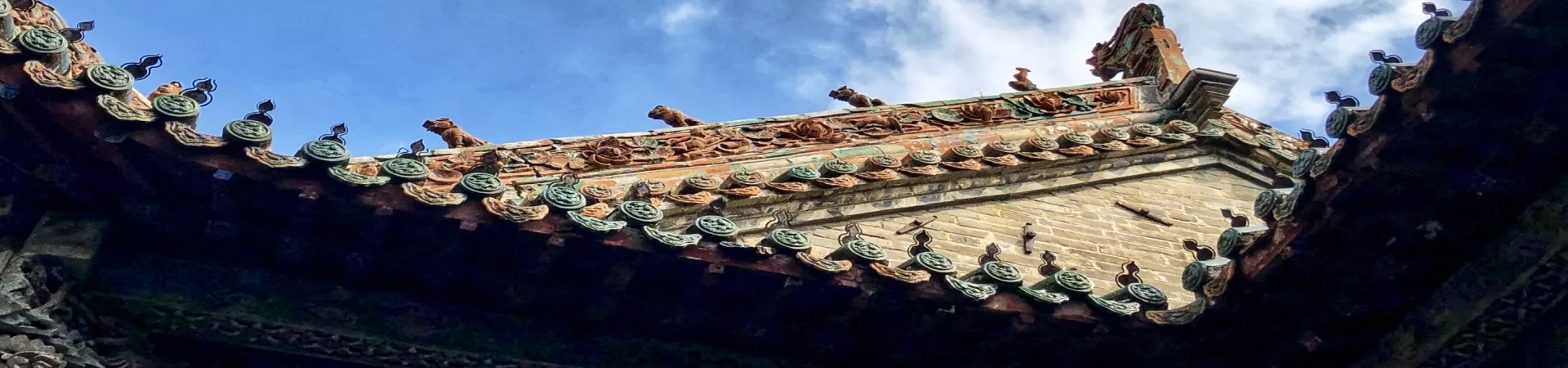
An Architectural Symphony in Brick and Wood: Unveiling Bozhou's Huaxi Lou (The Ornate Opera Stage)
Nestled within the ancient city of Bozhou in Anhui Province, China, stands a magnificent testament to the convergence of commerce, community, and high art from the Qing Dynasty. Known colloquially as Huaxi Lou, or the "Ornate Opera Stage," this architectural complex officially bears the names Daguandi Miao (The Great Guan Yu Temple) and Shan-Shaan Huiguan (Shanxi-Shaanxi Guildhall). Its history and very essence are a rich tapestry woven from threads of merchant culture, religious devotion, and theatrical tradition, making it a paramount destination for understanding northern Anhui's historical landscape. Designated as a National Key Cultural Relics Protection Unit, it is far more than a single building; it is an immersive portal into the 17th and 18th centuries.
From Guildhall to Sacred Stage: A Historical Foundation
The story of Huaxi Lou begins with the influential merchant communities from Shanxi and Shaanxi provinces. During the early Qing Dynasty, these prosperous traders established a guildhall in Bozhou, a crucial hub for commerce and the herbal medicine trade. This guildhall also served as a temple dedicated to Guan Yu, the deified historical general revered as a symbol of loyalty, righteousness, and brotherhood—qualities highly valued in business circles. The initial construction dates to the Shunzhi era, with a major renovation funded by the merchants in 1656. The site's transformation into a center for performance and artistic display culminated two decades later with the addition of its most iconic feature: the opera stage itself, built in 1676 during the Kangxi Emperor's reign. This fusion of commercial power, spiritual reverence, and cultural patronage created the unique monument we see today.
Architectural Layout: A Symphony of Space and Function
The complex is meticulously arranged to serve both solemn ritual and vibrant public entertainment. The layout centers on a primary axis, balancing sacred and social spaces.
The Grand Hall (Da Dian): The Sacred Core Acting as the architectural and spiritual heart of the complex, the Grand Hall is an imposing structure approximately 10 meters in height. It was originally designed to house a revered wooden statue of Guan Yu, flanked by statues of his loyal attendants, Guan Ping and Zhou Cang. Tragically, these original sculptures were destroyed during the Japanese invasion in the last century. The hall's presence underscores the site's primary function as a temple, where merchants would pray for protection and ethical guidance in their ventures.
The Ornate Opera Stage (Huaxi Lou): The Cultural Heart Facing the Grand Hall is the breathtaking structure that gives the entire complex its popular name. The stage is ingeniously designed in a T-shaped or "凸" character layout, extending into the courtyard to surround the audience on three sides and create an intimate connection between performers and spectators. Directly above the stage, a gilded plaque boldly declares its purpose with four characters: "Yan Gu Feng Jin" (Performing the Ancient, Satirizing the Present). This is complemented by a poignant wooden couplet flanking the stage. The right scroll reads, "One melody of 'Spring Song' awakens dreams of past and present," while the left responds, "Two types of visages enact all tales of loyalty and treachery." This philosophical framing elevates the theatrical performances from mere amusement to a medium for moral reflection and social commentary.
The Mountain Gate and Auxiliary Structures The entrance to the complex is marked by an impressive Mountain Gate (Shan Men), a three-story, pavilion-style gatehouse constructed with finely polished brick in imitation of wooden architecture. Flanking this central gate are two elegant towers: the Bell Tower (Zhong Lou) on the east and the Drum Tower (Gu Lou) on the west. Together, they form a harmonious and imposing façade that prepares visitors for the wonders within.
A Museum of Folk Art: Sculpture and Adornment
What truly sets Huaxi Lou apart and justifies its "Ornate" moniker is its staggering collection of brick carvings, wood carvings, and polychrome paintings. These are not mere decorations; they are a comprehensive visual library of Chinese folklore, mythology, and opera.
Narratives in Brick and Wood The surfaces of the gatehouse, walls, beams, and brackets are densely covered with intricate reliefs. The brick carvings on the Mountain Gate, in particular, are considered masterpieces of the craft. They depict dozens of scenes from famous operas, historical tales, and auspicious legends. Similarly, the wood carvings on the stage and supporting structures feature elaborate designs of figures, landscapes, and symbolic flora and fauna. Each panel tells a story, serving to educate, entertain, and impart moral lessons to the largely illiterate public of the time.
Vibrant Polychrome Paintings Complementing the sculptures is a vibrant array of color paintings that adorn the eaves, ceilings, and beams. Using mineral-based pigments that have retained their brilliance for centuries, these paintings feature motifs ranging from swirling dragons and phoenixes to delicate flowers and geometric patterns. The combined effect of the carvings and paintings is one of overwhelming visual splendor and narrative depth, transforming the architecture into a dynamic storybook.
Notable Artifacts and Practical Information
Before the Grand Hall stands a significant historical artifact: a large iron incense tripod (Tie Ding), flanked by a pair of majestic iron cranes (Tie He). Each crane stands upon a mythical turtle and reaches about 3 meters in height, with a weight exceeding 500 kilograms. These were cast and placed here in 1694, further attesting to the wealth and devotional fervor of the merchant patrons.
For visitors planning a trip, the following practical details are essential:
Ticket Information:
- General Admission: 45 RMB (for adults).
- Concession Ticket: 25 RMB. This applies to:
- Minors aged 6 to 18.
- Full-time students (with valid student ID).
- Teachers (with valid teacher certification).
- Active-duty military personnel and retired army officers (with valid ID).
- Seniors aged 60 to 65 (with valid ID).
Opening Hours:
- The site is open daily from 9:00 AM to 5:30 PM.
- Last admission is at 5:00 PM.
Contact:
- For inquiries, visitors can call 0558-5552589.
Stepping into Huaxi Lou is to step onto a stage where history itself performed. The air seems to echo with the clang of merchant accounting, the murmur of prayers to Guan Yu, and the resonant songs and dramatic dialogues from centuries of performances. It remains a peerless monument where commerce, faith, and art built something enduringly beautiful together.