The Cao Clan Tomb Group in Bozhou
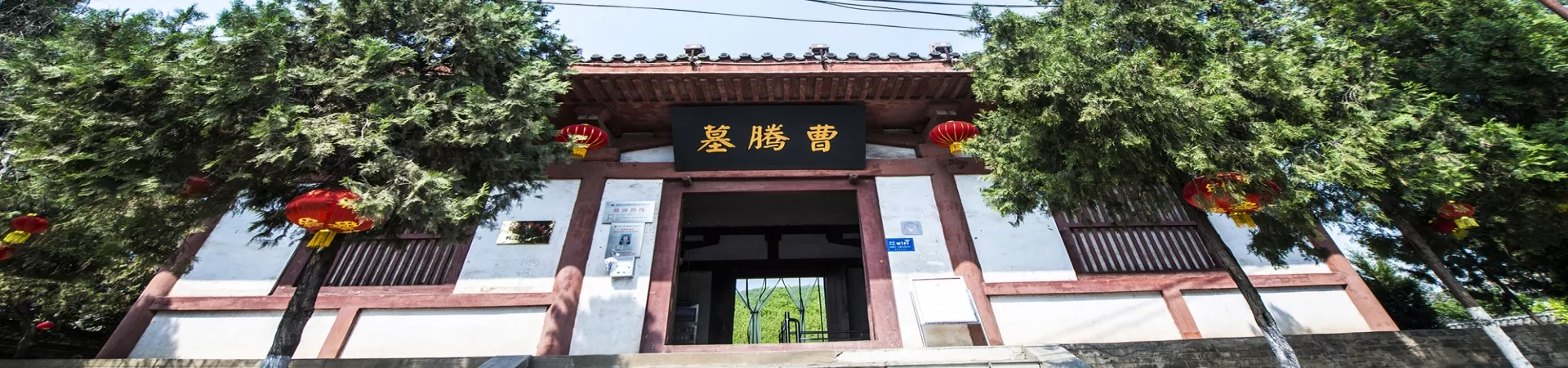
Subtitle: Unearthing the Legacy of the Cao Clan: A Journey Through History in Bozhou
1. Introduction: The Cradle of a Dynasty Nestled within the historic city of Bozhou in Anhui Province, China, lies an archaeological site of profound significance—the Cao Clan Cemetery. This extensive necropolis serves as the final resting place for the illustrious Cao family, whose most famous son, Cao Cao, rose to become the formidable warlord and de facto ruler of the late Eastern Han Dynasty. More than just a collection of tombs, the Cao Clan Cemetery is a silent yet eloquent testament to the turbulent era of the Three Kingdoms, a period immortalized in literature and folklore. For visitors, it offers a rare, tangible connection to the figures who shaped one of China's most romanticized historical epochs, inviting exploration into the world of power, strategy, and legacy that defined the Cao clan.
2. Historical Context and Significance 2.1 The Cao Clan and the Three Kingdoms Era To understand the cemetery's importance, one must first appreciate the stature of the Cao family. The Cao Clan Cemetery primarily contains the graves of Cao Cao's ancestors, including his grandfather Cao Teng and father Cao Song. During the Eastern Han Dynasty's decline, the Cao family accumulated significant power and influence. Cao Cao, building upon this foundation, emerged as a brilliant military strategist, poet, and statesman. He effectively controlled northern China, laying the groundwork for the state of Cao Wei, which was formally established by his son Cao Pi. The cemetery, therefore, represents the familial and geographical roots of a lineage that would alter the course of Chinese history.
2.2 Archaeological Rediscovery and Findings The site gained modern prominence through extensive archaeological work. The most sensational discovery was the suspected tomb of Cao Cao himself, known as the Gaoling Mausoleum, though its attribution remains a topic of scholarly debate. Other tombs within the complex have yielded invaluable artifacts, including: * Stone tablets and epitaphs: Providing crucial historical records and insights into burial customs. * Funerary objects: Such as pottery, jade pieces, bronze mirrors, and weapons, reflecting the social status and daily life of the elite. * Architectural features: The tomb structures showcase the brick and stone construction techniques, tomb chamber layouts, and defensive mechanisms against tomb robbers prevalent during the Han to Wei periods. These findings collectively paint a vivid picture of the period's mortuary practices, artistic styles, and technological capabilities.
3. Exploring the Site: Layout and Key Features The cemetery is not a single tomb but a sprawling complex spread across multiple locations in Bozhou, particularly in the Guanyin and Yuanbaoji areas. The tombs are typically built with large, finely crafted bricks and consist of multiple chambers.
3.1 Architectural Design and Symbolism The tomb designs are monumental and intricate. Key architectural elements include: * Main Burial Chambers: Often comprising an antechamber, main chamber, and side chambers, symbolizing the deceased's earthly residence. * Sealing Walls and Doors: Massive stone doors and layered brick walls demonstrate the desire for permanence and protection. * Vaulted Ceilings: Some tombs feature barrel-vaulted or dome ceilings, representing the heavens and showcasing advanced engineering. The layout and construction reflect contemporary beliefs in the afterlife, where the tomb was an eternal "home" equipped with all necessities for the soul's journey.
3.2 Notable Tombs and Highlights While several tombs have been excavated, a few stand out for visitors: * The Tomb of Cao Teng: As the grandfather of Cao Cao, his tomb is one of the core sites, highlighting the family's early prominence. * The Tomb of Cao Song: Cao Cao's father's tomb further emphasizes the direct lineage. * The Cao Cao Gaoling Mausoleum Site: Whether it is conclusively his or not, this large-scale tomb complex is a focal point of interest. Its scale, hidden location, and the sparse but high-quality artifacts found initially fueled its association with the cautious and strategic warlord, who was known for advocating simple burials to deter robbers.
4. The Visitor Experience and Practical Insights 4.1 Navigating the Cultural Landscape A visit to the Cao Clan Cemetery is more an archaeological and historical pilgrimage than a scenic tour. The atmosphere is one of solemn history. Many artifacts discovered on-site are displayed in the nearby Bozhou Museum, making a combined visit highly recommended to fully appreciate the context. At the cemetery itself, visitors can walk among the excavated tomb structures, peer into the deep chambers, and observe the ancient brickwork, allowing for quiet contemplation of the nearly two millennia of history embedded in the earth.
4.2 Debates and Lasting Mysteries Part of the site's intrigue lies in its unresolved questions. The ongoing academic debate regarding the true identity of the occupant of the "Cao Cao Tomb" adds a layer of mystery. This controversy engages visitors, encouraging them to examine the evidence and ponder the complex figure of Cao Cao—both as a historical powerhouse and a cultural icon often portrayed as a cunning villain in traditional operas and the novel Romance of the Three Kingdoms. The cemetery thus becomes a place where history, archaeology, and legend intersect.
4.3 Planning Your Visit For an optimal experience, consider the following: * Location: The sites are located in various parts of Bozhou City. Centralized exhibition areas or park settings have been developed around some key tombs for better accessibility. * Best Time to Visit: Spring and autumn offer the most pleasant weather for exploring the outdoor sites. * Combined Itinerary: Allocate a half-day to visit the cemetery sites and another half-day for the Bozhou Museum. Bozhou itself is also famous as the "Capital of Chinese Medicine," with attractions like the Hua Tuo Memorial Temple and the ancient medicinal market, allowing for a rich multi-theme travel experience. * Guided Tours: Consider hiring a local guide or using an audio guide to fully grasp the historical nuances and stories behind the silent stones and chambers.