Xizhifang Huanghe Ancient Village
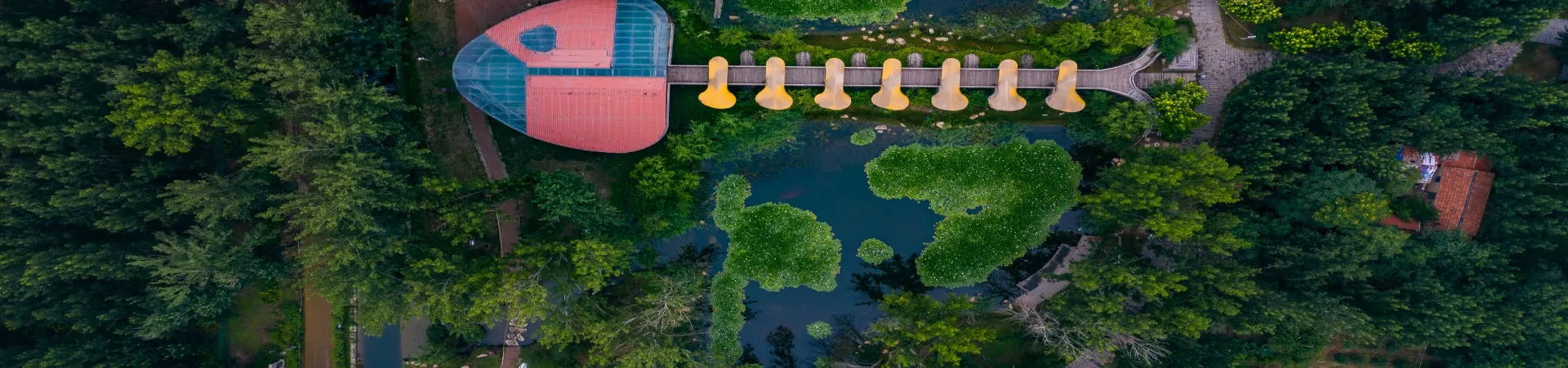
Subtitle: A Journey Through Time: Discovering the Ancient Charms of Xizhifang Village on the Yellow River
Introduction: Where History Meets the River
Nestled on the southern bank of the mighty Yellow River in Bincheng District, Binzhou City, Shandong Province, lies Xizhifang Yellow River Ancient Village. This is not merely a scenic spot; it is a living, breathing portal into a rich tapestry of history, traditional craftsmanship, and profound ecological significance. The village's name, "Xizhifang" (West Paper Workshop), whispers of its illustrious past as a hub of papermaking during the Ming and Qing dynasties, serving the imperial needs of the time. Today, transformed into a culturally focused eco-tourism destination, Xizhifang offers visitors a rare opportunity to step away from the modern rush and immerse themselves in the serene, timeless atmosphere of a riverside settlement that has harmonized with China's mother river for centuries. The gentle flow of the Yellow River here provides a constant, soothing backdrop to an exploration of ancient architecture, hands-on cultural experiences, and tranquil natural beauty.
1. A Tapestry of History and Architecture
1.1. The Legacy of Imperial Papermaking The soul of Xizhifang is inextricably linked to its historical industry. For hundreds of years, the village thrived on the production of high-quality paper, renowned for its strength and fine texture, which was designated for official and imperial use. This heritage forms the core narrative of the village. Visitors can sense this history in the very layout of the restored lanes and in the preserved ethos of artisanal craftsmanship that the village actively promotes.
1.2. Architectural Harmony: Earthen Houses and Courtyards The most striking visual feature of Xizhifang is its collection of restored traditional rammed-earth dwellings. Over a dozen of these ancient courtyard homes have been meticulously preserved or reconstructed using traditional methods and materials. Their ochre-colored walls, thick and sturdy, showcase the wisdom of ancient construction techniques adapted to the local climate. Wandering through these interconnected courtyards, such as the "Zhang," "Wang," and "Mu" family compounds, offers a tangible feel for the communal living and architectural aesthetics of northern Chinese rural life from a bygone era. The simplicity and earthy elegance of these structures stand in beautiful contrast to the surrounding greenery and the vast river sky.
2. Immersive Cultural Experiences and Artistic Flair
2.1. The Blaze of Tradition: Ancient Kilns and Pottery Scattered throughout the village are several ancient kiln sites, with the most prominent being the "Brick and Tile Kiln" and the "Pottery Kiln." These are not mere relics; they are active centers of cultural transmission. The dragon kiln, in particular, with its long, sloping structure, is an impressive sight. Visitors can often witness master potters at work, shaping clay into beautiful objects using methods passed down through generations. Participatory workshops allow guests to try their hand at pottery, creating a unique, personal souvenir connected directly to the village's earthy heritage.
2.2. Workshops of Craftsmanship Beyond pottery, the village houses various artisan workshops dedicated to reviving and sustaining traditional Chinese folk arts. These may include: * Papermaking Workshops: A direct homage to its history, where the process of pulping, screening, and drying paper can be observed and experienced. * Weaving and Dyeing Studios: Showcasing the intricate arts of textile creation using natural fibers and dyes. * Woodworking and Folk Painting Studios: Where skilled artisans create delicate works, adding vibrant colors and cultural motifs to the village ambiance.
2.3. Seasonal Festivals and Performances Xizhifang's cultural calendar is often animated with traditional festivals and performances. During key holidays or tourist seasons, visitors might be treated to local opera snippets, folk music, dragon or lion dances, and other intangible cultural heritage demonstrations that bring the village's history to life in a dynamic and celebratory manner.
3. Natural Serenity and the Yellow River Ecosystem
3.1. The Ever-Present Yellow River The village's geography is defined by the Yellow River. Riverside walkways and viewing platforms provide stunning, unobstructed vistas of the river's broad flow. The mood shifts with the time of day—golden sunrises, shimmering afternoon light, and spectacular sunsets paint the water in changing colors. It's a place for contemplation, photography, and simply appreciating the monumental landscape that has nurtured Chinese civilization.
3.2. Lush Gardens and Green Canopies Transforming the village into a "forest park," the area is lush with vegetation. Thousands of trees, including ancient dates, willows, and locusts, provide shade and a sense of peaceful seclusion. Fragrant flower gardens, vineyards, and vegetable plots are integrated into the landscape, promoting an ideal of sustainable, harmonious living with nature. The air is fresh, filled with the sounds of birds and rustling leaves, offering a genuine respite from urban environments.
4. Practical Information for Your Visit
4.1. Location and Transportation Xizhifang Ancient Village is located in Bincheng District, Binzhou City, Shandong Province. * By Public Transport: The most convenient public access is via the dedicated Scenic Area Bus Line 32. Alight at the Xizhifang Station (西纸坊站), and the village entrance is within a short walking distance. * By Private Vehicle: The village is accessible by car, with parking facilities available near the entrance.
4.2. Opening Hours and Admission * Opening Hours: The village grounds are accessible 24 hours a day, every day of the year. However, access to specific indoor workshops, museums, or paid experience areas may operate within shorter daytime hours (typically 9:00 AM to 5:00 PM). It is advisable to check for any seasonal variations upon arrival. * Admission: Entry to the main village area and its outdoor architectural sites is generally free of charge. Separate, modest fees may apply for specific hands-on workshops, pottery sessions, or special exhibition halls.
4.3. Suggested Duration and Best Time to Visit * Suggested Duration: To fully appreciate the architecture, participate in an activity, enjoy the riverside scenery, and explore the gardens at a leisurely pace, a visit of 3 to 4 hours is recommended. Those wishing to delve deeper into workshops or relax extensively may choose to spend half a day or more. * Best Seasons: Spring (April-May) and Autumn (September-October) offer the most pleasant weather, with comfortable temperatures and vibrant natural colors. The village's beauty, however, is year-round, with each season offering a different charm.
4.4. Contact Information For the latest information or specific inquiries regarding workshop schedules and events, you may contact: * General Inquiry: 0543-7067777 * Alternative Contact: 18764566788
(Note: Operational details such as contact numbers and bus schedules are subject to change. It is recommended to verify information prior to your visit.)