Wuding Prefecture Yamen
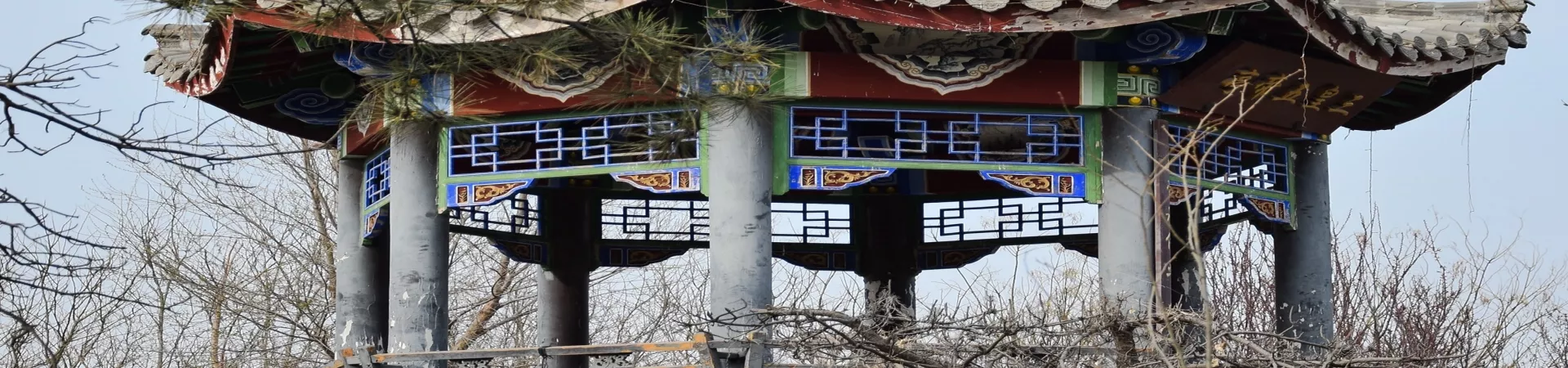
Subtitle: A Journey Through Time: Exploring the Historic Wuding Government Office in Binzhou, China
Introduction: Stepping into Imperial China
Nestled within the modern city of Binzhou in Shandong Province lies a portal to China's imperial past: the Wuding Government Office (武定府衙). More than just a collection of ancient buildings, this meticulously preserved complex serves as a tangible narrative of local governance, architectural elegance, and cultural continuity from the Ming and Qing dynasties. For the discerning visitor, it offers a rare, immersive experience away from China's bustling metropolises, providing a profound understanding of the administrative machinery and daily life that once governed this region. A visit here is not merely sightseeing; it is an educational voyage into the heart of traditional Chinese bureaucratic and social structures.
1. Historical Significance and Architectural Grandeur
1.1. A Seat of Power Through the Ages The Wuding Government Office stands as a testament to the region's historical importance. Originally established during the Ming Dynasty and extensively renovated in the Qing era, it functioned as the operational headquarters for the local magistrate—the highest governmental authority in the prefecture. This was where critical decisions were made, justice was administered, and the imperial edicts were implemented, making it the undisputed nerve center of political, legal, and social life for the surrounding areas. Its preservation allows us to walk the same paths as officials, scholars, and petitioners did centuries ago.
1.2. Architectural Philosophy and Layout The complex is a masterpiece of traditional Chinese palatial architecture, adhering strictly to the axial symmetry and hierarchical spatial principles characteristic of official buildings from that period.
- The Central Axis: The entire layout is organized along a solemn north-south central axis, symbolizing order and authority. Major halls are aligned on this axis, each serving a specific ceremonial or functional purpose.
- Key Structures: Progressing inward from the main gate, visitors typically encounter a series of escalating important halls. The most significant is often the Great Hall (大堂), where the magistrate held court, conducted official ceremonies, and pronounced judgments. Its elevated platform, imposing interior, and inscribed plaques evoke an atmosphere of solemn authority. Behind it, the Residential Quarters (二堂、内宅) provided the magistrate and his family with living space, reflecting the blending of public duty and private life.
- Courtyard Design: Interconnected courtyards surround the main halls, housing auxiliary offices, archives, guest quarters, and gardens. These spaces facilitated the complex daily operations of the government and offered serene retreats. The architectural details—from the gracefully upturned eaves adorned with intricate carvings, to the symbolic motifs on doorframes and the use of specific colored roof tiles—all communicate status, function, and cultural beliefs.
2. The Visitor Experience: Navigating the Complex
2.1. Practical Information for Your Visit To ensure a smooth and enriching experience, please note the following essential details: * Operating Hours: The site is generally open from 08:30 to 18:00 daily, with last admission at 17:00. It is advisable to allocate at least 2-3 hours for a thorough exploration. * Contact: For the most current information, especially regarding special events or unexpected closures, you can contact the administration at +86 543 5226333. * Important Notice on Festivals: Visitors should be particularly aware that during the vibrant Temple Fair period (typically from the 1st to the 20th day of the first lunar month, around Chinese New Year), standard ticket discount policies are usually suspended. While this period offers a uniquely lively atmosphere with cultural performances and traditional markets, it operates under separate pricing.
2.2. Immersive Exploration and Cultural Insights Moving beyond the architecture, the site often features exhibitions that bring history to life.
- Scene Recreations: Many rooms are furnished with lifelike wax figures or detailed replicas depicting historical scenarios—a magistrate in session, scribes at work, or officials in deliberation. These vivid tableaux help visualize the bustling activity that once filled these silent halls.
- Artifact Displays: Exhibits of historical artifacts, documents, official seals, clothing, and instruments of the time provide concrete connections to the past, explaining the intricacies of the imperial examination system, legal procedures, and daily administrative tasks.
- Cultural Context: The compound also sheds light on the philosophical underpinnings of Confucian governance, the role of the magistrate as both a judge and a parental figure to the locals, and the intricate etiquette that governed official conduct.
3. Cultural Context and Lasting Legacy
3.1. Wuding within the Tapestry of Chinese History The Wuding Government Office is a microcosm of a system that sustained Chinese civilization for millennia. It represents the "county seat" model, where a centrally appointed official governed with a mandate from the emperor, bridging the vast distance between the imperial capital and local communities. Understanding this local node is key to understanding the cohesion and administration of historical China.
3.2. Preservation as a Dialogue with the Present The conservation of this site is a significant achievement. It stands not as a relic frozen in time, but as a dynamic educational resource. It prompts reflection on historical continuity, the evolution of governance, and the architectural ingenuity of past generations. For international visitors, it offers a nuanced perspective on Chinese history that complements the more famous royal palaces and military wonders.
In essence, the Wuding Government Office in Binzhou is a destination for those seeking depth and authenticity. It invites you to wander its corridors, ponder the weight of history held within its walls, and gain a grounded appreciation for a cornerstone of traditional Chinese societal organization. Its quiet dignity offers a compelling contrast to the modern world just beyond its gates, making it a truly rewarding stop on any cultural itinerary through Shandong Province.