China Sun Tzu Art of War City
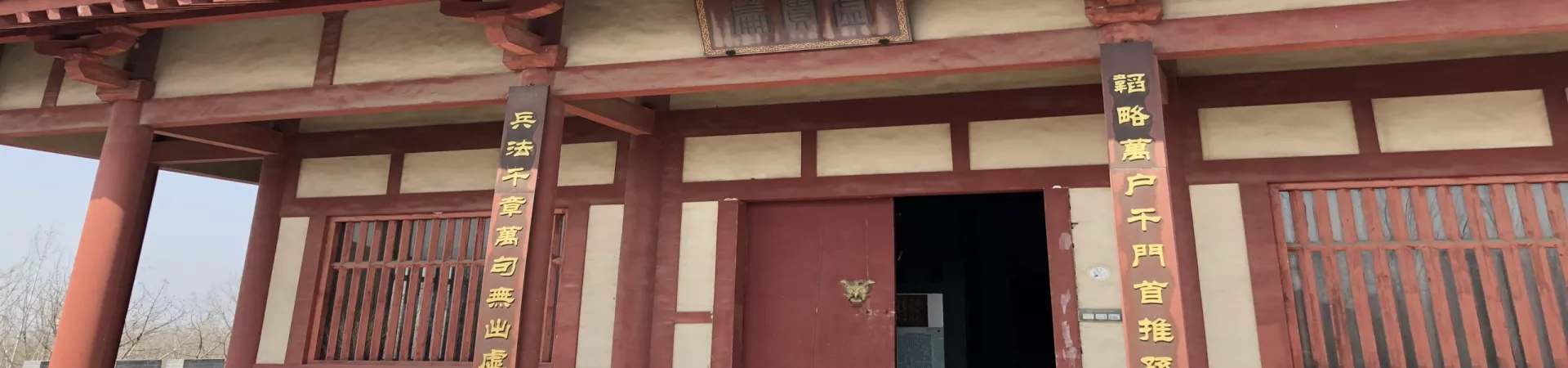
Subtitle: Exploring the Ancient Wisdom of War and Strategy in Binzhou
1. Introduction: The World's Premier Temple of Military Philosophy
Nestled in the northwestern corner of Huimin County, Shandong Province—the revered birthplace of the legendary strategist Sun Tzu—lies the Chinese Sun Tzu Art of War City. This is not merely a tourist attraction; it is a profound journey into the heart of ancient Chinese strategic thought. Constructed upon the historic foundations of a thousand-year-old Song Dynasty古城遗址 (Ancient City Ruins), this vast complex rightfully claims its title as "华夏兵学第一圣殿" (The First Sacred Hall of Chinese Military Science). With a total investment of 500 million RMB, the project masterfully integrates history, culture, and philosophy across a controlled area of 7,200 mu (approximately 1,185 acres), with building structures covering 1,100 mu. It stands as a monumental tribute to the enduring legacy of Sun Tzu's The Art of War, a text that has transcended its military origins to influence global business, law, and leadership.
2. Architectural Grandeur and Landscape Design
2.1. The Qin-Han Architectural Revival The architectural soul of the Sun Tzu Art of War City is its main structure, the武圣府 (Martial Sage Mansion). Designed in a majestic仿秦汉式建筑风格 (imitation Qin and Han Dynasty architectural style), the mansion evokes the power and solemnity of China's early empires. This choice is deeply symbolic, as it connects the Warring States period thinker, Sun Tzu, with the first unified empires that later applied his principles. The complex is a harmonious ensemble of towers, pavilions, terraces, and verandas, all constructed with a deliberate antiqued aesthetic that exudes a rich Han Dynasty韵味 (charm and resonance).
2.2. A Poetic Integration of Nature and Structure The design philosophy extends beyond buildings to create a serene and contemplative environment. The landscape is a classical Chinese garden brought to life, where man-made structures and natural beauty engage in a silent dialogue. Ancient wells and bubbling springs coexist with winding paths shaded by emerald bamboo groves. Time-honored cypress trees and weeping willows sway gracefully, their movements adding a layer of living poetry to the stone and wood architecture. This meticulous layout encourages visitors to wander, reflect, and perhaps understand the strategic importance Sun Tzu placed on understanding terrain and environment.
3. Visitor Experience and Practical Information
3.1. Navigating the Eight Thematic Scenic Areas The expansive grounds are thoughtfully divided into eight distinct scenic areas or景区. Each zone is dedicated to exploring different dimensions of Sun Tzu's philosophy, his life, and the broader context of Chinese military history. Visitors can expect immersive exhibitions, detailed dioramas, inscribed steles, and interactive displays that decode the famous thirteen chapters of The Art of War. From the fundamentals of strategic assessment to the nuances of terrain and espionage, the park offers a comprehensive, multi-sensory education in strategy.
3.2. Planning Your Visit: Hours and Admission To ensure a seamless experience, careful attention to operational details is recommended.
3.2.1. Seasonal Operating Hours The park operates on a dual schedule based on the season: * Peak Season (May 1st - October 31st): Open daily from 08:30 to 18:00. The final admission is at 17:30. * Off-Peak Season (November 1st - April 30th of the following year): Open daily from 08:30 to 17:30. The final admission is at 17:00.
3.2.2. Ticket Information Access to this unique cultural repository requires an admission ticket priced at 45 RMB. This fee grants entry to the extensive grounds, including the magnificent Martial Sage Mansion and the various thematic gardens and exhibition areas. It is advisable to check for any potential updates regarding ticket prices or special arrangements for groups before your visit.
4. Cultural Significance and Lasting Impact
A visit to the Chinese Sun Tzu Art of War City is more than a historical tour; it is an engagement with a living intellectual tradition. By walking through its ancient-style gates and tranquil gardens, one steps into a space where the past is palpably present. The site serves as a crucial cultural hub within the惠民县孙子文化区 (Huimin County Sun Tzu Cultural District), actively preserving and promoting the study of this global intellectual heritage. It challenges visitors to consider the universal principles of conflict, competition, and harmony—principles that remain as relevant in boardrooms and daily life today as they were on ancient battlefields. The city does not glorify war but rather invites contemplation on the art of achieving objectives with wisdom, foresight, and minimal conflict, which is the true, timeless essence of Sun Tzu's teachings.