The Summer Palace
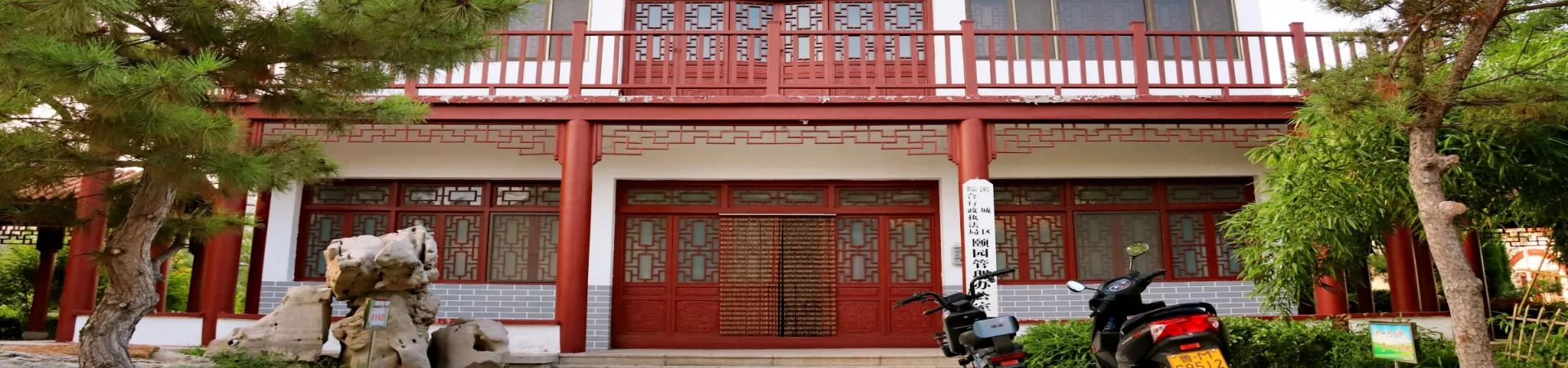
Subtitle: A Journey Through Time and Tranquility in Binzhou's Classical Garden
Introduction: The Soul of Binzhou
Nestled within the modern landscape of Binzhou City, Shandong Province, lies a sanctuary of classical elegance and historical depth—the Yi Garden (颐园). More than just a public park, Yi Garden is a living testament to the enduring allure of Chinese garden philosophy, a meticulously crafted landscape where nature, architecture, and poetry intertwine to create a space for contemplation, leisure, and cultural connection. For the discerning visitor, a trip to Yi Garden offers a serene escape from the urban rhythm and a profound immersion into an artistic tradition that seeks harmony between humanity and the natural world.
1. The Philosophical Heart of the Garden
1.1. Embracing the "Yi" (颐) Spirit The garden's name, "Yi" (颐), carries rich connotations. It can mean "to nourish," "to care for," or "to rest," perfectly encapsulating the garden's primary purpose. Following the principles of traditional Chinese garden design, Yi Garden is not meant for brisk walks but for slow, mindful wandering. Its layout encourages visitors to "nourish" their spirits by engaging with carefully composed vistas, finding "care" in the peaceful ambiance, and allowing the mind to "rest" amidst its beauty.
1.2. A Microcosm of the Natural World True to its classical roots, the garden embodies the concept of creating a microcosm. Within its boundaries, one experiences a symbolic representation of the vast natural universe. The arrangement of hills and rocks evokes distant mountains, the ponds and streams mirror lakes and rivers, and the winding pathways suggest life's meandering journey. This artistic compression of nature invites introspection and a sense of wonder.
2. Architectural and Landscape Highlights
2.1. The Art of Borrowed Scenery (借景) A masterful technique employed throughout Yi Garden is Jiejing, or "borrowed scenery." The garden's designers skillfully incorporated views from outside its walls—perhaps a distant tree, a glimpse of sky, or the silhouette of a neighboring structure—into the garden's own compositional frames. This technique blurs the boundary between the garden and its surroundings, creating an illusion of boundless space and deepening the connection with the wider environment.
2.2. Pavilions, Bridges, and Corridors No Chinese garden is complete without its architectural accents, and Yi Garden features a collection of elegant structures that serve both practical and aesthetic purposes.
- 2.2.1. Waterside Pavilions: These open-sided structures, often with poetic names inscribed on their beams, provide perfect vantage points over the garden's ponds. They are ideal for pausing to observe koi fish gliding through lily pads or to enjoy the reflection of willow trees in the water.
- 2.2.2. Arched Bridges: The graceful stone bridges arching over narrow waterways are more than crossings; they are focal points that frame views and add rhythmic beauty to the landscape. Crossing one feels like stepping into a classical painting.
- 2.2.3. Winding Covered Corridors: These corridors link various parts of the garden, offering sheltered passage rain or shine. Their walls often feature decorative lattice windows (漏窗) of different patterns, each framing a miniature "picture" of the garden beyond, turning a simple walk into a journey through a gallery of living art.
2.3. The Flora: A Symphony of Seasons The plant life in Yi Garden is meticulously curated for year-round interest and symbolic meaning.
- 2.3.1. Evergreens and Scholar's Trees: Pine and bamboo represent resilience and integrity, while flowering plum blossoms symbolize hope and perseverance.
- 2.3.2. Seasonal Displays: Lotus flowers in summer rise with pristine beauty from the mud, embodying purity. The fragrance of osmanthus in autumn perfumes the air, and the changing hues of maple leaves provide a fiery spectacle.
3. Practical Information for Your Visit
3.1. Opening Hours and Best Times to Visit To fully appreciate the tranquility of Yi Garden, planning your visit according to its schedule is crucial. The garden operates on the following schedule: * Monday to Friday: 06:00 - 15:00 * Saturday & Sunday: 07:00 - 15:00 This schedule is consistent throughout the year. The early opening on weekdays presents a wonderful opportunity to experience the garden in the soft morning light, often with fewer visitors. The gates close at 15:00 daily, so an early or midday visit is essential. Each season offers a unique charm: spring blossoms, summer's lush greenery, autumn's colors, and the stark, poetic beauty of winter.
3.2. Navigating the Garden Experience
- 3.2.1. Mindful Exploration: Embrace the slow pace. Sit in a pavilion, watch the water, and observe the details—the texture of a rock, the pattern on a tile, the calligraphy on a stele.
- 3.2.2. Cultural Etiquette: As a place of tranquility, maintaining a quiet demeanor respects both the space and other visitors. Refrain from loud noises, and help preserve the cleanliness of the environment.
- 3.2.3. Photography Tips: The interplay of light and shadow, especially in the early morning or on slightly overcast days, is magnificent. Focus on compositions that highlight contrast, reflections, and the framing created by architectural elements.
4. Yi Garden in the Context of Binzhou
While Binzhou is known for its dynamic growth and industrial prowess, Yi Garden stands as its cultural and spiritual counterpoint. It represents the city's deep-rooted connection to history and its dedication to preserving spaces for cultural reflection. A visit here complements a broader exploration of Binzhou, offering a balanced perspective of a city that looks firmly to the future while cherishing the artistic soul of its past. It is a place where the timeless principles of Chinese aesthetics continue to breathe and offer solace.