Fan Gong Temple
Subtitle: A Journey Through History, Culture, and Reverence in Binzhou
1. Introduction: The Legacy of a Renaissance Man Nestled within the modern city of Binzhou in Shandong Province, the Fan Gong Temple (Fàn Gōng Cí) stands as a serene and profound testament to one of China's most revered historical figures, Fan Zhongyan. More than just a temple, this site is a cultural sanctuary dedicated to the memory, philosophy, and enduring influence of a man who excelled as a scholar, poet, military strategist, and, most famously, a virtuous statesman during the Northern Song Dynasty. A visit here is not merely a tour of ancient architecture; it is an immersive experience into the ethos of Chinese literati culture, where political ideals, poetic beauty, and moral integrity converge. The temple complex, with its classical gardens, solemn halls, and historical relics, offers visitors a tangible connection to a pivotal era in Chinese history and the timeless values embodied by Fan Zhongyan.
2. Historical Context: The Man Behind the Temple 2.1 Fan Zhongyan: A Pillar of Song Dynasty Society To understand the significance of Fan Gong Temple, one must first appreciate the monumental life of Fan Zhongyan (989-1052 AD). Living during a period of both cultural flourishing and external threats, Fan distinguished himself through an unwavering commitment to public service and reform. He served as a high-ranking official, advocating for policies aimed at strengthening the bureaucracy, improving the livelihoods of common people, and bolstering national defense. His famous dictum, "Be the first to bear hardships, and the last to enjoy comforts" (先天下之忧而忧,后天下之乐而乐), extracted from his seminal essay "The Yueyang Tower," has resonated for nearly a millennium, encapsulating the Confucian ideal of selfless dedication to societal welfare. This phrase is not just a quote in China; it is a foundational principle taught in schools and invoked in leadership, making Fan a perennial symbol of noble character.
2.2 The Temple's Origins and Evolution The construction of Fan Gong Temple was driven by deep public admiration and official recognition. Initially established as a site for local scholars and officials to pay homage, the temple complex was expanded and renovated through various dynasties, particularly during the Ming and Qing periods. Each restoration project reflected the continuing high esteem in which Fan was held by subsequent generations. The temple served as an educational and ceremonial center, where imperial edicts were read, sacrifices were offered, and aspiring scholars came to seek inspiration. Its architecture and layout follow traditional Chinese temple design principles, emphasizing symmetry, harmony with nature, and a progression through spaces that guide visitors from the worldly entrance to the sacred main hall.
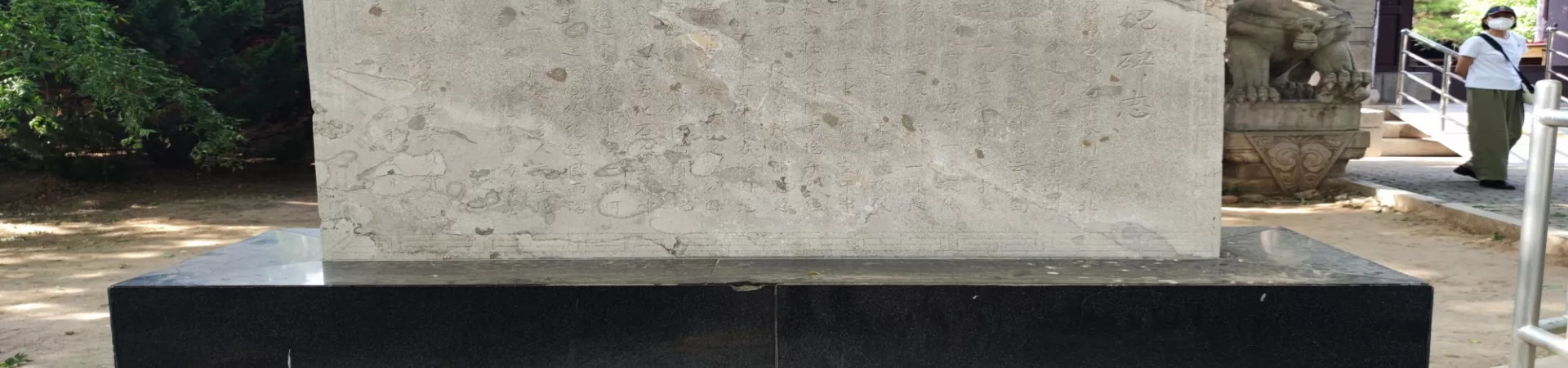
3. Exploring the Temple Complex: A Structural and Symbolic Walkthrough 3.1 The Entrance and Courtyards: Transition into Tranquility Passing through the imposing main gate, visitors leave the bustle of the city behind and enter a world of quiet contemplation. The front courtyards, often lined with ancient cypress and pine trees—symbols of longevity and resilience—set a solemn tone. Stone steles (inscribed tablets) dot the pathways, bearing inscriptions that record the temple's history, poems praising Fan's virtue, and imperial decrees. These steles are invaluable historical documents, their weathered surfaces telling silent stories of centuries of reverence.
3.2 The Main Hall: The Heart of Veneration The architectural and spiritual centerpiece of the complex is the Main Hall (Dàdiàn). Here, a dignified statue of Fan Zhongyan, often depicted in official robes, presides over the space. The atmosphere is one of profound respect. The hall's architecture features sweeping traditional roofs with intricate dougong bracketing systems, painted beams, and carved pillars. Inscriptions of Fan's most famous writings, especially excerpts from "The Yueyang Tower," adorn the interior walls. This hall is not for prayer in a religious sense, but for quiet reflection on the moral and intellectual legacy left behind.
3.3 Subsidiary Halls and Exhibitions Flanking the main hall or located in adjacent buildings are often subsidiary halls dedicated to related themes. 3.3.1 The Literary Hall: This space highlights Fan Zhongyan's literary achievements, displaying his poetry and prose. His works are celebrated not only for their philosophical depth but also for their contribution to the "Ancient Prose Movement," which advocated for clarity and purpose in writing. 3.3.2 The Military Strategy Hall: Acknowledging his crucial role in defending the Song empire's northwestern frontier, this section may feature maps, explanations of his defensive tactics, and artifacts related to his military career, presenting a holistic view of his capabilities beyond civil administration. 3.3.3 Cultural Relics Exhibition: Many temples house a collection of archaeological finds from the area, ancient calligraphy and painting reproductions, and ritual objects used in past ceremonies, providing broader context to the site's history.
3.4 The Classical Garden: Philosophy in Landscape Integral to the temple experience is its classical Chinese garden. Designed according to the principles of creating a microcosm of the natural world, the garden features artificial hills, ponds, winding pathways, pavilions, and a diverse array of plants. Each element is symbolic: rocks represent permanence and the mountains of immortality, water symbolizes vitality and change, and the careful arrangement encourages a meandering journey that reflects life's path. Pavilions offer spots for rest and contemplation, often named after Fan's verses. This garden is where Fan's poetic spirit feels most alive, inviting visitors to ponder the interplay between human virtue and the natural order.
4. Practical Information for Visitors 4.1 Location and Accessibility Fan Gong Temple is located in Binzhou City, Shandong Province. The city is well-connected by rail and road networks from major hubs like Jinan and Qingdao. Local public transportation, including buses and taxis, can easily bring visitors to the temple grounds.
4.2 Opening Hours and Best Times to Visit The temple is generally open to the public daily. A typical schedule is as follows: * Opening Hours: 07:00 - 18:00 (All day) * Last Admission Time: 18:00 * Note: This schedule applies throughout the year, from January 1st to December 31st, Monday through Sunday. It is advisable to confirm the latest hours before your visit, as they may be subject to change during national holidays or for special maintenance. The best times to visit are during spring (April-May) and autumn (September-October), when the weather in Shandong is mild and the temple's garden is at its most beautiful. Early mornings on weekdays offer the most peaceful atmosphere for reflection.
4.3 Cultural Etiquette and Visit Tips As a site of historical and cultural reverence, visitors are encouraged to observe a few guidelines: * Maintain a respectful and quiet demeanor within the halls, especially around the main statue. * Photography is usually permitted in courtyards and gardens, but flash photography may be prohibited inside exhibition halls. Always check for posted signs. * Take time to read the informational plaques and stele inscriptions, as they greatly enrich the understanding of the site. * Combining a visit to Fan Gong Temple with other local historical sites in Binzhou can provide a more comprehensive picture of the region's rich heritage.