Du Shoutian's Former Residence
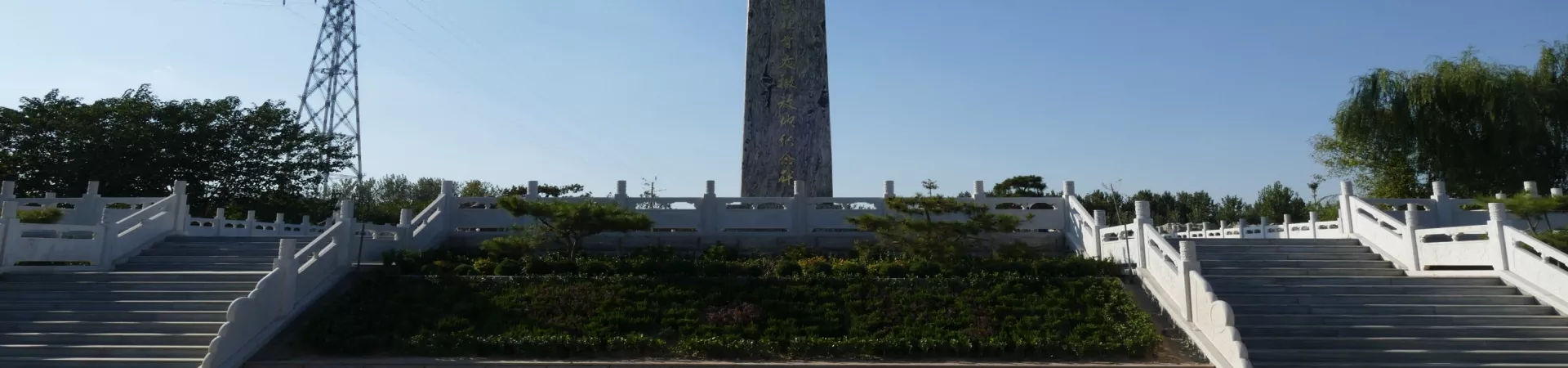
Subtitle: A Journey into the Legacy of a Qing Dynasty Statesman and His Family
1. Introduction: The Pillar of Binzhou Nestled in the heart of Binzhou City, Shandong Province, the Former Residence of Du Shoutian stands as a profound testament to scholarly virtue, political integrity, and familial devotion in late Imperial China. More than just a collection of ancient buildings, it is a portal to the 19th century, offering visitors a tangible connection to the life and times of one of the Qing Dynasty's most revered figures and the influential family that shaped him. Recognized as a National AAAA-Level Tourist Attraction, a Key Cultural Relics Protection Unit, and listed among the "100 Must-Visit Places in Shandong," this site serves multiple roles as a patriotic education base, a clean governance education base, and a youth education base. Its preservation allows modern audiences to reflect on enduring values of loyalty, learning, and ethical conduct.
2. Historical Significance and Architectural Layout
2.1. The Man: Du Shoutian and His Era Du Shoutian (1788-1852) was a paramount official during the Daoguang and Xianfeng reigns of the Qing Dynasty. He is best remembered as the chief tutor to the future Emperor Xianfeng, playing a pivotal role in the emperor's education and moral formation. Renowned for his unwavering integrity, profound knowledge, and selfless dedication to state affairs, Du epitomized the Confucian ideal of the scholar-official. His career, though situated in the turbulent final century of the dynasty, highlighted a commitment to principled governance. The residence is not solely his story; it is the story of the Du family, which produced numerous officials and scholars over generations, making it a remarkable example of a successful "Shu Xiang Men Di" (Scholarly and Official Family).
2.2. The Compound: A Reflection of Order and Harmony The residence complex, with its origins tracing back to the Wanli period of the Ming Dynasty and expanded significantly during the Qing, exemplifies traditional northern Chinese courtyard architecture. The layout follows a strict axial symmetry, emphasizing order and hierarchy, which mirrored the social and familial structures of the time.
- 2.2.1. Main Axis Structures: The central axis typically houses the most important ceremonial and living spaces. Visitors often progress through main gates, ceremonial halls, and ancestral worship spaces, each courtyard becoming progressively more private. The main hall, where important family ceremonies and receptions were held, is usually the architectural and spiritual centerpiece.
- 2.2.2. Living Quarters and Gardens: Flanking the central axis are side courtyards and wings that served as living quarters for family members, studies, and libraries. The Du family placed great emphasis on education, and the study rooms are particularly evocative spaces. While traditional Chinese residential architecture often integrates garden elements for contemplation, the design here prioritizes solemnity and functionality, reflecting the family's serious scholarly pursuits.
3. The Visitor Experience: Education and Immersion
3.1. Exploring the Exhibition Themes The residence has been meticulously curated to educate and inspire. The exhibitions go beyond biographical facts to explore broader historical themes.
- 3.1.1. The Path of a Statesman: This theme delves into Du Shoutian's official career, his role as an imperial tutor, and his policy advocacies. Artifacts, documents, and illustrative panels reveal the challenges of governance during the Qing's decline and highlight Du's celebrated moral stance.
- 3.1.2. Family Traditions and Scholarly Heritage: Exhibits showcase the Du family's emphasis on education, discipline, and ethical upbringing. Calligraphy works, scholarly implements, and family rules displayed here illustrate how generations of talent were nurtured, offering timeless insights into family values and pedagogy.
- 3.1.3. Lessons in Integrity and Patriotism: As a designated education base, part of the residence explicitly focuses on Du Shoutian's incorruptibility and loyalty. These sections draw historical parallels to modern concepts of clean governance and civic duty, making the visit relevant for student groups, government employees, and all citizens.
3.2. Practical Information for Planning Your Visit To ensure a smooth and enriching experience, please note the following practical details.
- 3.2.1. Location and Access: The residence is situated at South Street, Binbei Sub-district Office, Bincheng District, Binzhou City. It is easily accessible by local transportation within Binzhou.
- 3.2.2. Opening Hours and Admission:
- Ticket Price: Admission starts at 45 RMB.
- Operating Hours: The schedule varies seasonally. From December 1st to February 28th of the following year, the site is open from 08:00 to 17:00, with last entry at 16:30. During the summer period from June 1st to August 31st, hours extend from 08:00 to 18:00, with last entry at 17:30. It is advisable to allocate at least 1.5 to 2.5 hours for a comprehensive visit.
4. Cultural Context and Enduring Relevance A visit to the Du Shoutian Residence is most rewarding when placed within its wider cultural context. The site is a microcosm of the late imperial Chinese gentry's world—their aspirations, responsibilities, and worldview. The values championed here—respect for learning, commitment to public service, and personal integrity—were the bedrock of society for centuries. In today's rapidly modernizing China, such sites provide a crucial link to the philosophical and ethical foundations of the nation's history. They prompt reflection on the transmission of knowledge, the definition of good leadership, and the role of family in shaping character. Walking through its quiet courtyards, one does not merely see old furniture and walls; one senses the weight of history and the enduring echo of a family's dedication to cultivating virtue and talent for the service of their country. The residence, therefore, stands not as a relic of a bygone age, but as a continuing source of inspiration and a tangible chapter in the long narrative of Chinese civilization.