Zhijindong National Geopark Grand Canyon (Qijie River) Park
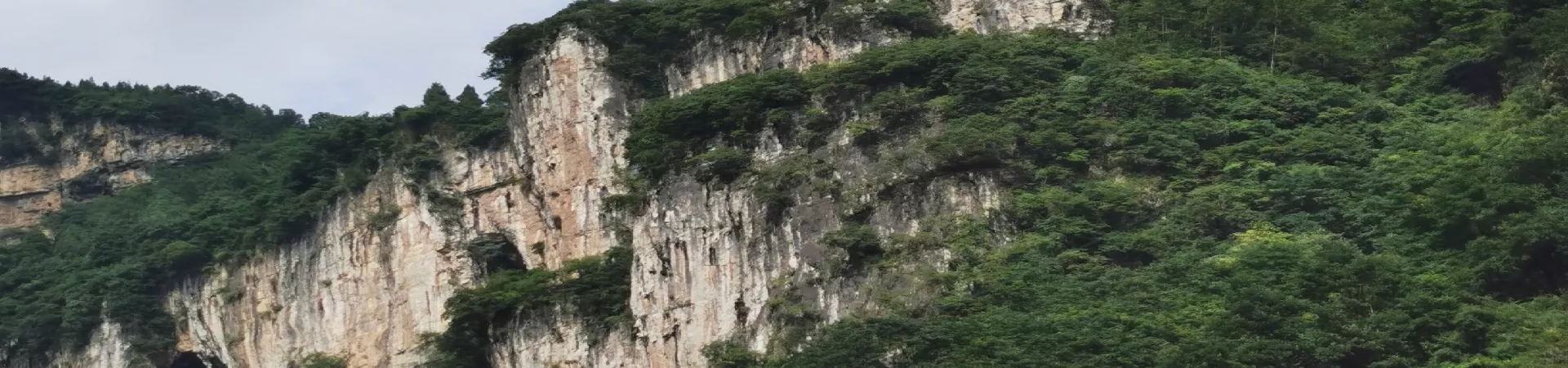
Subtitle: A Journey Through Time: Unveiling the Wonders of Zhijin Cave National Geopark Grand Canyon (Qijie River) Area
1. Introduction: The Hidden Gem of Guizhou
Nestled in the heart of Bijie City, Guizhou Province, lies a realm where Earth's geological poetry is written in stone and water—the Zhijin Cave National Geopark Grand Canyon, also known as the Qijie River Area. While the world-renowned Zhijin Cave (the "King of Caves") often steals the spotlight, the Grand Canyon area offers a breathtaking, complementary experience of raw, sculpted beauty above ground. This is not merely a scenic spot; it is an open-air museum of karst geology, a sanctuary of biodiversity, and a tranquil escape where visitors can witness the magnificent results of millions of years of erosion by the persistent Qijie River. It presents a dramatic landscape of sheer cliffs, deep gorges, lush vegetation, and winding waterways, forming a spectacular natural gallery that stands in majestic contrast to the subterranean splendors of the main cave.
2. Geological Marvel: A Landscape Sculpted Over Millennia
2.1. The Karst Masterpiece The Grand Canyon is a quintessential example of a karst landform. Over eons, slightly acidic rainwater and the flowing Qijie River have dissolved the soluble limestone bedrock, carving out this immense canyon system. The process, slow yet relentless, has resulted in a dramatic topography characterized by towering cliffs, rugged peaks, natural bridges, and intricate erosion patterns on rock faces.
2.2. Key Geological Features * The Grand Canyon Itself: Stretching for several kilometers, the canyon features vertical cliff walls that rise dramatically from the riverbed, creating a sense of awe and grandeur. The play of light and shadow on the rock faces throughout the day is a visual spectacle. * Natural Bridges and Arches: The erosive power of water has not only cut down but also through the rock, forming impressive natural bridges and rock arches that frame the sky and river below. * Stratigraphic Storybook: The exposed rock layers along the canyon walls serve as a visible timeline, telling the story of sedimentary deposition and tectonic shifts that occurred over hundreds of millions of years.
3. The Visitor Experience: Immersion in Natural Splendor
3.1. Navigating the Canyon Exploring the Qijie River Area typically involves a combination of walking and boat rides, allowing for diverse perspectives of the canyon's majesty. * Cliffside Walkways and Trails: Well-constructed and safe plank walkways and stone paths are attached to the canyon walls, allowing visitors to traverse the length of the gorge safely. These paths offer unparalleled, close-up views of the geological formations and provide numerous vantage points for photography. * The Qijie River Boat Tour: A tranquil boat journey along the Qijie River is the centerpiece of the experience. Gliding on the emerald-green water, visitors look up at the towering cliffs from below, experiencing the sheer scale of the canyon. The serene atmosphere, punctuated only by the sounds of water and wildlife, is profoundly peaceful.
3.2. Highlights and Scenic Vistas * Waterfalls and Springs: Seasonal waterfalls cascade down the canyon walls, especially after rains, adding dynamic beauty and sound to the landscape. Seeps and springs emerge from the rock, highlighting the active hydrological system. * Microclimates and Ecology: The depth of the canyon creates unique microclimates. The riverbanks and shaded cliffs are adorned with dense, subtropical vegetation, including ferns, mosses, and clinging vines, which contrast beautifully with the grey-white limestone. * A Photographer's Paradise: Every turn presents a new composition—the reflection of cliffs in the still river pools, the textures of the rock, the greenery against the stone, and the dramatic play of light.
4. Practical Information for Planning Your Visit
4.1. Accessibility and Location The Grand Canyon (Qijie River) Area is an integral part of the larger Zhijin Cave National Geopark, located in Zhijin County, Bijie City. It is generally accessed from the same main tourist center as the Zhijin Cave. The area is connected by road, and tourist facilities link the canyon and cave systems.
4.2. Suggested Itinerary A visit to the Grand Canyon can be seamlessly combined with a tour of the Zhijin Cave. A full day is recommended to appreciate both wonders without rush. A typical sequence might involve exploring the Grand Canyon in the morning light and the colossal cave in the afternoon, or vice-versa.
4.3. Tips for Visitors * Footwear and Clothing: Comfortable, non-slip walking shoes are essential for the cliffside paths. A light jacket or raincoat is advisable as the canyon can be cool and damp. * Best Time to Visit: The park is open year-round. Spring and autumn offer the most comfortable temperatures and lush greenery. The summer provides a cool retreat, and the water flow may be stronger. Winter is quieter, with a stark, elegant beauty. * Photography: Bring a camera with a good wide-angle lens to capture the vastness of the scenes. A polarizing filter can help manage reflections on the water. * Conservation: As a protected national geopark, visitors are urged to stay on designated paths, refrain from touching delicate formations, and take all litter out of the canyon to preserve its pristine condition.
For inquiries or assistance, please contact the park at: 0857-7827788.