Zhijin Ancient City Pedestrian Street
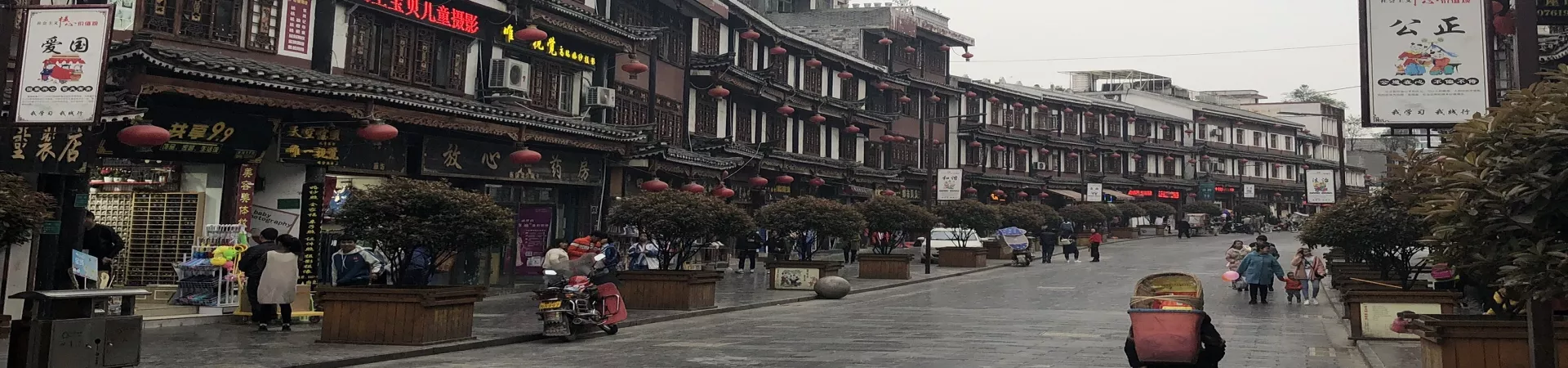
Subtitle: A Journey Through Time in the Heart of Guizhou
1. Introduction to Zhijin Ancient City Walking Street
Nestled within the stunning karst landscape of Bijie City, in China's southwestern Guizhou Province, lies a destination that offers a captivating blend of historical ambiance, cultural immersion, and leisurely charm: the Zhijin Ancient City Walking Street. More than just a thoroughfare, this meticulously preserved and revitalized area serves as the living, breathing heart of the ancient town of Zhijin. It is a portal where visitors can step away from the rapid pace of modern life and wander through centuries of history, experiencing the architectural elegance, local customs, and artisanal spirit that define this unique corner of China. The street is not merely a tourist attraction but a vibrant community space where history is woven into the fabric of daily life, offering an authentic and enriching experience for every traveler.
2. Exploring the Historical and Architectural Tapestry
2.1. A Legacy in Stone and Wood The most immediate allure of the Zhijin Ancient City Walking Street is its architectural harmony. The street showcases the distinctive style of Ming and Qing dynasty architecture, characteristic of many ancient towns in southern China. Visitors are greeted by a continuous line of well-preserved buildings featuring horse-head walls (fire gables), elegantly upturned eaves, intricately carved wooden windows, and weathered grey brick and tile work. These structures, which house shops, teahouses, and residences, tell a silent story of the town's prosperous past, likely connected to trade and local commerce. The careful restoration efforts ensure that while modern amenities are present, they are seamlessly integrated, preserving the street's historical integrity and photogenic quality.
2.2. Cultural Crossroads and Local Life As you stroll along the smooth, flagstone-paved path, the street reveals itself as a cultural crossroads. It is a place where the past dialogues with the present. You might observe elderly residents chatting on doorsteps, their daily routines adding a layer of authenticity to the scenic backdrop. The street often serves as a venue for local cultural expressions. Depending on the time of visit, one might encounter traditional performances, folk art demonstrations, or seasonal festivals that bring the history of the Bouyei, Miao, and Yi ethnic groups—integral to the region's demographic tapestry—to vivid life. This constant hum of activity transforms the street from a static museum into a dynamic cultural stage.
3. The Visitor Experience: Senses and Discoveries
3.1. A Culinary and Artisanal Journey A significant part of the walking street's appeal lies in its engagement of the senses, particularly taste and sight. The street is a haven for food enthusiasts and souvenir hunters alike.
- Local Gastronomy: Numerous small eateries and food stalls line the street, offering an opportunity to sample authentic Guizhou cuisine. Be prepared for bold flavors, including the famous spicy and sour notes of the region. Local specialties might include Zhijin Xianhuo (a type of cured meat), Suantang Yu (sour soup fish), various rice noodle dishes, and sweet snacks like Ciba (glutinous rice cake). The aroma of local delicacies is an integral part of the atmospheric experience.
- Handicrafts and Souvenirs: The shops are treasure troves of local craftsmanship. Visitors can browse and purchase handmade items such as batik textiles (a specialty of the Miao people), silver jewelry, traditional embroidery, locally produced lacquerware, and other folk arts. These items offer a tangible connection to the region's artistic heritage and make for meaningful souvenirs.
3.2. Photography and Leisurely Strolls With its picturesque lanes, ancient archways, red lanterns, and reflections in occasional water features, the walking street is a photographer's paradise. Every corner offers a composition-worthy scene, especially in the soft light of early morning or during the golden hour before dusk. The primary activity here is simply to wander—to lose oneself in the narrow alleys branching off the main street, discover quiet courtyards, and observe the unhurried rhythm of local life. It is an ideal place for contemplative exploration and capturing the essence of an ancient Chinese town.
4. Practical Information for Your Visit
4.1. Admission and Fees Based on available information, access to the Zhijin Ancient City Walking Street itself is typically free of charge. Visitors can enter the pedestrianized area and explore the street, its architecture, and many of its public spaces without purchasing a ticket. However, it is crucial to note that there might be specific historical buildings, museums, or cultural exhibitions within or adjacent to the ancient town area that may charge a separate admission fee. For the most accurate and up-to-date information regarding any potential fees for specific attractions, it is highly recommended to consult directly with the local tourist information center or the official management office of the Zhijin Ancient Town scenic area upon arrival.
4.2. Opening Hours The walking street, as an open public pedestrian zone, is accessible 24 hours a day, every day of the week, throughout the year. This round-the-clock access allows for great flexibility in planning your visit. You can experience its vibrant atmosphere during the daytime when shops are open and bustling, or enjoy its serene and mysteriously beautiful ambiance in the evening when the buildings are softly illuminated by traditional-style lanterns. The all-day opening schedule applies from January 1st to December 31st, Monday through Sunday.
4.3. Planning Your Trip To make the most of your visit, consider arriving either in the morning to avoid larger crowds and see the street come to life, or in the late afternoon to enjoy both daylight and the enchanting evening atmosphere. The walking street is often a central component of a broader visit to the Zhijin area, which is renowned for the magnificent Zhijin Cave (Zhijin Dong), one of the largest and most spectacular karst cave systems in China. Combining a visit to the natural wonder of the caves with the cultural and historical exploration of the ancient city walking street provides a comprehensive and unforgettable experience of Zhijin's dual heritage. Comfortable walking shoes are essential, and as with any travel in China, carrying some cash (RMB) is advisable for small purchases at local market stalls, although digital payments are widely accepted in most established shops.