Luxury Fragrant Ancient Town
Subtitle: A Journey into the Heart of Yi Culture and Ancient Architecture
1. Introduction to Shexiang Ancient Town Nestled in the heart of Bijie City, Guizhou Province, Shexiang Ancient Town stands as a magnificent tribute to the rich cultural heritage of the Yi ethnic minority and a testament to exquisite architectural preservation. Far from being a mere historical relic, the town is a vibrant, living community where ancient traditions seamlessly intertwine with modern cultural tourism. It was meticulously constructed to honor the legacy of Shexiang, a revered female chieftain of the Yi people during the Ming Dynasty, known for her wisdom, leadership in fostering unity, and promoting economic and cultural exchanges between the Yi and Han Chinese. A visit to Shexiang Ancient Town is not just a step back in time; it is an immersive experience into the soul of the Yi nation, offering breathtaking landscapes, profound cultural insights, and architectural wonders.
2. Architectural Splendor and Town Layout The town's design is its first and most striking marvel, captivating visitors from the moment they arrive.
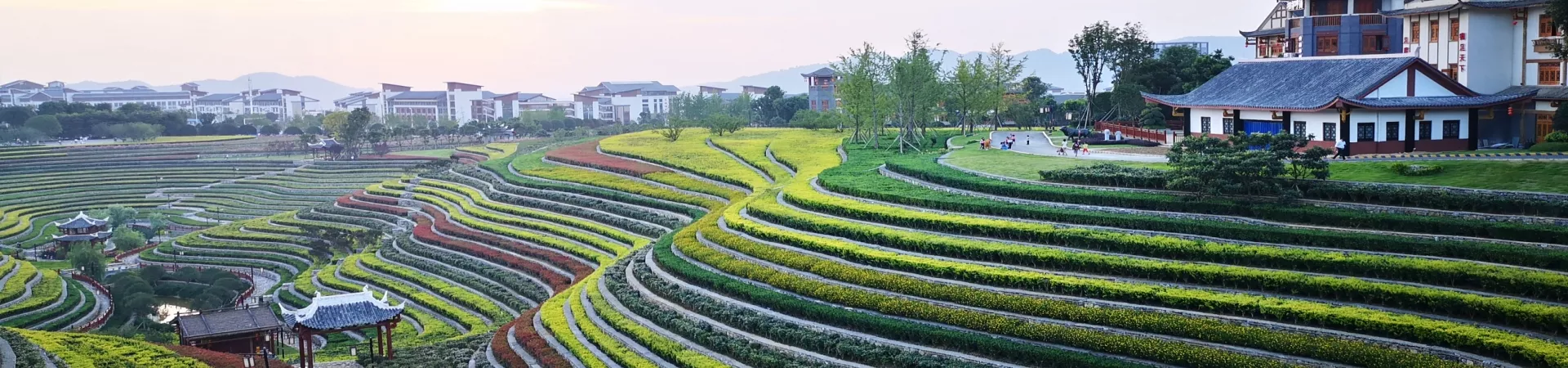
2.1. The Aerial Masterpiece: The "Linglong" Heart Perhaps the most iconic and photographed feature of Shexiang Ancient Town is its breathtaking layout as seen from above. The entire complex is ingeniously designed to resemble a giant, intricate Linglong—a traditional Chinese ornamental object, often a carved puzzle ball, symbolizing ingenuity and beauty. This unique aerial perspective, best appreciated from the surrounding hills or observation points, showcases a harmonious blend of Yi architectural motifs and Han Chinese garden landscaping principles. The concentric circles, radiating pathways, and interlocking structures create a visual metaphor for the unity and complex social fabric of the Yi culture.
2.2. Streetscapes and Building Design Wandering through the town's cobblestone streets, visitors are enveloped in an atmosphere of ancient charm. The architecture predominantly features the distinct style of the Yi people, characterized by robust wooden structures, elegantly upturned eaves, and grey-tiled roofs. Elaborate carvings depicting local myths, totems like the tiger (a sacred animal in Yi culture), and natural elements adorn beams, window frames, and doorways. The buildings are arranged in a harmonious yet organic manner, following the natural contours of the land. Plazas and open squares serve as communal hubs, while narrow, winding alleys invite exploration, each turn revealing quaint shops, quiet courtyards, or stunning vistas.
3. The Cultural Heartbeat of the Yi People Shexiang Ancient Town is a dynamic cultural center where the traditions of the Yi people are proudly kept alive and shared with the world.
3.1. The Legacy of Chieftain Shexiang Central to the town's identity is the spirit of its namesake. Exhibits and cultural performances throughout the town narrate the story of Chieftain Shexiang, highlighting her role as a diplomat, administrator, and cultural patron. Her legacy is a constant reminder of the historical significance of this region and the powerful role women have played in its development. Museums and cultural halls within the town often dedicate sections to her life and achievements, providing historical context to the surrounding beauty.
3.2. Festivals, Music, and Craftsmanship The true vibrancy of the town erupts during traditional Yi festivals, such as the Torch Festival. During these times, the air fills with the sounds of ancient musical instruments like the Kouxian (a mouth harp) and Bawu (a reed instrument), and the streets become a stage for spirited dances and colorful parades. Visitors have the unique opportunity to witness or even participate in these celebrations. Furthermore, the town is an excellent place to appreciate Yi craftsmanship. Artisans can be seen practicing and selling intricate silver jewelry, vibrant embroidery featuring symbolic patterns, and hand-woven textiles, each piece telling a story of identity and heritage.
4. Practical Information for Visitors To ensure a smooth and enriching visit to Shexiang Ancient Town, please note the following essential details.
4.1. Admission and Operating Hours One of the most appealing aspects of Shexiang Ancient Town is its accessibility. Admission to the town is completely free of charge, allowing everyone to experience its cultural and architectural riches without barrier. The town is open to visitors daily throughout the year. The official operating hours are from 8:30 AM to 5:30 PM, Monday through Sunday. It is advisable to allocate at least half a day to fully explore the lanes, visit key buildings, and enjoy the atmosphere at a leisurely pace.
4.2. Location and Accessibility Shexiang Ancient Town is located in Dafang County, under the administration of Bijie City. Bijie itself is well-connected by air, rail, and highway. The town is approximately a 1 to 1.5-hour drive from Bijie Feixiong Airport. Tourist buses and private taxis regularly make the journey from Bijie's city center and major transport hubs to the ancient town. Its location in the picturesque Guizhou highlands also makes it a perfect stop on a broader itinerary exploring the natural wonders of the region, such as the Zhijin Cave or the Baili Azalea Forest.
4.3. Contact Information For any specific inquiries regarding your visit, such as confirming special event schedules or accessibility services, you can contact the town's management office. The relevant telephone number is 0857-5223358. While staff may primarily speak Chinese, they are accustomed to assisting tourists and will endeavor to help.
4.4. Visitor Tips and Recommendations To make the most of your visit, consider these suggestions. Wear comfortable walking shoes, as the town involves exploring on foot, often on uneven stone paths. The weather in Bijie can be cool and misty, so carrying a light jacket or rain layer is prudent. Mornings and weekdays tend to be less crowded, offering a more tranquil experience. Do not miss the chance to sample authentic Yi cuisine at local restaurants within the town, featuring flavorsome dishes like Tuo-tuo meat and buckwheat cakes. Finally, remember to be respectful when photographing local residents or during cultural ceremonies, always asking for permission when appropriate.