Baili Rhododendron Camp
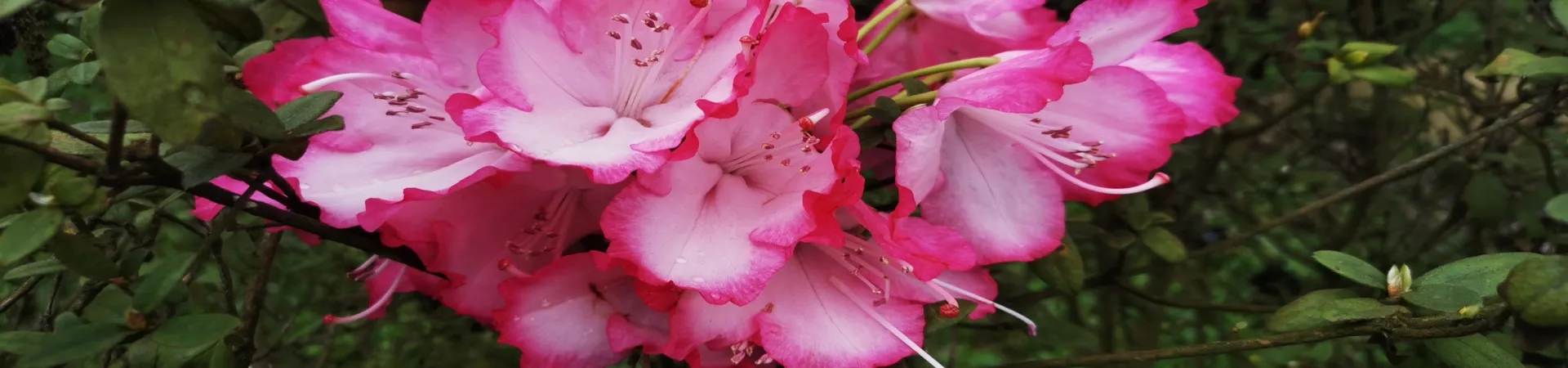
Subtitle: A Guide to Camping Under a Canopy of Blooms in the World's Largest Natural杜鹃花 Forest
Introduction: Where Flowers Meet the Sky
Nestled in the heart of the Bijie City, Guizhou Province, lies a natural spectacle unlike any other—the Hundred Miles Azalea Scenic Area (Baili杜鹃花风景区). This vast expanse, often hailed as the world's largest natural azalea forest, transforms each spring into a breathtaking sea of color, with mountains and valleys awash in vibrant purples, pinks, and whites. While day trips offer a glimpse of this beauty, the true magic unfolds for those who stay. The designated camping areas within the scenic zone provide a unique opportunity to transcend the typical tourist experience. Here, you don't just visit the azaleas; you live amidst them, waking to the gentle mist weaving through blossoms and falling asleep under a star-dusted sky, perfumed by nature's grandest floral display. This guide details the essentials for planning your immersive camping adventure in this botanical wonderland.
1. The Allure of the Landscape: Your Campsite Backdrop
1.1. A Tapestry of Floral Kingdoms The core appeal of camping here is the direct, uninterrupted connection with the azalea ecosystem. The scenic area is divided into several distinct sections, such as the dense, forest-like Pudi (普底) area and the more sprawling, plateau-like Jinhua (金坡) area. Each offers a slightly different camping vista. You might choose a site overlooking rolling hills dotted with ancient, gnarled azalea trees or one nestled in a valley where the blooms create a natural, colorful canopy. Beyond the famous Rhododendron simsii, the area is a biodiversity hotspot, with various other azalea species blooming in succession, alongside lush ferns, pines, and clear, babbling streams that provide the soundtrack to your stay.
1.2. Beyond the Blooms: Geological and Cultural Layers The landscape is not defined by flowers alone. The region's karst geology adds dramatic texture with limestone formations, hidden caves, and scenic overlooks like the Ten-Mile Gallery. The area is also rich in the cultural heritage of the Yi and Miao ethnic minorities. From your campsite, you might hear distant folk songs or catch glimpses of traditional embroidery. This blend of natural grandeur and living culture adds profound depth to the simple act of spending a night outdoors.
2. Planning Your Camping Expedition: Logistics and Essentials
2.1. Timing is Everything: The Bloom Cycle The success of your trip hinges on timing. The general peak blooming period spans from mid-March to late April, with variations each year depending on weather. The "Azalea Flower Festival" typically opens during this window. For campers, aiming for the core weeks of April often provides the best balance of full bloom and stable weather. However, be prepared for high visitor numbers on weekends. For a more solitary experience, consider weekdays. Early mornings and late afternoons, when day-trippers have left, are when the campsite and trails truly feel like your private garden.
2.2. Campsite Options and Regulations The scenic area manages specific zones for camping. These are not wild campsites but designated areas with basic oversight to protect the fragile environment.
- Official Designated Areas: These are pre-defined spots, often on wooden platforms or leveled clearings, to minimize ecological impact. Facilities are basic, typically including shared pit toilets and waste collection points. A nominal management fee is usually required.
- The Rule of "Leave No Trace": This is the paramount law. All waste, without exception, must be carried out. The use of soaps or detergents in streams is prohibited. Open fires are strictly forbidden due to extreme fire risk in the forest; cooking must rely on portable camp stoves.
- Registration and Safety: It is advisable to inform the scenic area management office of your camping plans. Always check the latest weather forecast before heading out, as mountain conditions can change rapidly, bringing fog, rain, or sudden temperature drops.
3. The Practicalities: What to Bring and How to Prepare
3.1. Gear Checklist for Comfort and Safety Packing correctly is crucial for an enjoyable experience in this semi-wild environment.
- Shelter and Sleep System: A high-quality, weatherproof tent with a robust rainfly is non-negotiable. Nights can be chilly and damp, so an insulating sleeping pad and a sleeping bag rated for 0-5°C (32-41°F) are essential.
- Apparel: Pack layers. Include moisture-wicking base layers, a warm fleece or down jacket, and a waterproof and windproof outer shell. Sturdy, broken-in hiking boots are a must for the terrain.
- Sustenance and Hydration: As there are no cooking services at campsites, bring all food and a reliable camp stove. Plan easy-to-cook meals. Most importantly, carry sufficient drinking water or a water filtration system, as natural water sources must be treated before consumption.
- Other Essentials: A headlamp, power bank, basic first-aid kit, biodegradable wet wipes, sunscreen, insect repellent, and a detailed map of the scenic area.
3.2. Navigating and Etiquette The trail network is extensive. While main paths are clear, having a map or GPS device helps in exploring secondary trails responsibly. Maintain a respectful distance from wildlife and never pick the flowers or damage plants. Keep noise levels low to preserve the tranquility for all visitors and the natural habitat.
4. The Unforgettable Moments: A Camper's Daily Rhythm
4.1. Dawn to Dusk in a Floral World Your day begins not with an alarm, but with the first light filtering through pastel-colored petals and the chorus of birds. The morning mist hanging over the blooms is a photographer's dream. After a warm breakfast, you can embark on hikes directly from your tent door, exploring trails like the Colorful Road that weave through the heart of the forests. The afternoon might be spent reading in a sunny, flower-framed clearing or simply contemplating the view. As dusk falls and the day visitors depart, a profound silence settles, broken only by nature's sounds. This is the golden hour for campers, followed by a night sky of incredible clarity, far from city lights.
4.2. A Sensory Journey Camping here engages all senses: the visual feast of endless blooms, the delicate floral scent carried on the breeze, the taste of clean mountain air, the touch of cool mist, and the sound of rustling leaves and trickling water. It’s an immersive reset, offering a profound sense of peace and a unique perspective on one of China's most magnificent natural treasures. By choosing to camp, you become a temporary resident of this floral kingdom, gaining memories that extend far beyond a photograph.