Baihua Ping
Subtitle: A Floral Paradise in the Heart of Guizhou: Discovering Baihuaping, Bijie
Introduction: The Sea of Flowers on the Roof of Guizhou
Nestled within the city of Bijie, in China's southwestern Guizhou Province, lies Baihuaping—a name that translates poetically to "Hundred Flowers Flat." This destination is far more than a simple park or garden; it is a vast, high-altitude alpine floral ecosystem and a flagship scenic area of the nearby renowned Jiu Cai Ping (Nine Vegetable Flat) Grasslands. Situated at an average elevation of over 2,200 meters, Baihuaping offers visitors a breathtaking escape into a world where rolling hills and expansive meadows transform into a vibrant, living tapestry of color for much of the year. The experience here is one of profound natural beauty, cultural richness, and serene tranquility, providing a stark and welcome contrast to the bustling urban centers of China.
1. The Ever-Changing Floral Spectacle
1.1. A Seasonal Symphony of Blooms The core identity of Baihuaping is defined by its flowers. The landscape undergoes a dramatic and beautiful metamorphosis with each passing season, ensuring that no two visits are ever the same.
- Spring's Delicate Awakening: As winter's grip loosens in March and April, the meadows awaken with a soft carpet of wild azaleas. These early blooms, in shades of pale pink and white, signal the beginning of the floral year.
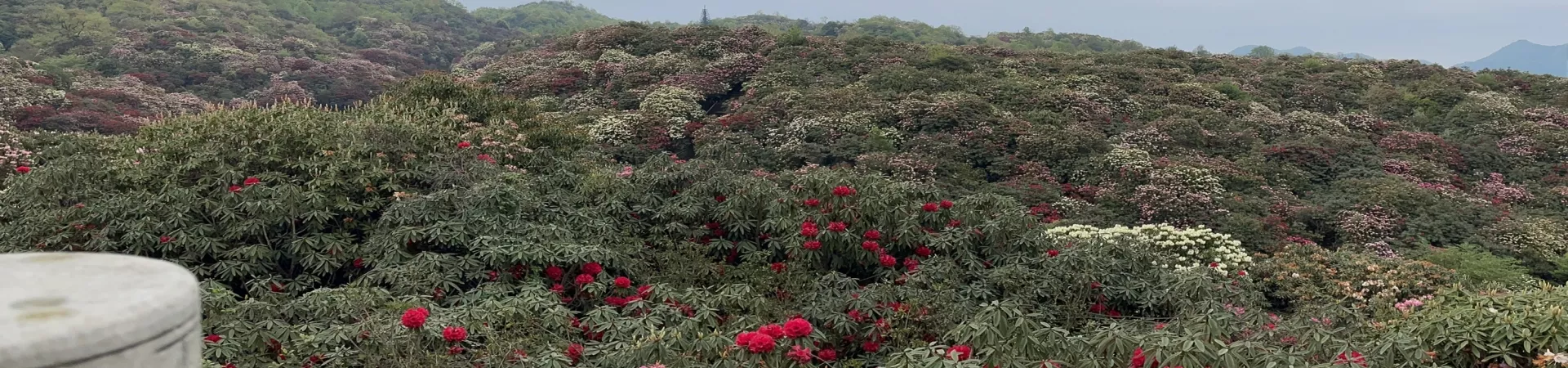
- The Summer Extravaganza: From May through August, Baihuaping reaches its crescendo. This is the period when the "Hundred Flowers" truly live up to their name. Vast swathes of the grassland are dominated by native azaleas (Rhododendron) in spectacular profusion. These are not small garden shrubs, but robust, wild bushes that blanket entire hillsides in intense magentas, deep purples, and brilliant reds. Interspersed among them are countless other wildflowers: golden potentillas, blue gentians, white anemones, and various medicinal herbs, creating a mesmerizing patchwork that stretches to the horizon.
- Autumn Hues and Grasses: After the summer riot, autumn (September to October) paints the landscape with a more subdued but equally elegant palette. The grasses turn to golden and amber waves, while late-blooming flowers add final spots of color. The clear, crisp air offers stunning panoramic views.
- Winter's Serene Beauty: In winter, the scene transforms into a minimalist masterpiece. When snow falls, the undulating grasslands become a pristine white canvas, dotted with frost-covered, sculptural shrubs—a paradise for photography and those seeking peaceful solitude.
1.2. Beyond Flowers: The Alpine Ecosystem Baihuaping's appeal is rooted in its intact alpine meadow ecosystem. The air is famously fresh and cool, a natural respite from summer heat. The vast, open skies, often dotted with dramatic cloud formations, create a sense of boundless freedom. This environment supports not only flora but also a variety of birdlife and insects, adding to the sense of being in a vibrant, natural world.
2. Immersive Experiences and Cultural Encounters
2.1. Activities for Every Traveler A visit to Baihuaping is an immersive, multi-sensory experience. Well-maintained wooden boardwalks and walking trails snake through the floral fields, allowing for intimate exploration without damaging the fragile environment. These paths lead to designated viewing platforms and pavilions strategically placed on hilltops, offering visitors commanding 360-degree vistas of the floral sea against a backdrop of distant, mist-shrouded mountains.
For many, the simple acts of picnicking on a flower-lined meadow, photographing the breathtaking landscapes (with early morning and late afternoon light being particularly magical), or just meditating in the serene openness are the highlights. The scale and beauty of the scenery make it a premier destination for landscape and nature photographers.
2.2. The Local Miao and Yi Heritage The region surrounding Baihuaping is home to vibrant communities of Miao and Yi ethnic minorities. Their cultural presence adds a rich, human dimension to the natural wonder. Visitors may be fortunate to encounter locals in traditional, intricately embroidered attire or hear the faint sounds of folk songs. While not a staged performance, this authentic cultural backdrop is integral to the area's identity. Nearby villages sometimes host festivals or markets, offering glimpses into unique customs, handicrafts, and local cuisine.
3. Practical Information for Visitors
3.1. Optimal Timing and Preparation The best time to visit is unequivocally from late May to mid-July, when the azaleas and other flowers are at their peak. However, each season has its staunch admirers. Given the high altitude, weather can change rapidly. It is essential to pack layered clothing, including a warm jacket even in summer, as temperatures are significantly cooler than in lowland areas. Sturdy walking shoes, sun protection (hat, sunscreen), and rain gear are highly recommended.
3.2. Accessibility and Accommodation Baihuaping is located approximately a 1.5 to 2-hour drive from downtown Bijie. The most convenient way to visit is by private vehicle or hired taxi, which provides flexibility to explore the extensive area at one's own pace. Bijie City itself is accessible via its own airport (Bijie Feixiong Airport) and high-speed rail connections from Guiyang, the provincial capital.
For accommodation, most visitors choose to stay in Bijie city, which offers a wide range of hotels and guesthouses. For a more immersive experience, some rustic guesthouses and homestays can be found in towns closer to the scenic area, allowing for an early morning visit to beat the crowds and witness the sunrise over the flowers.
4. Conservation and Sustainable Tourism As a precious and fragile alpine ecosystem, Baihuaping's future depends on responsible tourism. Visitors are urged to stay on designated paths, refrain from picking any flowers or plants, and carry out all trash. This collective respect ensures that the "Sea of Flowers" remains vibrant and intact for generations to come, preserving both its ecological value and its power to inspire awe in all who walk through its blooming fields.