Xiaolan Gou
Subtitle: A Journey into the Heart of Sichuan's Hidden Botanical Treasure
1. Introduction to Xiaolangou Nestled deep within the lush, undulating mountains of Bazhong City in Sichuan Province, China, lies Xiaolangou—a name that whispers of serenity and undiscovered natural wonders. Far from the well-trodden tourist circuits, this valley is not merely a scenic spot; it is a living, breathing museum of biodiversity and a sanctuary of profound tranquility. Often overshadowed by Sichuan's more famous landmarks, Xiaolangou offers a different promise: an immersive experience into an ancient ecological realm where primeval forests tell timeless stories, rare flora creates a vibrant tapestry, and the very air carries the crisp, clean fragrance of wilderness. It is a destination for the contemplative traveler, the nature enthusiast, and anyone seeking to reconnect with the earth's unspoiled beauty.
2. The Ecological Splendor: A Biodiversity Hotspot 2.1. A Kingdom of Ancient Trees and Rare Plants Xiaolangou's primary claim to fame is its extraordinary botanical wealth. The valley is a nationally recognized nature reserve, meticulously protected for its collection of rare and ancient plant species. Walking its paths is like stepping back in geological time. The forest canopy is dominated by towering, centuries-old trees, their gnarled roots and thick moss-covered bark speaking of resilience and longevity. Among them, the most celebrated residents are the rare dove trees (Davidia involucrata), also known as ghost trees. In late spring, they bloom with stunning, pure white bracts that flutter like doves' wings or handkerchiefs in the breeze—a breathtaking spectacle unique to this region of China.
2.2. A Lush Tapestry of Biodiversity Beyond the dove trees, the valley is a botanist's paradise. The undergrowth is a dense, green carpet of ferns, shrubs, and medicinal herbs, many endemic to the area. The diverse microclimates within the gorge, created by varying elevations and water sources, support an astonishing variety of plant communities. From vibrant rhododendrons coloring the slopes in season to delicate orchids hidden in shaded nooks, every glance reveals a new detail in this complex ecological mosaic. This rich flora, in turn, supports a diverse, though often elusive, fauna, making the ecosystem a beautifully balanced and interdependent whole.
3. The Sensory Experience: Landscapes and Ambiance 3.1. The Symphony of Water and Stone The landscape of Xiaolangou is sculpted by water. A clear, winding stream meanders through the heart of the valley, its gentle murmur providing a constant soundtrack to your visit. This stream gathers into serene pools reflecting the dense foliage above and cascades over rocks in small, sparkling waterfalls. The interplay of water and light creates a dynamic visual poetry, with sunbeams filtering through the leaves to dance on the rippling surface. The air is perpetually cooled and freshened by this moisture, carrying the rich, earthy scent of damp soil, decaying leaves, and wildflowers.
3.2. Trails of Tranquility and Discovery Exploring Xiaolangou is a gentle, restorative activity. Well-maintained but rustic walking trails and wooden boardwalks snake along the stream and up the forested slopes. These paths are designed for immersion, not endurance, allowing visitors to amble at their own pace. The dense canopy provides ample shade, making walks comfortable even on warmer days. The ambiance is one of deep peace, broken only by the chorus of birdsong, the rustle of small animals in the underbrush, and the constant, soothing flow of water. It is an environment that naturally lowers voices and invites mindfulness, where the goal is not to reach a destination but to be fully present in the journey.
4. Practical Guide for the Visit 4.1. Location and Access Xiaolangou is situated within the administrative region of Bazhong City, in the northeastern part of Sichuan Province. The journey to the valley itself is part of the adventure. Visitors typically travel to Bazhong city first, which is accessible by rail or long-distance bus from major hubs like Chengdu or Chongqing. From Bazhong, a road trip of approximately 60-90 minutes through increasingly rural and mountainous scenery leads to the reserve entrance. The final approach offers tantalizing previews of the verdant landscapes to come.
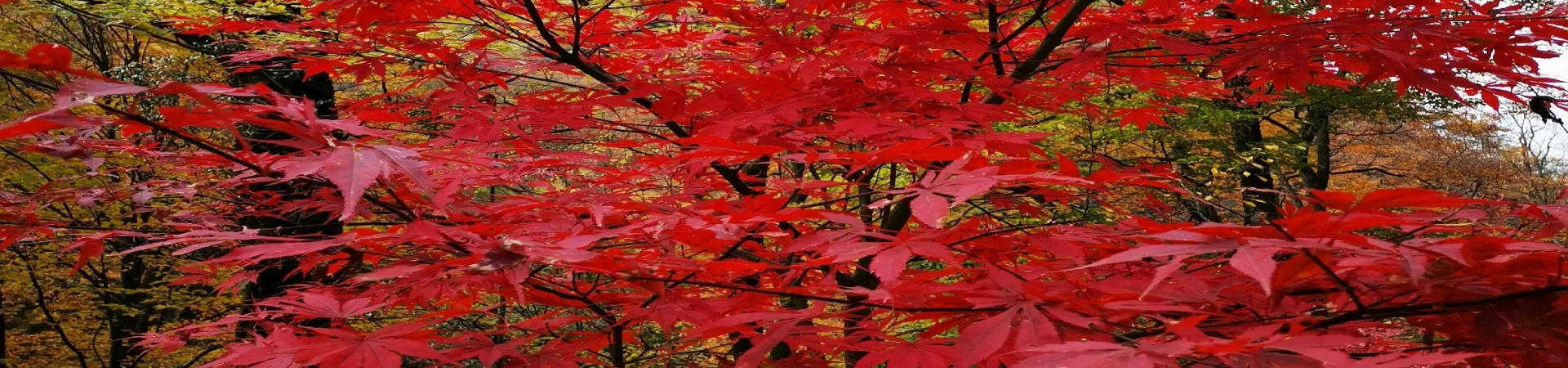
4.2. Best Time to Visit and Essentials The valley unveils different charms across the seasons. Spring (April to June) is arguably the most spectacular time, as the dove trees and rhododendrons burst into bloom, painting the green canvas with splashes of white and pink. Summer offers a cool, emerald-green retreat from the lowland heat. Autumn transforms the forest into a fiery palette of gold, red, and amber, while Winter presents a quieter, starkly beautiful landscape, sometimes dusted with frost. Given the reserve's focus on conservation, facilities are minimal and thoughtfully integrated. Visitors should come prepared with comfortable walking shoes with good grip, rain gear (as mountain weather is changeable), water, and snacks. As always in natural reserves, a strict "leave no trace" ethic is imperative to protect this fragile environment.
4.3. Cultural and Conservation Context A visit to Xiaolangou is more than a scenic outing; it is an engagement with a vital conservation effort. The area's status as a protected nature reserve highlights China's commitment to preserving its unique biological heritage. The minimalistic infrastructure ensures that human impact is kept to an absolute minimum, allowing ecological processes to continue undisturbed. For the visitor, this translates into an authentic, back-to-nature experience that feels both privileged and responsible. It is a place to witness the remarkable results of dedicated environmental stewardship and to understand the global importance of protecting such biodiversity hotspots.