Tongjiang Nuoshui River Scenic Area
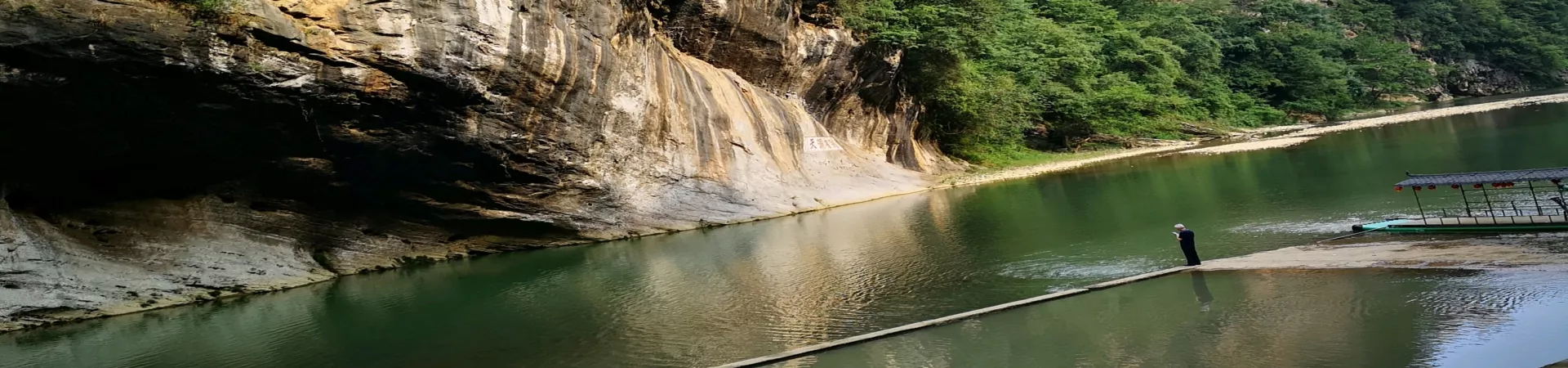
Subtitle: A Comprehensive Guide to the Nuoshui River Scenic Area in Tongjiang, Bazhong
Introduction: A Masterpiece of Nature in the Heart of China
Carved with exquisite artistry by the profound mysteries of the natural world, a captivating paradise of enchanting landscapes and miraculous grottoes awaits discovery. This is the Nuoshui River National Scenic Area, nestled at the foot of the mighty Daba Mountains. Spanning over 450 square kilometers within Tongjiang County on the Sichuan-Shaanxi border, the area boasts an elevation range from 500 to 2,088.6 meters. Its wonders are primarily concentrated across four core regions: the banks of the Nuoshui River itself, the Linjiang Gorge, the Kongshan Tianpen (Sky Basin), and the Maba Stone Forest. Recognized for its outstanding geological value, it was designated a National Geopark in 2009 and included in China's Tentative List for World Natural Heritage. Beyond its physical beauty, the region is steeped in cultural significance as one of the birthplaces of the ancient Ba culture and a key area where the Red Fourth Front Army operated, leaving behind a rich legacy of folk traditions, showcased notably in the renowned Bashan Folk Culture Museum.
1. Exploring the Core Attractions
The vast scenic area is systematically divided into three major, distinct scenic zones, each offering a unique experience.
1.1. Nuoshui Dongtian (The Grotto Heavens of Nuoshui River) This zone is the namesake and a central highlight, famous for its spectacular karst cave systems. The limestone formations, sculpted by water over millennia, create an underground fantasy world of colossal halls, intricate passageways, stunning stalactites, stalagmites, stone curtains, and flowing stone waterfalls. Each cavern, such as the magnificent Lion Cave or the elegant Zhongfeng Cave, is illuminated to enhance the surreal beauty and grandeur of nature's subterranean architecture. Exploring these caves feels like traversing through different celestial realms.
1.2. Linjiang Lixia (The Beautiful Linjiang Gorge) This area features the dramatic and picturesque Linjiang Gorge, where emerald-green waters cut through steep cliffs and lush, forested mountains. Visitors can follow trails along the river, enjoying the serene ambiance, the sound of flowing water, and the sight of pristine pools. It is an ideal zone for hiking, photography, and immersing oneself in a landscape of tranquil yet majestic natural beauty. The contrast between the vibrant water, the grey rock faces, and the dense greenery is particularly striking.
1.3. Kongshan Tianpen (The Empty Mountain Sky Basin) Offering a completely different topography, Kongshan Tianpen is a high-altitude karst depression basin, often described as a "sky basin." This vast, relatively flat area surrounded by forested peaks creates a sense of serene isolation and open space. The landscape here includes grasslands, farmlands, and unique sinkholes, presenting a pastoral and geologically fascinating scene. It is a perfect spot for those seeking panoramic views, a cooler climate, and a glimpse into the local agricultural life set within a remarkable geological formation.
2. Practical Visitor Information
2.1. Tickets and Opening Hours * General Admission: Entry to the vast scenic area itself is free. However, access to specific attractions within the zones, particularly the major caves in the Nuoshui Dongtian area, requires separate tickets, with prices varying per site. * Operating Hours: * November 1 - April 30: 08:30 - 16:30 (Last entry at 16:30) * May 1 - October 31: 08:30 - 17:00 (Last entry at 17:00)
2.2. Suggested Duration A full day is recommended to adequately explore one or two of the main scenic zones. For visitors wishing to experience all three core areas in depth, an overnight stay in Tongjiang or near the scenic area is advisable to spread the visit over two days.
3. Transportation Guide: How to Get There
3.1. By Long-Distance Bus From Chengdu, direct buses to Tongjiang County depart from the Liangjiaxiang Bus Station. The journey covers approximately 555 kilometers, takes about 5 hours and 40 minutes, and costs around CNY 153 per ticket. Buses run hourly from 8:00 AM, with the last departure around 3:30 PM. Upon arrival at Tongjiang Bus Station, transfer to a dedicated shuttle bus heading to Nuoshui River (typically bound for Pingxi Town). This local bus fare is approximately CNY 25 per person and will take you directly to the scenic area.
3.2. By Private Car (Self-Drive) Driving from Chengdu offers flexibility. The primary route involves taking the Chengdu-Dechang-Nanjiang Expressway (Chengba Expressway). The drive to the general vicinity takes approximately 3-4 hours. The specific route passes through Qingbaijiang District and Jintang County in Chengdu, Zhongjiang County in Deyang, Shehong County in Suining, Santai and Yanting Counties in Mianyang, Xichong County in Nanchong, and finally connects to the Guangyuan-Nanjiang and Bazhong-Nanjiang expressways network. An alternative driving route from Chengdu to Tongjiang County is about 510 kilometers and takes roughly 5 hours. This path involves taking the Third Ring Road in Chengdu to the Chengdu-Mianyang-Guangyuan Expressway, proceeding to Guangyuan City, and then continuing for about 150 kilometers on the Wanxiang-Guangyuan Expressway to reach Tongjiang.
4. Cultural and Historical Context
The significance of the Nuoshui River area extends far beyond its geological and aesthetic appeal. It is a region deeply embedded in the historical narrative of Sichuan and China. As part of the ancient Ba Kingdom's territory, it is considered a cradle of the distinctive Ba culture, whose artifacts and stories are preserved and displayed at the Bashan Folk Culture Museum located within the scenic area. Furthermore, during the 1930s, this rugged terrain served as a crucial base and battlefield for the Red Fourth Front Army of the Chinese Communist Party. The difficult landscape provided natural fortification, and the area's history is intertwined with this pivotal revolutionary period, adding a profound layer of historical resonance to the natural exploration.
Information last updated: November 16, 2022. Credit for user contributions is acknowledged.