Eighteen Moon Pond
Subtitle: A Journey into the Heart of Sichuan's Secret Watercolor Forest
1. Introduction to Shibayue Tan (Eighteen Pools Valley)
Nestled deep within the lush, mountainous embrace of the Micangshan range in Bazhong City, Sichuan Province, lies a landscape so serene and artistically crafted by nature that it feels like stepping into a living Chinese scroll painting. This is Shibayue Tan, or the Eighteen Pools Valley. Far from the bustling urban centers, it is a pristine sanctuary within the broader Guangwushan-Nuoshuihe UNESCO Global Geopark, renowned not for grandeur, but for exquisite, delicate beauty. The valley's essence is defined by water—a series of crystal-clear, emerald-hued pools, cascading waterfalls, and murmuring streams that weave through a dense, old-growth forest. Each season dresses the gorge in a different palette, making it a year-round destination for nature lovers, photographers, and anyone seeking a profound connection with tranquility.
2. The Core Experience: A Walk Through a Living Gallery
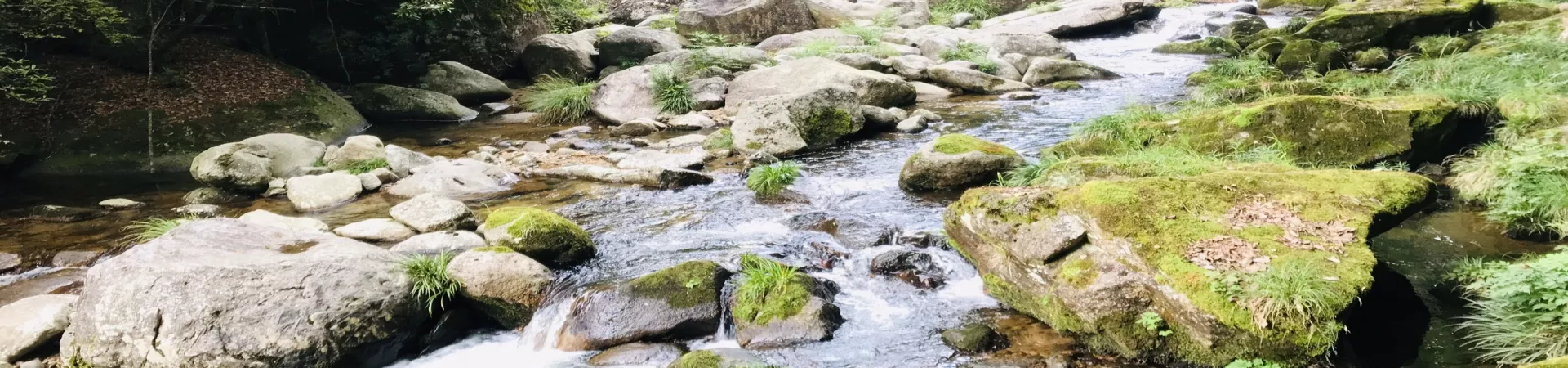
2.1. The Trail of Water and Moss The main activity in Shibayue Tan is a walk along its well-maintained wooden boardwalks and stone paths, which meander alongside the stream for approximately 3.5 kilometers. This is not a strenuous hike but a leisurely, immersive stroll. The path is a sensory journey: the sound of water is a constant companion, ranging from gentle trickles to the resonant roar of larger falls. The air is cool, fresh, and heavily scented with pine and damp earth. Every turn reveals a new vignette—a pool so clear you can see the rounded pebbles at its bottom, a waterfall cascading over moss-covered rocks, or sunlight filtering through the canopy to dance on the water's surface.
2.2. The "Eighteen Pools" Themselves As the name suggests, a chain of small, interconnected pools forms the heart of the scenery. These pools, carved over millennia by the flowing water, are like natural jewels. Their colors shift from translucent jade to deep aquamarine, depending on the depth and the angle of the light. Notable pools along the route have evocative names inspired by their shapes or legends, inviting visitors to pause and contemplate. The boardwalks often cross directly over them or lead to viewing platforms that offer the perfect vantage point for photography and quiet reflection.
2.3. Seasonal Spectacles * Spring (March-May): The forest awakens with vibrant new foliage. Rhododendrons and azaleas bloom along the slopes, adding splashes of pink and red to the overwhelming greenery. The water flow is robust from melting snow, making the waterfalls particularly powerful. * Summer (June-August): This is the season of lush, deep green. The dense canopy provides a cool escape from the summer heat. The forest is at its most vibrant, and the pools offer a refreshing, crisp atmosphere. * Autumn (September-November): Arguably the most spectacular season. The deciduous trees transform the valley into a breathtaking canvas of gold, crimson, orange, and amber. The colorful leaves reflected in the serene blue-green pools create a world of double beauty, making it a paradise for photographers. * Winter (December-February): The valley takes on a quiet, mystical charm. While some waterfalls may partially freeze into delicate ice formations, the many springs keep much of the water flowing. The contrast of dark evergreen trees, white frost, and the ever-present blue water is strikingly beautiful.
3. Practical Visitor Information
3.1. Location and Access Shibayue Tan is located in the northern part of Bazhong City, Sichuan, China. It is part of the Guangwushan-Nuoshuihe Geopark complex. The nearest major town is Nanjiang County. Visitors typically arrive in Bazhong city first, then take a bus or hire a car for the approximately 2-3 hour scenic drive into the mountains. The final approach involves navigating winding mountain roads, so travel time should be planned accordingly.
3.2. Opening Hours and Fees * Opening Hours: 08:30 - 16:30 daily. Last admission is at 16:30. It is crucial to note that entry stops in the mid-afternoon to ensure all visitors have sufficient time to complete the walk before dusk. * Suggested Visit Duration: A thorough and leisurely exploration of the valley requires 2 to 4 hours. Rushing through would mean missing the subtle details that make the place magical. * Ticketing: An entrance fee is required. For the most accurate pricing and potential seasonal variations, it is recommended to check official sources or reliable travel platforms before your visit.
3.3. Planning Your Visit * Best Time to Visit: Early morning on a weekday is ideal to avoid crowds and experience the valley in its most peaceful state. Autumn weekends are exceptionally popular. * What to Wear/Bring: Wear comfortable, non-slip walking shoes as paths can be damp. Bring a light jacket even in summer, as the forest microclimate is cooler. Don’t forget your camera, spare batteries, and perhaps a tripod for long-exposure waterfall shots. Carry water and some snacks, though facilities at the entrance may have basic supplies. * Physical Considerations: The walk involves steady but manageable inclines and many steps. It is generally suitable for most people with average mobility, though it may be challenging for those with significant knee difficulties.
4. Beyond the Pools: Context and Conservation
4.1. A Geopark Treasure Shibayue Tan's beauty is rooted in geology. The area is characterized by Cambrian carbonate rocks. The incredibly clear water is slightly alkaline, rich in calcium and bicarbonate, which contributes to the smooth, sculpted appearance of the riverbed and the vibrant colors of the pools. Understanding this geological context adds a deeper layer of appreciation for the landscape.
4.2. An Ecosystem in Balance The valley is a protected ecological zone. The ancient forest hosts diverse plant life, including rare ferns and mosses that thrive in the humid environment. Visitors are expected to follow strict "leave no trace" principles: staying on designated paths, not swimming in the pools (which is prohibited to preserve water quality and ecosystem balance), and taking all trash out of the valley. This collective responsibility ensures the pools remain pristine for future generations.
4.3. Nearby Attractions For those with more time, Shibayue Tan can be combined with visits to other sections of the vast Guangwushan-Nuoshuihe Geopark, such as the majestic Nuoshuihe Karst Caves or the broader forest vistas of Guangwushan itself. The region is also rich in Red Army history from the 1930s, with several memorial sites in Bazhong city for those interested in cultural heritage.
Information last updated: September 2023. For confirmation of opening hours and tickets, please contact the local park management at 0827-8882699.