Tianzhou Ancient City
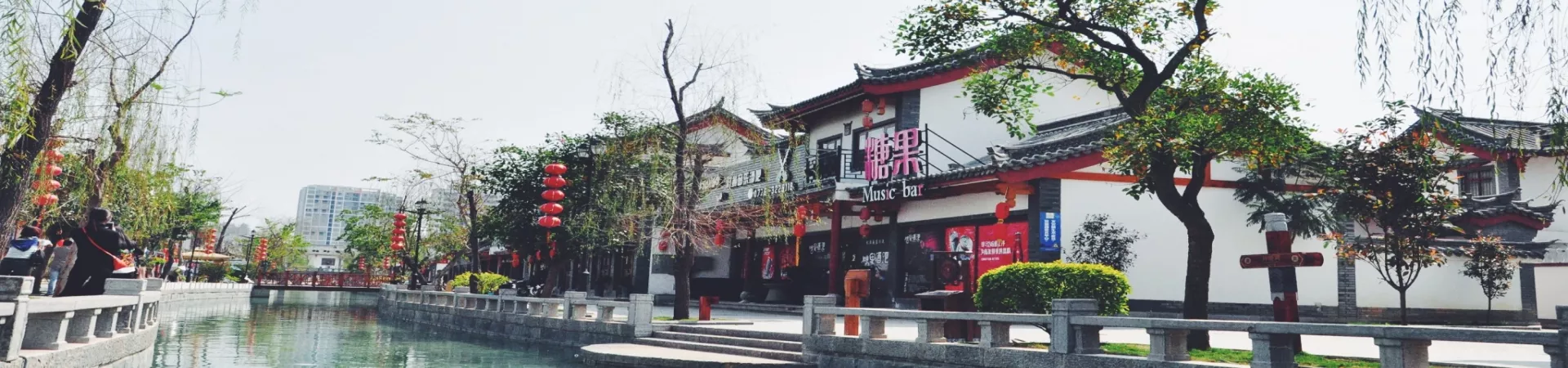
Subtitle: A Journey Through Time and Culture in the Heart of Zhuang Homeland
1. Introduction: The Crossroads of History and Nature Nestled in the breathtaking landscape of Guangxi Zhuang Autonomous Region, Tianzhou Ancient City in Tianyang District, Baise, is far more than a historical site; it is a living tapestry woven from millennia of ethnic culture, heroic history, and stunning natural beauty. Strategically positioned, it borders Tiandong County to the east, Debao County to the south, Youjiang District to the west, and the Bama Yao Autonomous County to the north. This location places it at a fascinating crossroads, serving as a gateway to both the profound cultural heritage of the Zhuang people and the revolutionary history that shaped modern China. A visit here is an immersive experience, offering a profound connection to the soul of this unique region.
2. The Cradle of Zhuang Civilization: A Deep Cultural Root 2.1. The Spiritual and Ethnic Homeland Tianyang is universally revered as the birthplace and spiritual heartland of the Zhuang ethnic group, China's largest minority. Tianzhou Ancient City stands as a testament to this enduring legacy. The atmosphere is imbued with the rich traditions, customs, and artistic expressions of the Zhuang people. Walking through its lanes, one can sense the deep historical continuity that has shaped the community's identity, from ancient agricultural practices to vibrant folk festivals.
2.2. Architectural and Cultural Synthesis The architecture and layout of the ancient city reflect a harmonious blend of traditional Zhuang styles—often characterized by stilted houses (Diaojiaolou) and intricate wood carvings—with influences from centuries of cultural exchange along the region's trade routes. This synthesis creates a unique visual and cultural environment where history feels palpably alive.
3. Echoes of Valor and Revolution: A Landscape of Heroes 3.1. The Legacy of Lady Wa The city's historical narrative is profoundly marked by the legendary figure of Lady Wa (Wa Shi Furen), a 16th-century heroine renowned for her leadership and military prowess in resisting Japanese pirates (Wokou) during the Ming Dynasty. Hailed as a native daughter of Tianyang, her story of courage and strategic acumen is a source of immense local pride. Her legacy is a powerful reminder of the region's long-standing spirit of resilience and defense.
3.2. A Bastion of Modern Revolutionary History Tianyang's significance extends firmly into the 20th century as a crucial component of the Youjiang Revolutionary Base Area. This base was jointly established by Deng Xiaoping and other veteran revolutionaries of China's older generation, playing a pivotal role in the Communist revolutionary movement in the late 1920s. The area around Tianzhou Ancient City witnessed strategic planning, political mobilization, and the struggle that contributed to the revolutionary narrative, embedding the site with a layered historical importance that spans from ancient heroism to modern state-building.
4. The Visitor Experience: Immersion and Exploration 4.1. Unrestricted Access and Atmosphere One of the defining features of Tianzhou Ancient City is its accessibility. The site is open to visitors 24 hours a day, every day of the year. This open schedule allows for remarkable flexibility. Visitors can experience the changing moods of the city under the bright sun, during the soft light of late afternoon, or under the evocative glow of evening lanterns, each offering a distinct perspective on its ancient walls and courtyards.
4.2. Key Activities and Engagement 4.2.1. Cultural Walkways and Architectural Discovery Meandering through the restored streets and squares is the primary activity. Visitors can admire traditional architecture, visit small museums or cultural exhibitions detailing Zhuang history and Lady Wa's exploits, and observe local artisans practicing traditional crafts.
4.2.2. Culinary and Artisanal Encounters The city likely features venues to sample authentic Zhuang cuisine, known for its sour and spicy flavors, and local specialties like five-color glutinous rice. Markets or shops may offer traditional textiles, embroidery, and silver jewelry, providing opportunities for cultural exchange and supporting local artisans.
4.2.3. Scenic Vistas and Natural Backdrop Given its location, the ancient city is undoubtedly framed by the iconic karst topography of Guangxi—towering limestone peaks and lush greenery. Viewpoints within or around the city offer chances for contemplation and photography, blending the human-made historical landscape with the awe-inspiring natural one.
5. Practical Information for Planning For travelers seeking to integrate Tianzhou Ancient City into their broader Baise or Guangxi itinerary, it serves as an ideal cultural anchor. Its proximity to Bama, famed for longevity, and other Baise attractions like the Hongshui River and Leye Tiankeng, makes it a strategic stop. For specific inquiries or to confirm details of local events, visitors can contact the site at 0776-3233788.
In essence, Tianzhou Ancient City is not merely a collection of old buildings; it is a dynamic cultural space where the ancient origins of the Zhuang people, the heroic tales of Lady Wa, and the transformative history of China's revolution converge. It invites visitors to step away from the rapid pace of modernity and wander through a landscape where every stone and pathway tells a story of identity, courage, and enduring spirit.