San Dieling Waterfall
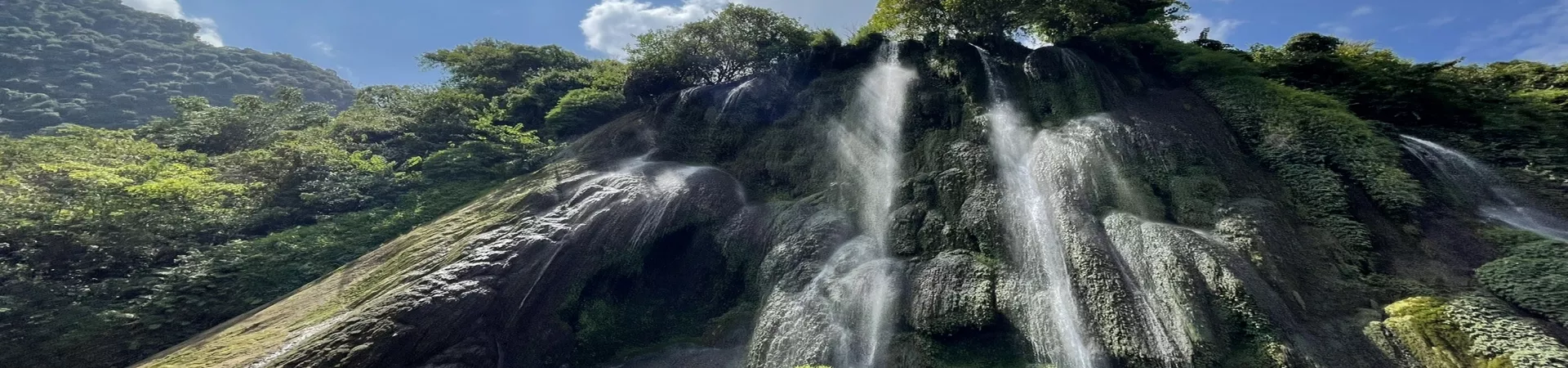
Subtitle: A Journey to the Three-Tiered Wonder of Baise, Guangxi
1. Introduction: The Cascading Dream of the Youjiang Basin Nestled deep within the majestic karst landscape of Guangxi Zhuang Autonomous Region, near the city of Baise, lies a natural spectacle that seems plucked from a classical Chinese painting—the San Die Ling Waterfall, or Three-Tiered Ridge Waterfall. More than just a geographical feature, it is a symphony of water, stone, and lush greenery, a powerful testament to the raw, sculpting forces of nature over millennia. Located along the historic Youjiang River basin, an area rich in cultural and revolutionary history, the waterfall offers visitors a refreshing escape into a world of mist, thunderous sound, and serene beauty. This guide delves into the essence of San Die Ling, exploring its geological origins, its captivating multi-tiered structure, the immersive visitor experience, and practical tips for planning your journey to this hidden gem of Southwest China.
2. The Genesis of a Natural Masterpiece 2.1. A Karst Landscape Sculpted by Water The existence of San Die Ling is fundamentally intertwined with the unique geology of the Guangxi region. The area is a classic example of a karst landscape, formed from the dissolution of soluble bedrock, primarily limestone, over eons. Rainfall, slightly acidic from absorbing carbon dioxide in the atmosphere, percolates through cracks in the limestone, slowly widening them into fissures, underground rivers, and caverns. The waterfall itself is a surface manifestation of this ongoing process. It is believed that the water source originates from an underground river system within the karst mountains, emerging at the cliff edge to begin its dramatic descent.
2.2. The Formation of the Three Tiers The distinctive "three-tiered" structure is the result of differential erosion. The cliff face over which the water plunges is not composed of uniform rock. Layers of harder, more resistant rock alternate with softer, more easily eroded strata. As the flowing water relentlessly wears away at the cliff over countless centuries, the softer layers recede faster, creating sudden drops or "steps." At San Die Ling, this process has created three prominent, well-defined stages in the waterfall's descent. Each tier acts as a separate plunge pool catchment, redistributing the water's energy and creating the unique staggered visual effect that gives the waterfall its name and character.
3. Experiencing the Three-Tiered Cascade 3.1. The Approach: Anticipation and First Impressions The journey to the waterfall often builds anticipation. As you approach, the first sign is usually a distant, low rumble that grows into a persistent roar. The air becomes noticeably cooler and carries a fine, refreshing mist. The first visual glimpse through the foliage is often breathtaking—a wide, silvery ribbon of water dramatically cutting through the vibrant green of the surrounding subtropical forest. The main viewing platform, typically reached via a short walk from the parking area, offers a commanding frontal view of the entire cascade, allowing visitors to appreciate its full scale and the powerful, unceasing flow of water from the top tier to the final plunge pool below.
3.2. A Closer Look at Each Tier 3.2.1. The Upper Tier: The Launch The highest section is where the water emerges in full force from the mountain's embrace. This tier often features the most vertical and concentrated plunge. The water gathers speed and power here before launching into its descent, creating a thick, turbulent column of white water that generates the majority of the mist and roar.
3.2.2. The Middle Tier: The Dynamic Transition Acting as both a receiver and a new launch point, the middle tier is where the water from above crashes onto a rocky shelf or pool. This impact creates spectacular sprays and complex, foaming water patterns. This tier is often seen as the most dynamic, where the water's energy is momentarily broken and reorganized before continuing downward. The interplay of light and mist here frequently produces brilliant rainbows on sunny days.
3.2.3. The Lower Tier: The Finale and Pool The final descent leads to the main plunge pool at the base. This tier is often wider, with the water spreading out as it completes its journey. The pool, emerald green or frothy white, is a basin of constant churn. The sound here is deep and resonant, and the mist is dense, often soaking onlookers who venture close. This base area is the most immersive sensory point, where one can truly feel the power and permanence of the waterfall.
4. Planning Your Visit to San Die Ling Waterfall 4.1. Best Time to Visit The ideal time to witness San Die Ling at its most powerful is during and immediately after the rainy season, which typically runs from May to September. During these months, the underground water sources are replenished, resulting in a voluminous, thunderous flow. The surrounding vegetation is also at its lushest. However, the waterfall retains its scenic beauty year-round. The dry season (October to April) offers clearer water with a more delicate, cascading appearance, and the chances of getting drenched by mist are lower, which may be preferable for some photographers.
4.2. Access and Transportation San Die Ling Waterfall is located approximately 30-40 kilometers from downtown Baise. The most convenient way to reach it is by private vehicle or taxi, as public transportation options may be limited and infrequent. The drive itself through the karst countryside is part of the experience. There is usually a designated parking area near the site, from which a short, well-maintained path leads to the primary viewing areas. Comfortable, non-slip walking shoes are essential due to the ever-present moisture on paths and platforms.
4.3. Practical Tips for a Fulfilling Experience * Footwear and Clothing: Wear sturdy, waterproof shoes with good grip. A lightweight rain jacket or poncho is highly recommended to protect against the pervasive mist, which can be surprisingly heavy. * Photography: For photography, a tripod can be useful for long exposures to create a smooth, silky effect on the flowing water, especially in lower light conditions. A lens cloth is necessary to keep your lens dry from the mist. Early morning or late afternoon light provides the best illumination and minimizes harsh shadows. * Safety: Always stay on designated paths and viewing platforms. The rocks near the waterfall are perpetually wet and extremely slippery. Heed all warning signs. The current in the plunge pool can be strong and unpredictable; swimming is typically prohibited. * Local Context: Combine your trip with other attractions in the Baise area, such as the Baise Uprising Memorial Hall or the stunning underground world of Leye-Fengshan Global Geopark, to gain a deeper appreciation of the region's natural and historical significance.