Old Street in Jiuzhou
Subtitle: A Journey Through Time in the Heart of Zhuang Culture
Nestled within the stunning karst landscape of Jingxi City, in the Baise region of Guangxi, lies the ancient village of Jiuzhou Old Street. This is not merely a tourist destination; it is a living, breathing chronicle of the Zhuang people, one of China's largest ethnic minorities. With a history stretching back over a thousand years, Jiuzhou is revered as the very cradle of Jingxi's Zhuang culture. It stands today as one of the most intact and authentic preserves of Zhuang traditions, architecture, and daily life, offering visitors a profound and immersive escape from the modern world.
The Soul of the Village: Embroidery Balls and Living Traditions
The most vibrant and ubiquitous symbol of Jiuzhou is undoubtedly the embroidered ball, or xiuqiu. More than just a handicraft, it is a cultural icon deeply woven into the social and romantic fabric of Zhuang life. Historically, these meticulously hand-stitched, colorful silk balls were tokens of love, thrown by young women to chosen suitors during festivals. Today, the tradition flourishes in a different form. Walking down the old street, you will witness a community-wide artistry: nearly every household is a workshop. From elderly masters to young children, families engage in the intricate process of making these beautiful objects. The sight of residents sitting in their open-door shops or on stone doorsteps, patiently stitching vibrant patterns of flowers, birds, and auspicious symbols onto silk segments, is the defining image of Jiuzhou.
Visitors are encouraged to step into these humble workshops. Here, you can observe the entire process—from cutting the silk and padding the ball to the final, delicate embroidery. It is an opportunity not only to purchase a unique and meaningful souvenir directly from the artisan but also to engage in a quiet cultural exchange. The skill passed down through generations in these homes represents the unbroken thread connecting contemporary Jiuzhou to its ancient past.
A Stroll Through History: Architecture and Ambiance
The physical structure of Jiuzhou Old Street is a museum in itself. The main thoroughfare, paved with worn, smooth flagstones polished by centuries of footsteps, is flanked by rows of well-preserved traditional buildings. These structures showcase classic Zhuang architectural elements, with their grey-tiled roofs, wooden facades, and distinctive horse-head gables. Many homes incorporate Qing and Ming dynasty stylistic features, their aged wooden beams and carved details whispering stories of dynasties past.
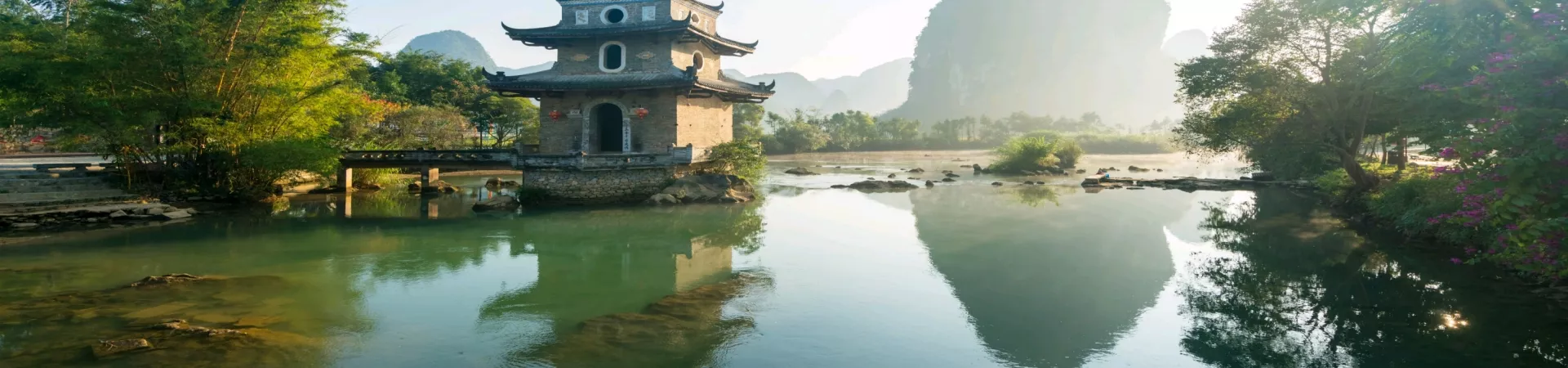
The street meanders alongside the crystal-clear Jingxi River, whose waters mirror the majestic karst peaks that encircle the village. This serene river is integral to daily life and adds to the picturesque quality of the scene. Small stone bridges arch over gentle streams, and ancient banyan trees provide shaded spots for rest. The atmosphere is one of tranquil timelessness, where the pace of life slows to a gentle rhythm. It is a place made for leisurely exploration, where every corner reveals a photogenic tableau—a weathered door, a cluster of hanging embroidered balls glowing in the sun, or a local elder sharing a smile.
Practical Information for Your Visit
To plan your journey into this cultural haven, the following details are essential.
Opening Hours and Admission: The entrance to the Jiuzhou Old Street scenic area is open daily from 08:00 to 18:00. It is advisable to allocate sufficient time to fully absorb the ambiance; a visit typically lasts between 1 to 3 hours, though culture and photography enthusiasts may wish to stay longer. An admission fee is required for entry. As of the latest information, the standard adult ticket is priced at 48 RMB. This fee contributes to the preservation and maintenance of this historic site.
Engaging with the Community: While the visual and historical appeal is immense, the true essence of Jiuzhou is found in interaction. Beyond watching the embroidery ball craft, visitors might be fortunate enough to witness or learn about other Zhuang customs. The village is also a center for traditional Zhuang folk songs, known as shan'ge. During local festivals, the air may fill with these distinctive melodic exchanges. Sampling local Zhuang cuisine, often featuring sticky rice, river fish, and pickled vegetables, at a small family-run eatery is highly recommended for a complete sensory experience.
Contact and Further Inquiry: For specific inquiries regarding group visits, current events, or festival schedules, you may contact the local management office at 0776-2516199.
A trip to Jiuzhou Old Street is ultimately a journey into the resilient heart of the Zhuang culture. It is a place where history is not locked away in glass cases but is actively sewn, sung, and lived in the quiet flow of everyday life. It offers a rare and precious glimpse into a rich ethnic heritage, set against a backdrop of breathtaking natural beauty, making it an indispensable stop in the Baise region.