Piercing the Heavenly Pit
Subtitle: A Journey into the Depths: Exploring Chuandong Tiankeng, the "Sky Window" of Leye
1. Introduction to a Geological Marvel
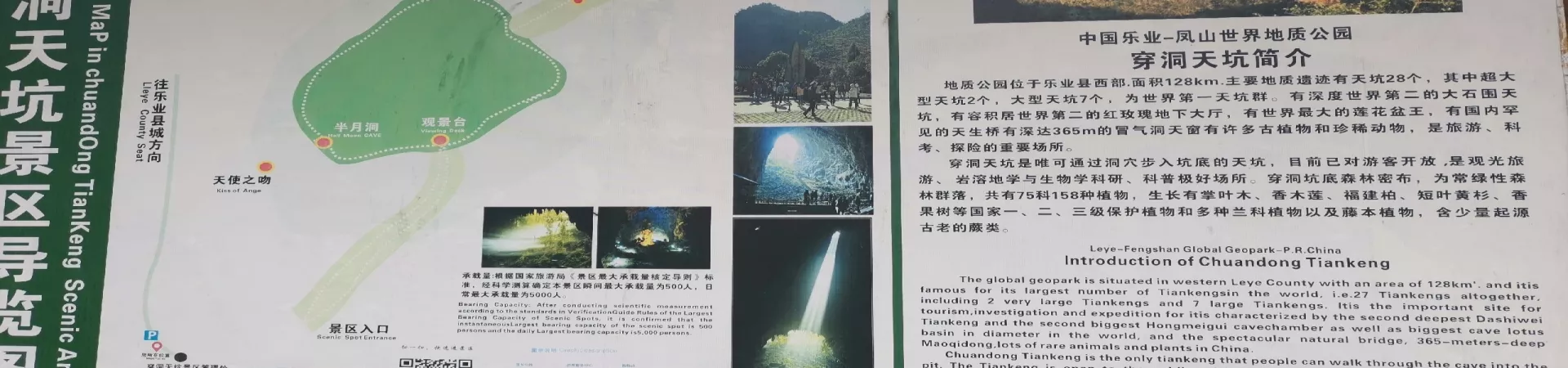
Nestled within the breathtaking and world-renowned Leye Giant Doline Cluster in Baise, Guangxi, lies a geological wonder of exceptional proportions and unique accessibility: the Chuandong Tiankeng. This site is not merely a scenic spot; it is a profound testament to the immense, sculpting power of nature over millions of years. Tiankeng, translating to "Heavenly Pit," is a specific term for exceptionally large and steep-sided dolines, and Chuandong stands as a crown jewel among them. Recognized as one of the world's six super-large tiankengs, it offers visitors a rare and tangible opportunity to descend into the very heart of such a formation, transitioning from the world above into a hidden, subterranean realm of awe-inspiring scale and serene beauty. It represents a perfect synthesis of grandeur and intimacy, of overwhelming rock and ethereal light.
2. The Grand Architecture of Nature
2.1. Scale and Formation Chuandong Tiankeng distinguishes itself immediately through its formidable structure. Unlike a simple circular sinkhole, it presents a dramatic polygonal outline, its perimeter defined by six distinct peaks—the highest number of enclosing peaks within the Leye cluster. This colossal pit descends to an average depth of 175 meters, with its deepest point plunging a staggering 312 meters below the rim. Its total volume is an almost incomprehensible 11.72 million cubic meters, a space so vast it evokes a sense of standing within a lost world. The tiankeng was formed through the relentless dissolution of limestone by acidic water over eons, followed by the eventual collapse of massive underground caverns, creating this majestic, open-to-the-sky chasm.
2.2. The Namesake Passage: Chuandong Cave The feature that truly sets Chuandong apart, and gives it its name ("Piercing Cave" Tiankeng), is the remarkable natural tunnel on its southwestern flank. This is the Chuandong Cave, a 202-meter-long conduit that cuts directly through the rock wall, providing the only known walking access from the outside world to the floor of a major tiankeng in the entire Leye group. Ranging from 20 to 28 meters in width and soaring between 9.5 to 23.5 meters in height, this cave is not a cramped crawl space but a grand, vaulted corridor. The journey through this passage is a ceremonial descent, a gradual transition from sunlight into shadow, building anticipation for the hidden world that lies ahead.
3. The Enchanting Subterranean Realm
3.1. The Cathedral Hall and the "Angel's Kiss" Emerging from the tunnel onto the tiankeng floor, visitors find themselves in a vastly different ecosystem. The base is a lush, isolated patch of primary forest, thriving in the unique microclimate. At the southwestern end lies a spectacular cavern chamber. Here, nature's artistry reaches its peak. High in the ceiling of this subterranean hall, a small, crescent-shaped skylight punctures the rock. Known poetically as the "Angel's Kiss," this opening acts as a celestial spotlight. At optimal times of day, particularly around midday, a powerful beam of sunlight shafts down from 108 meters above, cutting through the dim, cool air of the cavern. This radiant pillar, often visible with dust motes dancing within it, dramatically illuminates the sheer scale and profound emptiness of the chamber, creating a scene of breathtaking, almost spiritual, beauty.
3.2. A Symphony of Natural Elements Chuandong Tiankeng is a masterful collage of diverse geological and ecological features. It seamlessly integrates the colossal scale of the tiankeng itself with the intimate exploration of a solutional cave (Chuandong Cave). The presence of an underground river, though not always immediately visible, is a key architect of this landscape, its persistent flow whispering of ongoing geological processes. The dramatic light beam from the "Angel's Kiss" adds a transient, performative element. All this is framed by the vibrant primary forest on the pit floor, where rare ferns and moss-clad trees flourish in the humid, protected environment. This convergence makes it an unparalleled destination for those seeking to witness the multifaceted wonders of karst topography.
4. Practical Visitor Information
4.1. Access and Operations For the independent traveler, the following details are essential for planning a visit. The attraction operates with specific hours to ensure visitor safety and experience quality. * Opening Hours: 08:00 - 17:00 daily. The last admission is at 16:30. * Note: These hours are typically in effect from January 1st to August 14th. It is always advisable to confirm any seasonal changes in schedule before your trip. * Contact: For direct inquiries, you may reach out via phone at +86-771-5798822.
4.2. Ticketing Admission to this natural monument is subject to a fee, which contributes to its maintenance and conservation. * Standard Ticket: The general admission price is 40 RMB (Chinese Yuan) per person. * Concessionary Tickets: The site may offer discounted tickets for eligible visitors (such as students, seniors, or children). A crucial point to note is that these concessionary tickets typically must be purchased on-site at the scenic area's own ticket office. They are generally not available through third-party online platforms. Visitors seeking discounts should be prepared to present valid identification at the ticket counter upon arrival.