National Donggou Wetland Hunting Area
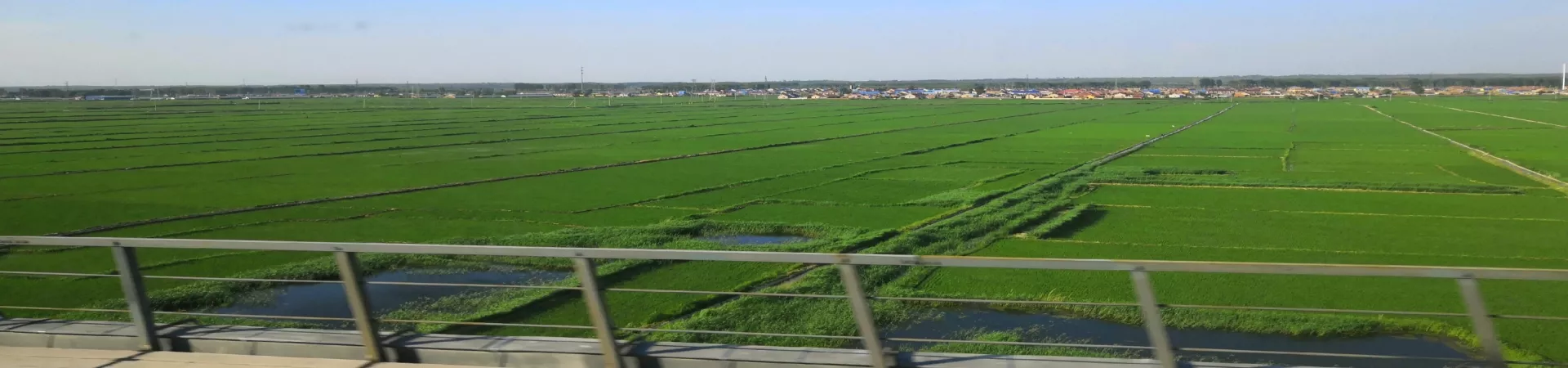
Subtitle: A Journey into the Wild Heart of Jilin: Exploring the Donggou Wetland Hunting Area
Introduction: Where Wetlands Meet the Sky
Nestled in the vast, open landscapes of Baicheng City in Jilin Province, the National Donggou Wetland Hunting Area presents a unique and compelling destination for nature enthusiasts and those seeking an authentic wilderness experience. Far from the typical curated park, this expansive reserve is a dynamic ecosystem where lush wetlands, sweeping grasslands, and dense reed marshes converge. It is a sanctuary where the horizon stretches endlessly, the air is filled with the calls of migratory birds, and the rhythm of life follows the ancient patterns of nature. More than just a protected zone, Donggou offers a rare, regulated opportunity to engage with a primal human activity—hunting—within a framework of strict ecological conservation and sustainable management. This is a place for observation, reflection, and connection with an environment that feels both timeless and profoundly vital.
1. The Ecological Tapestry of Donggou
1.1. A Vital Wetland Ecosystem The core identity of Donggou is defined by its wetlands, which are part of the larger Songnen Plain wetland system. These marshes, ponds, and waterways are not merely scenic; they perform critical ecological functions. Acting as a natural "kidney," they filter water, control floods, and maintain groundwater levels. The wetland's complex aquatic and terrestrial interfaces create a mosaic of habitats that support an astonishing diversity of life. From submerged plants to towering reeds, the vegetation here forms the foundational layer of a rich food web, making the area a crucial breeding ground, nursery, and stopover point for countless species.
1.2. A Birdwatcher's Paradise: Avian Biodiversity Donggou is internationally renowned as a haven for birds, particularly migratory species. It lies on the East Asian-Australasian Flyway, one of the world's major migratory routes. During seasonal transitions, the skies and waters come alive with hundreds of thousands of visitors.
- Iconic Residents and Visitors: The area is famously associated with cranes. The majestic Red-crowned Crane, a symbol of longevity and elegance, can be observed here alongside the graceful White-naped Crane and the elusive Hooded Crane. Beyond cranes, visitors may spot large flocks of swans (Whooper and Mute), various species of geese and ducks, majestic birds of prey like the Eastern Imperial Eagle, and numerous waders and passerines.
- The Spectacle of Migration: The most awe-inspiring times to visit are during the spring (March-May) and autumn (September-November) migrations. The sight of vast flocks organizing, landing to rest and feed, or taking flight in synchronized clouds is an unforgettable natural spectacle. The symphony of their calls creates the authentic soundtrack of the wetland.
2. The Unique Concept of Regulated Hunting
2.1. Philosophy of Sustainable Utilization The "Hunting Area" designation distinguishes Donggou from a standard nature reserve. This model operates on the principle of sustainable utilization, where careful population management of certain game species supports both ecosystem health and traditional practices. The philosophy acknowledges that regulated hunting, when based on scientific census data, can prevent overpopulation of herbivores, minimize habitat degradation, and generate essential revenue for conservation work, anti-poaching patrols, and community involvement.
2.2. Structure and Regulations of the Hunting Grounds The hunting activity is conducted under a highly controlled and ethical framework.
- Designated Zones: The vast area is divided into specific zones for hunting, breeding, and core protection. Hunting is permitted only in designated sections, ensuring no disturbance to key breeding areas or endangered species.
- Strict Management: All hunting is managed through a quota system based on annual wildlife surveys. Participants must obtain permits, are accompanied by professional guides, and must adhere to strict rules regarding species, sex, size, and bag limits. The primary game species include managed populations of pheasant (Common and Golden), Mongolian hare, and in specific areas, wild duck.
- A Focus on Ethics and Skill: The experience is framed as a challenging outdoor pursuit that emphasizes respect for the animal, marksmanship, fieldcraft, and a deep understanding of the environment. It is a world away from commercial trophy hunting, focusing instead on a regulated, traditional practice.
3. The Visitor Experience: Beyond Observation
3.1. Immersive Activities for Every Traveler While hunting is a specialized activity, Donggou offers a wide array of experiences for all visitors.
- Guided Ecological Tours: Knowledgeable guides lead walking tours or 4x4 vehicle excursions deep into the wetlands, explaining the flora, fauna, and ecological relationships. Birdwatching towers and camouflaged blinds provide excellent vantage points for photography and quiet observation.
- Thematic Photography: The ever-changing light over the reeds, the dramatic skies, and the dynamic wildlife offer unparalleled opportunities for landscape and wildlife photographers. The "golden hours" at sunrise and sunset are particularly magical.
- Seasonal Landscapes: Each season paints Donggou in a new color. Spring brings renewal and nesting activity; summer is a lush, green expanse teeming with life; autumn sees the reeds turn a golden brown and hosts the southward migration; winter transforms the area into a stark, silent wonderland of ice and snow, with animal tracks telling stories in the frost.
3.2. Practical Information for Your Journey
- Best Time to Visit: For bird migration, spring and autumn are optimal. For general scenery and hunting activities, autumn is ideal. Winter offers a unique, harshly beautiful experience.
- Accessibility: The hunting area is located near Baicheng City, which is accessible by train or long-distance bus from major cities like Changchun. The final leg of the journey to the reserve typically requires a private vehicle or arranged transport.
- Accommodation and Amenities: Visitors can stay in Baicheng City, which offers a range of hotels. Within or near the reserve, simpler guesthouses or lodges may be available, offering a more immersive experience. It is crucial to plan ahead, bring necessary supplies (water, snacks, sunscreen, insect repellent), and wear appropriate clothing and sturdy footwear for outdoor terrain.
- Conservation Ethic: All visitors are expected to be stewards of the environment. This means adhering to the principles of "Leave No Trace": carrying out all waste, staying on designated paths to minimize disturbance, maintaining a quiet presence to avoid stressing wildlife, and strictly following all reserve rules and guidelines.
Conclusion: A Testament to Balanced Coexistence The National Donggou Wetland Hunting Area stands as a compelling example of how conservation and sustainable use can coexist. It challenges the visitor to look deeper, to understand the complex management of modern wilderness areas, and to appreciate the raw beauty of a functioning ecosystem. Whether you come for the profound tranquility of a wetland sunrise, the thrill of spotting a rare crane, or the disciplined challenge of a regulated hunt, Donggou offers a profound connection to the natural world—a reminder of its fragility, its resilience, and its enduring wonder.