Tangyin Yuefei Temple
Subtitle: A Journey to the Hall of the Loyal Hero: Exploring the Yue Fei Temple in Tangyin, Anyang
1. Introduction: The Legacy of a National Hero
Nestled in Tangyin County, the birthplace of the legendary Southern Song Dynasty general, Yue Fei, stands a monument to loyalty, valor, and enduring national spirit. The Yue Fei Temple, originally named the "Temple of Absolute Loyalty" or more formally the "Temple of King Yue Zhongwu of Song," is far more than a collection of ancient halls; it is a profound cultural pilgrimage site. Constructed by later generations to honor the memory of the great patriot who fiercely resisted the Jin invasion, the temple complex serves as a powerful physical narrative of his life, his unwavering principles, and his tragic fate. A visit here transcends typical tourism, offering a deep dive into the core values that have shaped Chinese historical consciousness for centuries. The experience is complemented by the surrounding Yue Temple Street, a vibrant artery of traditional culture that extends the historical atmosphere beyond the temple walls.
2. Architectural Grandeur and Historical Artifacts
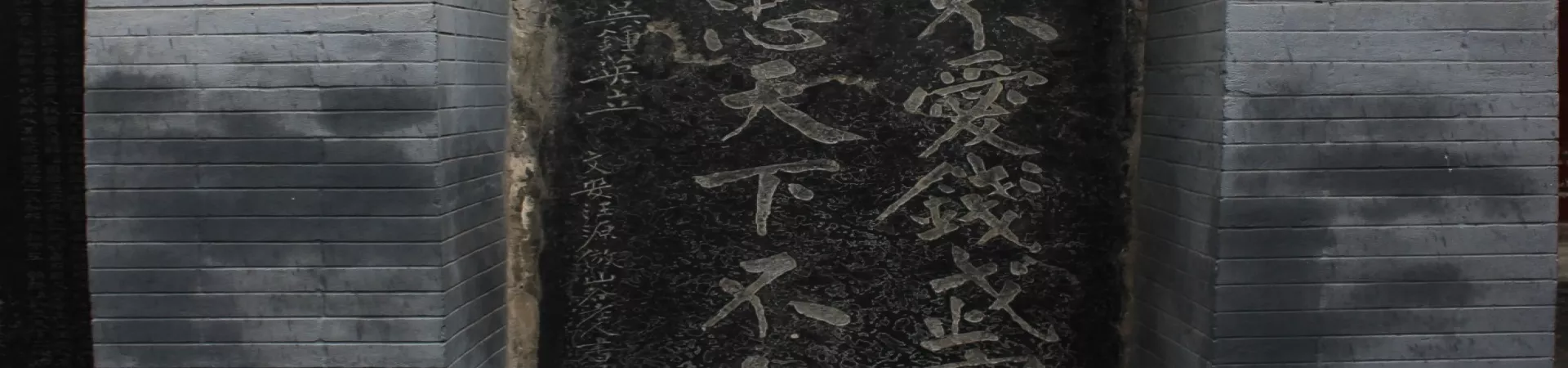
2.1 Layout and Main Structures The temple complex is imposing and meticulously planned, following the traditional Chinese architectural principle of sitting north and facing south. Upon entering, visitors are greeted by a solemn and dignified atmosphere, with ancient stele forests dotting the courtyards, their inscriptions silently recounting tales of heroism and public admiration across dynasties. The heart of the complex is the main hall, a structure that commands reverence.
2.2 The Central Icon: The Statue of Yue Fei Dominating the main hall is the magnificent colored clay seated statue of Yue Fei himself. Crafted with masterful artistry, the sculpture captures the general in a pose of solemn authority and unshakeable resolve. His expression is one of righteous determination, embodying the very essence of a national hero—his "hao qi," or noble spirit, feels almost palpable. This central icon is the focal point of reverence and contemplation for all visitors.
2.3 Imperial Tributes: The Hallowed Tablets Adding to the hall's prestige are two large horizontal inscribed boards mounted on the lintel. These are not mere decorations but priceless historical artifacts bearing the calligraphy of the highest authorities of the late Qing Dynasty: Emperor Guangxu and Empress Dowager Cixi. The phrases "百战神威" (Bai Zhan Shen Wei), translating to "Divine Might in a Hundred Battles," and "忠灵未泯" (Zhong Ling Wei Min), meaning "The Loyal Soul Is Undying," are powerful imperial endorsements of Yue Fei's legacy, demonstrating how his figure transcended his own era to become a perennial symbol of loyalty for rulers centuries later.
3. Symbolism and Moral Contrast: The Kneeling Iron Statues
Perhaps one of the most striking and emotionally charged features of the temple grounds is located in front of the main hall. Here, cast in iron and forced into perpetual postures of shameful kneeling, are the statues of five historical figures led by Qin Hui, the treacherous chancellor primarily blamed for framing Yue Fei and engineering his unjust execution. This powerful sculptural group serves as a stark moral and visual contrast. Positioned between the visitor and the majestic statue of Yue Fei inside the hall, these kneeling traitors physically and symbolically prostrate themselves before the hero's glory. This setup is a profound artistic and ethical statement, eternally condemning betrayal and corruption while magnificently elevating Yue Fei's stature as the flawless paragon of loyalty and sacrifice. It visually narrates the ultimate triumph of good over evil in the court of historical judgment.
4. The Lively Cultural Environs: Yue Temple Street
Exiting the temple's reflective atmosphere, the experience seamlessly flows into the bustling Yue Temple Street just outside the gates. This street is designed as a conscious extension of the historical theme, featuring rows of buildings constructed in an elegant, imitation-antique architectural style. Every shop sign is a wooden plaque with beautifully carved calligraphy, maintaining a consistent and charming historical aesthetic. The street is a hub of local life and commerce, lined with vendors selling an array of traditional snacks, handicrafts, souvenirs, and small items. Taking a leisurely stroll here after the temple visit is highly recommended. It allows visitors to immerse themselves in the living cultural atmosphere of the hero's hometown, enjoy local flavors, perhaps purchase a memento, and observe the daily life that continues in the shadow of this great history.
5. Practical Visitor Information
5.1 Location and Transportation The Yue Fei Temple is located in Tangyin County, under the administration of Anyang City in Henan Province. The most straightforward public transportation option from downtown Anyang is to take the dedicated Bus Line 10, which runs directly from Anyang to Tangyin, making it easily accessible for independent travelers.
5.2 Admission and Opening Hours The entrance ticket is priced at 50 RMB. The temple's opening hours vary by season: * Standard Winter Hours (Oct 9 - Apr 30): 08:30 - 17:30, with last entry at 17:00. * Standard Summer Hours (May 1 - Sep 30): 08:00 - 18:00, with last entry at 17:30. * National Day Holiday (Oct 1 - Oct 8): The temple offers extended hours with both day and night sessions: 08:00 - 18:00 (day session, last entry 17:30) and 18:00 - 22:00 (night session, last entry 21:30).
5.3 Suggested Duration To fully appreciate the temple's architecture, historical exhibits, stele forest, and the surrounding street at a comfortable pace, a visit typically requires 1 to 3 hours.
5.4 Contact For any specific inquiries, visitors can contact the temple at 0372-6213664.