Yin Ruins
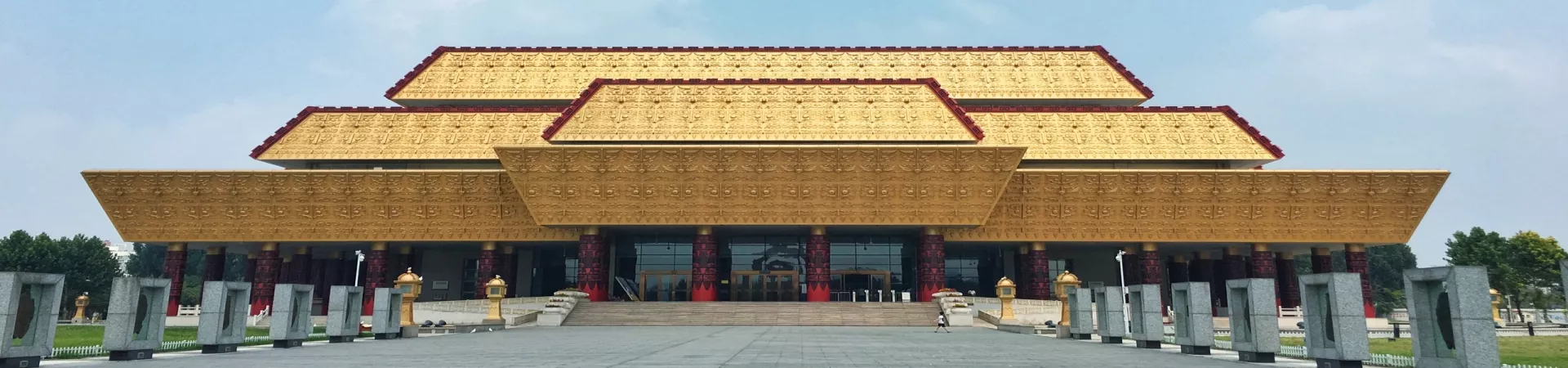
Subtitle: A Journey to the Cradle of Chinese Civilization: The Yin Xu Archaeological Site
1. Introduction: The Cradle of Verified History Nestled in the modern city of Anyang, in China's Henan Province, lies Yin Xu, the Yin Ruins. This is not merely an archaeological site; it is the foundational cornerstone of Chinese historiography. As the confirmed capital of the late Shang Dynasty (c. 1600-1046 BCE), Yin Xu holds the distinguished title of the first capital city in Chinese history to be conclusively verified through archaeological evidence and textual records. Its discovery and systematic excavation, initiated in 1928, fundamentally reshaped the understanding of early Chinese civilization, moving the Shang Dynasty from the realm of legend into the light of verified history. This monumental significance was officially recognized when it was ranked first among China's "100 Major Archaeological Discoveries of the 20th Century." A visit to Anyang is profoundly incomplete without a pilgrimage to Yin Xu, an immersive encounter that allows one to witness the grandeur, sophistication, and spiritual world of China's first historically documented dynasty.
2. The Archaeological Tapestry: Unearthing a Civilization The site of Yin Xu spans a vast area, offering a complex urban blueprint of palaces, ancestral shrines, royal tombs, workshops, and residential districts. The excavations have yielded an astonishingly rich and diverse collection of cultural relics, each category shedding light on different facets of Shang society.
2.1. The Bronze Age Zenith: Ritual, Power, and Craftsmanship The Shang Dynasty is synonymous with the pinnacle of Chinese bronze casting, and Yin Xu is its ultimate showcase. The site has produced a staggering array of bronze vessels, weapons, and musical instruments. These were not mere utilitarian objects but sacred vessels central to state rituals and ancestor worship, symbolizing political power and divine mandate.
- 2.1.1. The Simuwu Rectangular Ding: An Icon of Majesty The most celebrated single artifact from Yin Xu, and indeed from all of ancient China, is the Simuwu Rectangular Ding. This colossal ritual food vessel, weighing an astounding 875 kilograms, is the largest and heaviest ancient bronze piece ever discovered in the world. Its sheer size speaks to the immense resources and unparalleled technical skill commanded by the Shang royal house. The intricate motifs of taotie (mythical glutton) masks and other iconography cast onto its surface represent a complex symbolic language connecting the kingly realm with the spiritual world.
2.2. Beyond Bronze: A Society in Jade, Bone, and Oracle While bronze captures the spotlight, other materials provide equally vital insights.
- 2.2.1. Oracle Bones: The Dawn of Chinese Script Perhaps the most historically significant finds are the oracle bones, primarily turtle plastrons and ox scapulae. Used for pyromantic divination, these bones bear the earliest known form of systematic Chinese writing. The inscriptions record inquiries to royal ancestors about topics ranging from weather and harvests to military campaigns and illnesses, providing an invaluable, direct textual window into Shang politics, economy, religion, and daily life.
- 2.2.2. Jade and Ritual Elegance Numerous exquisite jade artifacts, including ceremonial blades, pendants, and ornaments, have been unearthed. Revered for its beauty and perceived spiritual qualities, jade was integral to rituals and signified high status, demonstrating the Shang elite's refined aesthetic sensibilities.
- 2.2.3. Craftsmanship in Stone and Bone A wide variety of stone and bone implements and artifacts, from tools and weapons to hairpins and decorative items, illustrate the daily life, craftsmanship, and material culture of the broader Shang population beyond the royal court.
3. Key Structures and Features of the Site Exploring Yin Xu, visitors encounter several meticulously preserved or reconstructed areas.
3.1. The Palace and Ancestral Temple Complex This area forms the political and ceremonial heart of the capital. The foundations of large-scale palatial structures and temple altars are visible, outlining the architectural grandeur where kings ruled and conducted sacred rites to communicate with their ancestors and gods.
3.2. The Royal Tombs The tomb of Fu Hao, consort of King Wu Ding, is a highlight. Unlike other major royal tombs at Yin Xu which were looted in antiquity, Fu Hao's tomb was discovered intact. Its contents—over 1,600 artifacts including bronze, jade, and bone objects—offer an unparalleled, undisturbed snapshot of the wealth and status of a Shang royal figure, confirming historical accounts of her remarkable role as a military general and priestess.
3.3. The Yin Xu Museum Located on-site, the museum is an essential complement to the outdoor ruins. It houses and contextually displays a vast selection of the most important artifacts recovered from Yin Xu, including exquisite bronzes, oracle bone inscriptions, and jades. Thematic exhibitions delve deeper into Shang society, technology, and beliefs.
4. Practical Visitor Information To plan an effective visit to Yin Xu, the following practical details are crucial.
4.1. Ticket Information * Standard Ticket: 70 RMB (applicable year-round, Monday to Sunday). * Free Admission: Children under 1.4 meters in height; seniors aged 60 and above upon presentation of a valid ID (e.g., passport). * Important Note: The above information is for reference. Ticket prices and policies are subject to change; it is always advisable to verify with the official ticket office on the day of your visit.
4.2. Opening Hours * The site is generally open from 08:00 to 18:00 daily. * Last admission typically ceases at 17:30. * These hours apply throughout the year (January 1st to December 31st, Monday to Sunday), but temporary adjustments for maintenance or special events are possible.
4.3. Suggested Duration and Logistics * Recommended Visit Duration: To thoroughly explore the main archaeological areas, the museum, and key tombs, a minimum of 2 to 3 hours is advisable. History enthusiasts may wish to allocate half a day or more. * Contact: For specific inquiries, you may contact the site at 0372-3161022 or 0372-3932171.
A journey through Yin Xu is more than a tour of ancient ruins; it is a walk through the very origins of recorded Chinese history, where the material remains of a powerful dynasty continue to tell its story over three millennia later.