Taihang Ridge Scenic Area
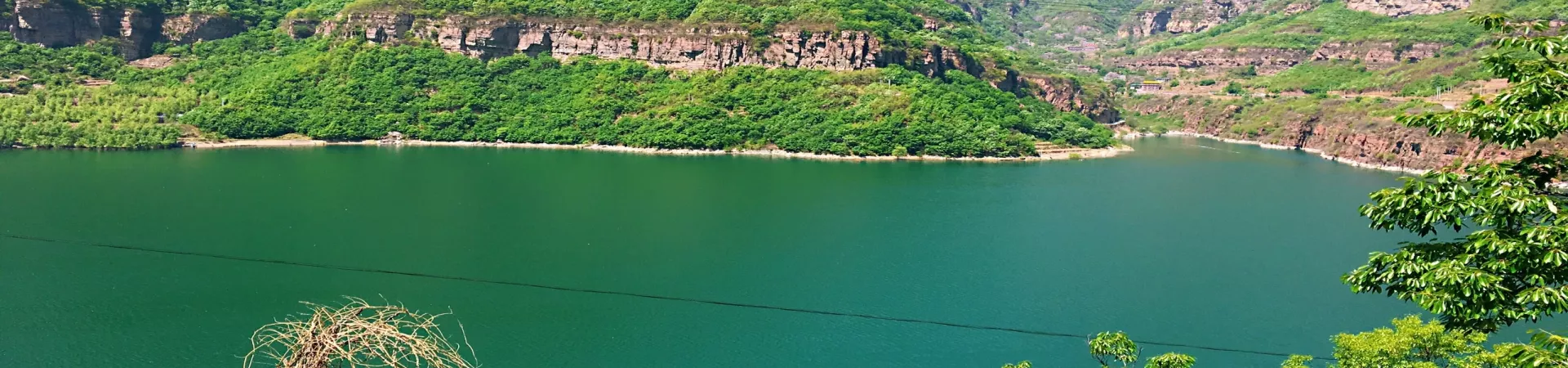
Subtitle: A Journey Through Natural Splendor and Ancient Echoes in the Heart of the Taihang Mountains
1. Introduction: The Crown of the Taihang Range Nestled within the formidable and poetic Taihang Mountain range in Anyang, Henan Province, the Taihang Wuji Scenic Area stands as a majestic testament to nature's artistry and China's enduring historical spirit. More than just a landscape, it is a designated base for Chinese painting and sketching, capturing the hearts of artists and travelers alike. Alongside its famed neighbors—Wangxiang Rock, Peach Blossom Valley, and the Red Flag Canal—it forms a spectacular and uniquely beautiful scenic belt, offering a profound journey from serene waters to towering peaks and deep into the annals of time.
2. The Layered Tapestry of Natural Beauty
2.1. Gateway from Tranquility: The Taihang Pinghu Lake The journey into Taihang Wuji begins at the broad and tranquil Taihang Pinghu Lake. This serene body of water, acting as a natural mirror to the sky, provides a gentle, reflective prelude to the dramatic landscapes ahead. Visitors stepping from its quiet shores into the core of the scenic area are immediately greeted by a world where lush greenery embraces countless mountain ridges. The air is fresh, scented with pine and earth, setting the stage for an immersive natural experience.
2.2. A Verdant Symphony of Peaks and Valleys As one ventures deeper, the true grandeur of Taihang Wuji unfolds. The scenery is characterized by its striking combination of rugged majesty and delicate beauty. Towering cliffs and majestic rock faces speak of the mountain's ancient strength, while dense forests paint the slopes in endless shades of green. Throughout the seasons, a diverse array of flowers and meticulously nurtured trees add splashes of color and texture, creating a living, breathing canvas that changes from spring blossoms to autumn's fiery hues. This is not merely a view; it is an enveloping environment where every path offers a new perspective on the harmonious yet powerful dialogue between rock, forest, and sky.
3. The Depths of History and Human Spirit
3.1. An Imperial Refuge and a Seeker's Sanctuary Beyond its physical beauty, Taihang Wuji is steeped in layers of human history that add profound depth to the visit. This land has been a sanctuary for centuries. It served as a remote hiding place for Emperor Guangwu of the Eastern Han Dynasty, Liu Xiu, who sought refuge here during times of turmoil. Centuries later, during the Ming Dynasty's Jiajing reign, the area's secluded atmosphere attracted Taoist alchemists and practitioners who came to refine elixirs and cultivate spiritual practices amidst the pure mountain energy. These stories transform the tranquil valleys and quiet caves into echoes of imperial strategy and mystical pursuit.
3.2. A Bastion of Modern Heroism The mountains also played a crucial, earthbound role in modern Chinese history. During the War of Resistance Against Japan, the Eighth Route Army utilized the area's complex topography as a secure storage site for military grain supplies. This chapter of resilience and ingenuity connects the ancient landscape directly to the 20th century's struggles, showcasing the Taihang Mountains not just as a backdrop for myth or retreat, but as an active protector and sustainer of the people.
3.3. From Mythological Heartland to Celebrated Destination The region's narrative foundation is rooted in the very bedrock of Chinese legend. The Taihang Mountains are intrinsically linked to the myth of "The Foolish Old Man Who Moved the Mountains" (Yugong Yishan), a parable of perseverance, and are often associated with the creation tales of deities like Nüwa and Fuxi. This mythological heritage imbues the landscape with a timeless, archetypal power. Today, through dedicated preservation and development, Taihang Wuji has successfully transitioned from being a locale of regional folklore to a nationally and internationally recognized natural scenic area, frequently mentioned in the same breath as iconic destinations like Jiuzhaigou for its unspoiled beauty and cultural significance.
4. Essential Visitor Information
4.1. Admission and Operating Hours A visit to Taihang Wuji requires some planning due to seasonal variations. The scenic area operates on a dual schedule: * Winter Hours (November 1 - March 31): Open from 08:00 to 17:00, with last admission at 14:30. * Summer Hours (April 1 - October 31): Open from 08:00 to 18:30, with last admission at 15:00. It is highly advisable to arrive early to fully appreciate the vastness of the area without haste.
4.2. Ticketing and Value Admission is structured as a scenic area pass priced at 70 RMB per person. This pass is comprehensive, including the entrance ticket (60 RMB) and a mandatory round-trip shuttle bus fee (10 RMB). The shuttle service is essential for accessing the core scenic spots from the entrance, ensuring both convenience for visitors and minimal environmental impact within the fragile ecosystem.
4.3. Planning Your Visit A thorough exploration of Taihang Wuji is a commitment to immersion. Visitors should allocate a minimum of 3 hours on-site, though a half-day or more is recommended for those wishing to hike the trails, contemplate the vistas, and absorb the historical ambiance fully. Comfortable walking shoes, weather-appropriate clothing, and water are necessities. For any specific inquiries or to confirm details before your trip, you may contact the scenic area at 0372-6082789.