Red Flag Canal Memorial Hall
Subtitle: A Monument to Human Resolve: Exploring the Hongqi Canal Memorial Museum in Anyang
1. Introduction: The Legacy Carved in Stone
Nestled in the ancient city of Anyang, a cradle of Chinese civilization, stands a monument not to emperors or deities, but to the unyielding spirit of ordinary people. The Hongqi Canal (Red Flag Canal) Memorial Museum is far more than a collection of artifacts; it is a profound narrative in concrete, rock, and historical testimony. It chronicles one of the most extraordinary feats of modern Chinese engineering and collective will—the decade-long construction of the Hongqi Canal. This museum serves as the definitive portal into understanding how the people of Linzhou (formerly Lin County), facing catastrophic drought and poverty, chose to defy geography and fate. By rerouting the waters of the Zhang River through the treacherous Taihang Mountains, they not only irrigated their arid land but also forged an enduring symbol of perseverance, ingenuity, and the transformative power of human determination. A visit here is a journey into the heart of a story where hardship met heroism, reshaping both a landscape and a people's destiny.
2. The Historical Crucible: Why the Canal Was Forged
2.1. A Land Parched by Nature To appreciate the magnitude of the achievement, one must first understand the desperation that birthed it. For centuries, the region of Linzhou was plagued by severe water scarcity. The local saying, "Water is more precious than oil," was a grim reality, not a metaphor. Rainfall was erratic and insufficient. The few natural springs and wells were utterly inadequate for agriculture and daily life. Chronic drought led to frequent crop failures, famine, and mass exodus. The people's lives were perpetually held hostage by the whims of the weather, leaving them in a cycle of inescapable poverty.
2.2. The Audacious Decision In 1960, amidst national challenges, the local party committee and government of Lin County made a decision that seemed to border on madness: to build a canal that would bring water from the distant Zhang River across the formidable Taihang Mountains. With no modern heavy machinery, limited technical expertise, and scarce resources, the plan relied almost entirely on human labor. It was a declaration of war against nature, driven by the simple, powerful belief that survival and a better future had to be carved out with one's own hands. This decision marked the beginning of a legendary struggle.
3. The Decade-Long Struggle: How the Mountain Was Moved
3.1. Mobilization and Sacrifice The construction, which lasted from 1960 to 1969, mobilized over 300,000 local farmers. They formed work brigades, leaving their homes for months at a time to live in crude shelters along the projected 70-kilometer main canal route. With basic tools—hammers, chisels, drills, baskets, and sheer physical strength—they began the Herculean task. The workforce included men and women, young and old, all united by a common cause. Stories abound of individuals working perilous shifts on cliff faces, of engineers devising ingenious solutions on-site, and of a community sharing every hardship and minor triumph.
3.2. Engineering Against the Odds The engineering challenges were staggering. The canal path required cutting through 1,250 peaks and constructing 151 tunnels and 124 aqueducts. One of the most famous sections, the "Youth Tunnel," was dug through a solid quartz cliff by a team of 300 young people working in shifts around the clock for 17 months. The museum meticulously details these technical hurdles and the innovative, often improvised, methods used to overcome them. It showcases the primitive tools, explains the surveying techniques of the time, and highlights the tragic cost: official records state 81 workers lost their lives, with many more injured, during the construction.
4. The Museum Experience: A Multifaceted Tribute
4.1. Architectural Symbolism and Layout The museum's architecture itself is symbolic, often incorporating design elements that echo the canal's structure. The visitor's path through the exhibition halls is designed to mirror the canal's journey, guiding one from the depths of historical hardship up through the struggle to the final, life-giving flow of success. The space is both solemn and inspiring, setting the tone for reflection.
4.2. Core Exhibition Halls * Hall of Historical Suffering: This section uses powerful dioramas, historical photographs, and statistical data to viscerally depict the pre-canal era of drought. Recreated scenes of barren fields and villagers trekking miles for a bucket of muddy water make the past palpable. * Hall of Magnificent Construction: The heart of the museum. It features an extensive array of original construction tools—worn-down hammers, frayed ropes, handmade baskets—along with dynamic large-scale models, topographic maps, and immersive multimedia presentations that recreate the sights and sounds of the construction sites. Photographic walls capture the determined faces of the builders. * Hall of Great Achievements: Here, the focus shifts to the transformation. Aerial photographs and satellite images show the green, fertile land the canal created. Displays highlight the dramatic increase in agricultural output, the rise in local GDP, and the improvement in living standards. It presents the canal as a living, functioning system that continues to benefit industry, agriculture, and tourism today. * Hall of the Canal Spirit: This contemplative space distills the project's intangible legacy. It defines the "Hongqi Canal Spirit" as "Self-reliance, Hard Struggle, Unity and Cooperation, and Selfless Dedication." Through quotes, survivor testimonies (available via audio stations), and artistic interpretations, it explores how this collective experience shaped the character of a generation and continues to serve as a moral exemplar for the nation.
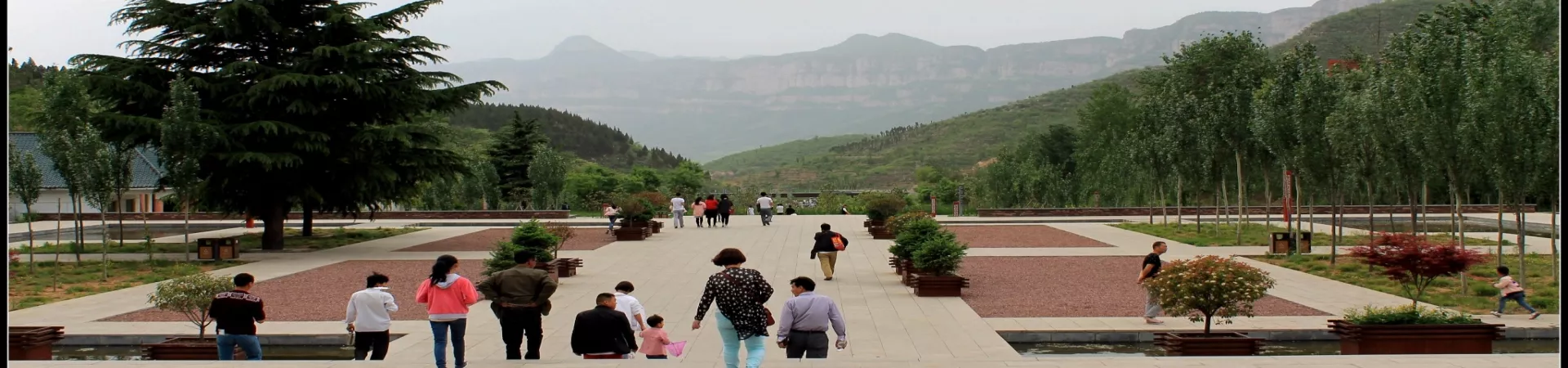
4.3. Supplementary Facilities and Grounds The museum complex typically includes a memorial square, often with sculptures of heroic workers, and a screening room showing documentary films. Many visitors also take the opportunity to visit sections of the actual Hongqi Canal, which runs nearby, to witness the stark reality of the cliffs and aqueducts they have just learned about, making the historical feat even more awe-inspiring.
5. Practical Visitor Information
5.1. Location and Accessibility The Hongqi Canal Memorial Museum is located in Linzhou City, under the administration of Anyang, in northern Henan Province. It is accessible by road from Anyang city center, with the journey taking approximately 1.5 to 2 hours by car or tourist bus.
5.2. Opening Hours and Contact The museum is open to the public daily from 08:00 to 18:00, with the last admission at 18:00. These hours are generally consistent throughout the year. For the most current information, especially regarding holiday schedules or special closures, it is advisable to contact the museum directly at +86 372 6048003.
5.3. Planning Your Visit To fully engage with the extensive narratives and exhibits, a minimum of two to three hours is recommended. Audio guides or the services of a knowledgeable tour guide can greatly enhance understanding of the historical and technical context. The museum's content, while deeply rooted in a specific Chinese historical period, communicates universal themes of resilience that resonate across cultures, making it a compelling destination for both domestic and international visitors seeking to understand a pivotal chapter in human endeavor.