Shitouzhai
Subtitle: A Journey into the Stone Kingdom and Batik Heritage of the Buyi People
Introduction: A Landscape Sculpted in Stone
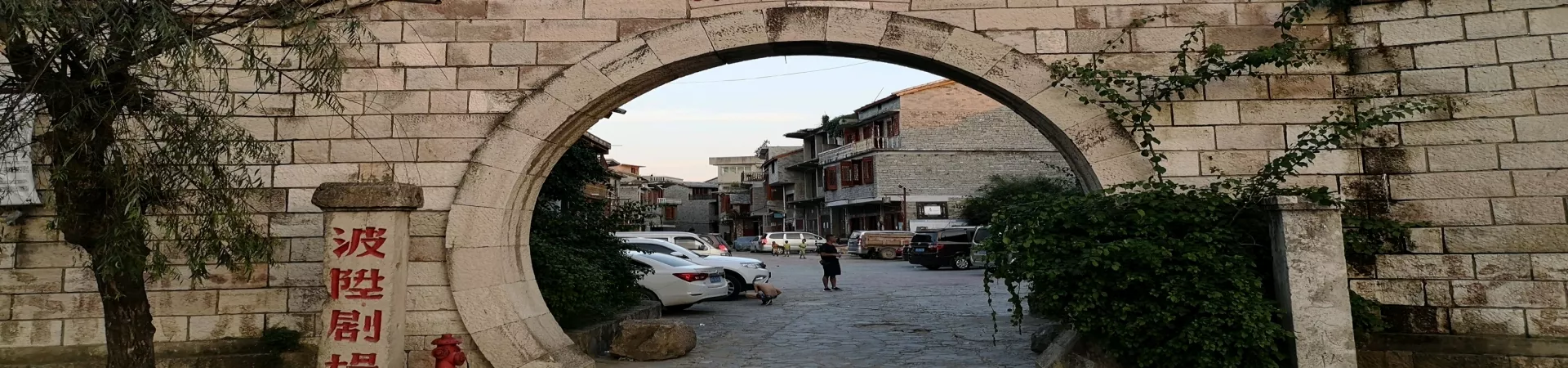
Nestled within the lush, rolling hills of Guizhou Province, not far from the famed Huangguoshu Waterfall, lies Shitouzhai—the Stone Village. More than just a settlement, it is a breathtaking testament to human adaptation and harmony with nature. As your gaze sweeps across the hillside, the village unveils itself not as a cluster of houses, but as a seamless extension of the earth itself. The entire village, from a distance, appears as a cascading tapestry of grey and slate, its structures井然有序地排列着 (orderly arranged) along the contours of the land. This is a realm where stone is not merely a building material; it is the very essence of life, architecture, and art, earning it the well-deserved title of the "Stone Kingdom."
Architectural Marvel: The Anatomy of a Stone Kingdom
2.1. The Symphony of Stone: From Foundation to Roof Upon closer inspection, the absolute dominion of stone becomes awe-inspiring. The axiom "整村整寨不见一砖一瓦" (not a single brick or tile can be seen in the whole village) holds utterly true. The homes are constructed entirely from locally quarried slate and limestone. Walls are meticulously built from stacked stone blocks, windows and doorways are crowned with sturdy stone arches, and most strikingly, the roofs are layered with thousands of flat stone "tiles." These stone shingles, weathered by time, create a beautiful, textured mosaic that changes hue with the sunlight and rain.
2.2. Interior Life and Functional Art The stone narrative continues unabated inside the dwellings. Interior walls and room divisions are also formed from stone, providing natural insulation—cool in the sweltering summers and retaining warmth during damp winters. This stone integration extends far beyond the house walls. The village pathways, the steps connecting different levels of the village, the retaining walls for the terraced fields, the small bridges over streams, and the courtyards' boundaries are all crafted from the same enduring material.
2.3. The Stone Toolkit: Daily Life Preserved Perhaps most fascinating is the translation of stone into the domain of daily domestic life. Traditional household implements within the villagers' homes—the mortar and pestle (碓), the grain mill (磨), basins (钵), troughs (槽), and storage vats (缸)—are predominantly hewn from stone. This creates a living museum of material culture, where every object tells a story of practicality and resilience, offering visitors a profound glimpse into a lifestyle intricately woven with the local geology.
Cultural Heart: The Living Traditions of the Buyi People
3.1. Guardians of Heritage Shitouzhai is not an empty relic; it is a vibrant, living community of the Buyi ethnic minority, recognized as one of the regions in Guizhou where民族风情保存得比较完整 (ethnic customs and traditions are relatively well-preserved). The primary livelihood here remains agriculture, with villagers tending to the surrounding terraced fields and orchards that brim with fruit trees, seamlessly blending economic life with the stunning environment.
3.2. The Batik and Embroidery Legacy Beyond its stone facade, the village holds a softer, more colorful soul. It is renowned as the "Batik Homeland" of the Buyi people. The women of Shitouzhai are celebrated for their extraordinary craftsmanship. Nearly every woman masters the intricate arts of batik (蜡染) and the weaving of colorful Na brocade (织纳锦). Using beeswax and indigo dyes, they create stunning blue-and-white fabrics featuring intricate patterns inspired by nature, folklore, and geometric shapes. The sight of artisans飞针走线 (flying needles and moving threads) is as integral to the village's atmosphere as its stone walls. Visitors often have the opportunity to witness this process firsthand and acquire these exquisite handmade textiles as unique souvenirs.
Practical Information for the Visitor
4.1. Location and Transportation Shitouzhai is conveniently located approximately a 10-minute drive from the core Huangguoshu Scenic Area. The most straightforward route is to travel from the Huangguoshu Tianxingqiao Scenic Spot. A private car or taxi for this short journey may cost around 50 CNY. Alternatively, for a more local experience, you can take a frequent bus from Anshun's temporary East Bus Station to Zhenning County for about 5 CNY, and from there arrange local transport to the village.
4.2. Visiting Details * Ticket: Access to the village itself is generally unrestricted. * Opening Hours: The village is open to visitors all day, every day, throughout the year. * Suggested Duration: To fully appreciate the architecture, observe the artisans at work, and wander the stone-paved lanes, a visit of 1 to 3 hours is recommended.
4.3. The Surrounding Canvas The village's beauty is magnified by its natural setting. Behind the settlement, hills are covered with茂林修竹 (dense forests and elegant bamboo groves). Within the village compounds,茂枝果树 (lush fruit trees) add splashes of green and seasonal color. This harmonious blend of formidable stone structures and vibrant, delicate nature creates a landscape that is both powerful and秀丽迷人 (beautifully charming), promising an unforgettable journey into the heart of Buyi culture and ancient architectural ingenuity.