Jiuzhou Ancient Town
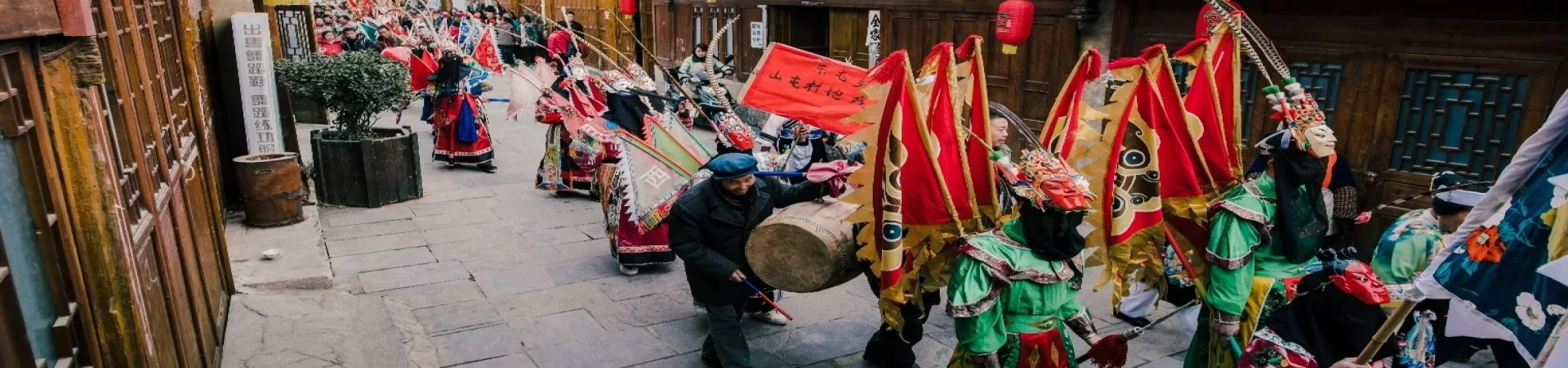
Subtitle: A Journey Through Time in Guizhou's Ancient Town
1. Introduction: The Gateway to a Bygone Era
Nestled amidst the rolling hills and karst landscapes of Guizhou Province, the ancient town of Jiuzhou in Anshun stands as a serene testament to China's rich historical tapestry. Unlike the bustling commercial hubs that many ancient towns have become, Jiuzhou offers a more tranquil, authentic window into the past. Founded during the Ming Dynasty, its history is intricately linked to the military garrisons and the strategic post routes of imperial China, serving as a crucial station for troops and a center for local administration. Today, it invites visitors to step away from the rapid pace of modern life and wander through centuries-old streets where time seems to have gently slowed. This guide delves into the essence of Jiuzhou Ancient Town, exploring its historical significance, architectural charm, cultural offerings, and practical visitor information to help you plan a fulfilling journey.
2. Historical Significance and Cultural Heritage
2.1. Origins as a Military Garrison Jiuzhou's story begins in the early Ming Dynasty (circa 1380 AD), when it was established primarily as a tunbao—a military garrison town. This was part of a broader strategy by the Ming court to consolidate control over the southwestern frontiers, including Guizhou. Soldiers stationed here were also tasked with farming the land, creating a self-sufficient community. This military origin is a defining thread in the town's character, influencing its layout and the resilient spirit of its ancestors.
2.2. A Hub on the Ancient Post Road The town's importance was further cemented by its location on a significant ancient post road connecting Yunnan to the central plains. For centuries, it thrived as a vital relay station for official couriers, merchants, and travelers. This flow of people and ideas brought prosperity and cultural exchange, allowing Jiuzhou to develop into a well-known market town where local products like tea, cloth, and handicrafts were traded.
2.3. Preservation of Local Customs Despite the passage of time, Jiuzhou has preserved many intangible cultural heritage elements. The local dialect, traditional festivals, and folk customs retain distinct characteristics. Visitors might encounter remnants of local operas or storytelling traditions that have been passed down through generations, offering a glimpse into the enduring cultural soul of the community beyond its physical structures.
3. Architectural Landscape and Town Layout
3.1. The Ming and Qing Dynasty Streetscapes The core charm of Jiuzhou lies in its exceptionally well-preserved architecture from the Ming and Qing dynasties. The town's layout follows a traditional plan, with a main street running through its heart, flanked by narrow, winding lanes.
3.2. Key Architectural Features * Wooden Structured Houses: The majority of the buildings feature classic wooden frameworks, grey-tiled roofs, and white-washed gable walls. Elaborately carved wooden windows, doors, and eaves brackets showcase the craftsmanship of the era. * Tianjing (Sky Wells): Many residential compounds are built around central courtyards or "sky wells," which provide light, ventilation, and a private outdoor space for families, reflecting traditional Chinese architectural philosophy. * Temples and Guildhalls: Scattered throughout the town are historical sites such as ancient temples, ancestral halls, and guildhalls built by merchant groups from other provinces. These structures, often more ornate, speak to the town's former commercial vitality and religious life.
3.3. The Overall Ambiance The absence of overwhelming commercialization is Jiuzhou's greatest asset. The streets are paved with worn stone slabs, and the atmosphere is one of quiet authenticity. It is a living town where residents go about their daily lives, adding to its genuine, unpretentious appeal rather than detracting from it.
4. Visitor Experience and Practical Information
4.1. Immersive Activities for Visitors A visit to Jiuzhou is best enjoyed as a slow, immersive experience. * Leisurely Exploration: Simply meandering through the labyrinth of old streets is the primary activity. Observe the architectural details, peek into quiet courtyards, and feel the texture of history. * Local Cuisine: Sample authentic Guizhou and Anshun local dishes at small family-run eateries. Specialties may include various rice noodle dishes, cured meats, and locally produced fermented foods. * Handicraft Observation: Look for artisans practicing traditional crafts, such as bamboo weaving or local embroidery, often sold as simple souvenirs.
4.2. Essential Practical Details * Admission Fee: Entrance to Jiuzhou Ancient Town is free of charge. Visitors can freely explore the public streets and lanes. (Note: Price information is for reference only; please verify with official sources on the day of your visit.) * Opening Hours: The town is accessible 24 hours a day, every day of the year. The experience varies greatly between day and night. Daytime offers the best light for photography and seeing details, while the early morning or evening provides a more atmospheric, peaceful stroll as the town is bathed in soft light and lanterns begin to glow. * Suggested Duration: It is recommended to allocate 1 to 3 hours for a thorough visit. This allows ample time for a relaxed walk, some photography, and perhaps a simple meal or tea break without feeling rushed. * Contact Information: For any specific inquiries, you may contact the local tourism information at 0851-33287000.
4.3. Planning Your Visit Jiuzhou Ancient Town is located approximately 30 kilometers from downtown Anshun. It can be conveniently visited as a half-day or day trip from Anshun city, which itself is a major transport hub with access to the Huangguoshu Waterfall and other attractions. Combining a visit to Jiuzhou with other sites in the Anshun region provides a comprehensive look at both the natural wonders and historical depth of this part of Guizhou. The town's quiet charm serves as a perfect cultural counterpoint to the region's spectacular natural scenery.