Huangguoshu Scenic Area - Tianxingdong Scenic Area
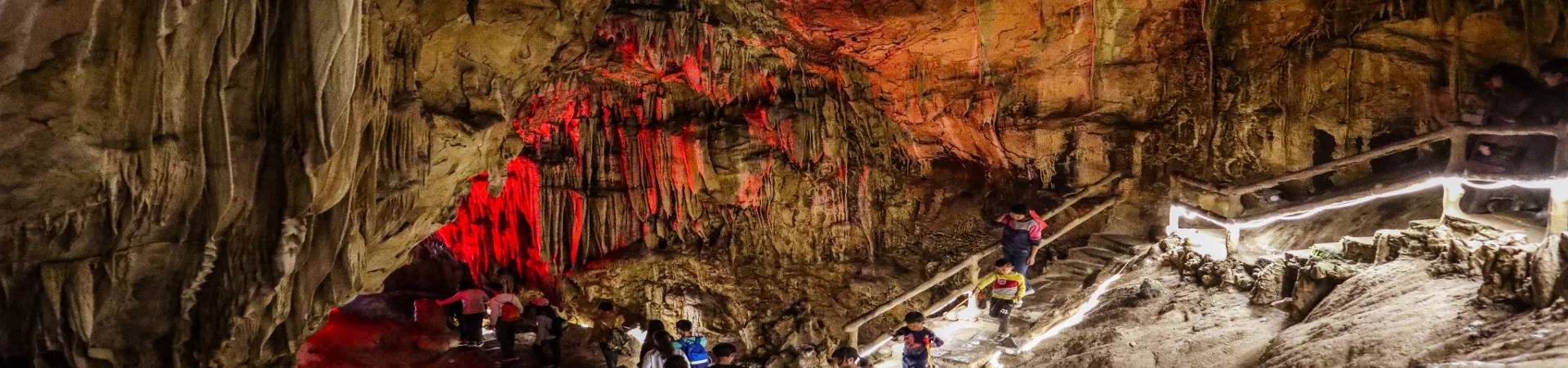
Subtitle: A Journey into the Heart of Karst Wonder: Exploring Tianxing Cave
1. Introduction to the Tianxing Cave Scenic Area Nestled within the middle section of the renowned Tianxing Bridge Scenic Area in Huangguoshu, Tianxing Cave stands as a magnificent testament to nature's patient artistry. This captivating area is not a single attraction but a cohesive landscape ensemble, seamlessly integrating natural bridges, unique rock formations, tranquil pools, and the crown jewel itself—the cave. Key components of this scenic zone include the Eighty-Eight Bridge, Huiwang Stone, the narrow Xia Shi Bridge, the awe-inspiring Tianxing Cave, and the bubbling Maoshui Tan (Gushing Water Pool). The area offers a concentrated and diverse experience of the region's karst topography, where every turn reveals a new geological marvel, leading visitors on a journey from sun-drenched stone forests into the cool, mysterious depths of an ancient subterranean world.
2. Geological Formation and Historical Context 2.1. From Underground River to Dry Cavern The story of Tianxing Cave begins with powerful hydrological forces. It originated as an active underground river, a hidden conduit tirelessly sculpting the limestone bedrock over millennia. The cave's present state is the result of a significant geological shift. As the regional erosion base level (the "excretion surface") lowered, the subterranean watercourse eventually found a new, lower path. This diversion abandoned the original tunnel, leaving behind a dry, spacious cavity—a fossilized snapshot of the river's former passage. This transition from a dynamic waterway to a static chamber allowed for the next phase of creation: the slow, drip-by-drip formation of spectacular speleothems.
2.2. The Naming Convention Following the local naming tradition, the cave was christened "Tianxing," directly extending the name of its parent landscape, the Tianxing Bridge area. This nomenclature creates a sense of continuity and place, linking the above-ground and below-ground wonders into a single, coherent natural narrative.
3. Exploring the Depths of Tianxing Cave 3.1. Structural Layout and Grand Scale Tianxing Cave is architecturally impressive, characterized by a vast main hall complemented by several smaller side chambers. This layout provides a sense of exploration and discovery as visitors move from the expansive central space into more intimate galleries. The sheer scale is immediately humbling, most notably demonstrated by four colossal stone pillars, each towering over 20 meters high. These massive structures serve as the cathedral's columns, underpinning the cavern's grandeur and offering a striking perspective on the immense time scales involved in their creation.
3.2. A Gallery of Natural Sculptures The true glory of Tianxing Cave lies in its breathtaking array of speleothems—stalactites, stalagmites, stone columns, flowstones, and helictites. Formed by the continuous deposition of calcium carbonate from mineral-rich water seeping through the rock, these formations have adopted an infinite variety of shapes, textures, and colors. The play of carefully placed lighting illuminates their crystalline structures, revealing hues of amber, cream, gray, and russet, creating a surreal, dreamlike atmosphere.
3.3. Iconic Formations and Interpretive Landscapes Local imagination has given names to the most striking formations, weaving cultural stories into the geological tapestry. Among the most celebrated sights are: * Carp Leaping over the Dragon Gate: A dynamic formation symbolizing perseverance and success. * The Eight Immortals Crossing the Sea: A group of stalagmites resembling the legendary Taoist figures. * A Beauty Combing Her Hair: An elegantly shaped flowstone evoking a graceful silhouette. * Stone Rooster Crowing at Dawn: A pointed stalagmite reminiscent of a crowing cock. * Terraced Fields of the Miao Mountains: Striated flowstone formations that perfectly mimic the region's iconic agricultural landscapes. * The General's Helmet: A robust, dome-shaped stalactite complex. These evocative names guide the visitor's eye, transforming abstract shapes into familiar scenes and enriching the exploration with a layer of cultural folklore.
4. Practical Visitor Information 4.1. Location and Transportation Tianxing Cave is an integral part of the Huangguoshu Scenic Area in Anshun, Guizhou Province. The most straightforward access is via the dedicated "Anshun to Huangguoshu" tourist bus from Anshun's South Bus Station, which terminates at the Huangguoshu Ticket Hall. From the main Huangguoshu waterfall area, regular shuttle buses or mid-sized coaches make the short 20-minute journey to the Tianxing Bridge section, where the cave entrance is located.
4.2. Ticketing and Opening Hours Admission to Tianxing Cave is included in the all-encompassing through-ticket for the Huangguoshu Waterfall Scenic Area. There is no separate entrance fee for the cave itself. Operating hours vary seasonally: * Peak Season (March 1 - November 30): 07:00 - 19:00 * Off-Peak Season (December 1 - February 28/29): 07:30 - 19:00 It is always advisable to confirm the latest schedule before your visit, as times may be subject to change.
4.3. Suggested Duration and Contact A comprehensive visit to the Tianxing Cave and its surrounding scenic points typically requires 1 to 3 hours, allowing for a leisurely pace to appreciate both the subterranean wonders and the surface landscapes. For direct inquiries, you may contact the scenic area at: +86 851 33596663.
Information last updated: January 10, 2023. Credit and thanks to contributing editor: A Very Cool Name.