Zhenfeng Tower
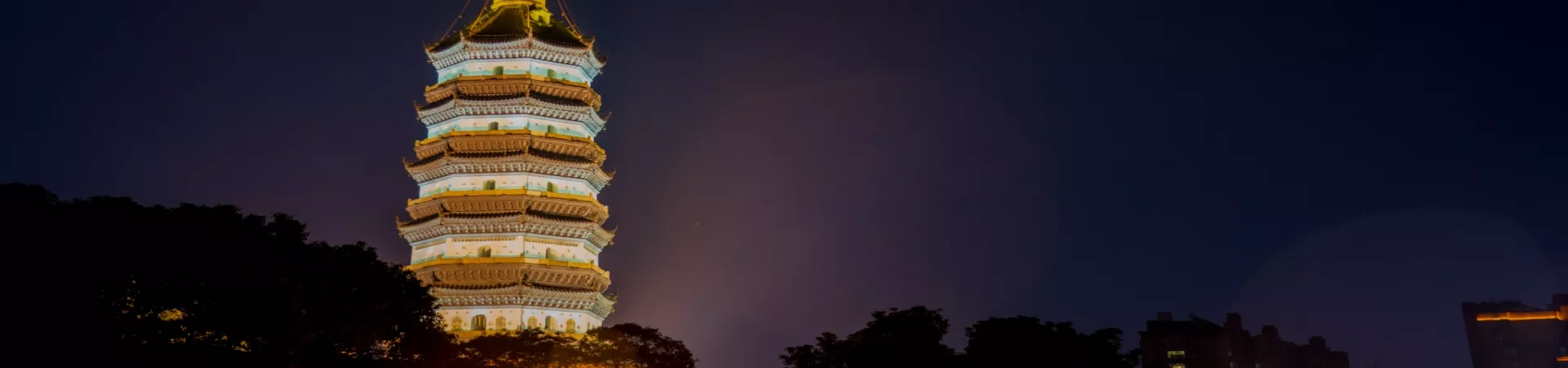
Subtitle: An Architectural Marvel Overlooking the Yangtze River
1. Introduction: The Sentinel of the Yangtze
Rising majestically from the banks of the mighty Yangtze River in Anqing City, Anhui Province, the Zhenfeng Pagoda stands as a timeless sentinel and an undisputed architectural icon. This seven-story pagoda, the tallest and largest of its kind along the entire stretch of the Yangtze River Basin, has commanded awe and admiration for centuries. It is celebrated through two enduring accolades: "The First Pagoda on the Ten-Thousand-Mile Yangtze River" and the local saying, "After seeing Anqing, no other pagoda need be mentioned." More than just a religious structure, Zhenfeng Pagoda represents the zenith of ancient Chinese pagoda architecture, embodying profound historical depth, exceptional artistic beauty, and remarkable scientific ingenuity.
2. Architectural Grandeur and Historical Significance
2.1. A Synthesis of Millennia of Design The Zhenfeng Pagoda is not merely a building; it is a conscious and masterful culmination of China's pagoda architectural arts developed through successive dynasties. Its designers did not simply replicate past forms but meticulously studied and integrated the quintessential national characteristics of ancient Chinese architecture. They then innovated upon this rich heritage, refining and elevating the design to create something both familiar and groundbreaking. This intentional synthesis makes the pagoda a living textbook of architectural evolution, showcasing the progression of style, technique, and spiritual symbolism in Chinese Buddhist construction.
2.2. Distinctive Design and Structural Novelty What sets the Zhenfeng Pagoda apart is its unique and ingenious design. It is renowned for its exquisite craftsmanship, distinctive shape, and novel structural concepts. Unlike many traditional pagodas, its form presents a harmonious yet bold silhouette against the Anqing skyline. The pagoda's structure demonstrates advanced understanding of balance, weight distribution, and resilience, allowing it to withstand the test of time and the elements beside the powerful river. This blend of aesthetic elegance and engineering prowess secures its unique position within the pantheon of Chinese pagodas, making it a singular subject of study for architects and historians alike.
3. A Visitor's Practical Guide
3.1. Location and Access The Zhenfeng Pagoda is situated within the grounds of the historic Yingjiang Temple, a key landmark in Anqing. Its riverside location offers breathtaking panoramic views of the Yangtze, making the journey part of the experience.
- Public Transportation: The site is well-connected by Anqing's bus network. Multiple bus lines stop near Yingjiang Temple, including routes 10, 13, 14, 18, 1, 21, 3, 7, as well as the night bus lines 14 and 7. Visitors can easily reach the pagoda from various points in the city.
3.2. Admission and Opening Hours Visiting the pagoda involves a simple two-tiered ticket system, offering flexibility for visitors.
- Admission Fees:
- Temple Entrance (Incense Fee): 10 RMB. This grants access to the Yingjiang Temple complex.
- Pagoda Ascent Fee: An additional 10 RMB for those who wish to climb the pagoda's interior. The climb is highly recommended, as the ascending views from each level are progressively spectacular.
- Operating Hours: The pagoda and temple complex are open to visitors all day, every day, throughout the year (January 1st to December 31st, Monday through Sunday). This allows for flexible scheduling, whether for a morning visit, a sunset view over the Yangtze, or an evening stroll.
4. The Experience: More Than a Monument
4.1. The Ascent and the View The true essence of the Zhenfeng Pagoda is unlocked by the physical act of climbing it. The interior staircase, often narrow and winding, leads visitors on an upward journey through history. Each of the seven stories offers a different perspective, both architecturally and visually. Small windows and arched doorways frame ever-expanding vistas of the Yangtze River—a constant, flowing companion to the pagoda's static grandeur. Reaching the top provides an unparalleled, sweeping view of the river, the city of Anqing, and the surrounding landscape, a reward that fully justifies its legendary status.
4.2. Cultural and Spiritual Resonance While its architectural and historical values are paramount, the pagoda remains a vibrant center of cultural and spiritual activity. As part of the Yingjiang Temple, it is a place where worship, tradition, and tourism intersect. The scent of incense, the sound of temple bells, and the murmured prayers of devotees add a rich, sensory layer to the visit. The pagoda itself, originally built to enhance the feng shui of the region and to "steady the wind" (Zhenfeng) for passing boats, is imbued with layers of meaning—from practical blessing to spiritual symbol.
4.3. Planning Your Visit A visit to the Zhenfeng Pagoda typically requires 1 to 3 hours, depending on your pace. This allows sufficient time to appreciate the temple grounds, climb the pagoda at a leisurely pace, absorb the views from each level, and spend moments in quiet reflection. It is advisable to wear comfortable shoes suitable for climbing stairs. The best times for photography are often early morning or late afternoon, when the light softens the ancient bricks and casts long shadows over the Yangtze. For any inquiries during your visit, the temple complex can be contacted at 0556-5583310.