Tongcheng Confucian Temple
Subtitle: A Journey Through Time: Unveiling the Architectural and Cultural Legacy of Tongcheng Confucian Temple
Nestled within the historic city of Tongcheng, Anqing, lies a tranquil sanctuary of classical architecture and profound cultural significance—the Tongcheng Confucian Temple. While modest in its overall scale, this temple complex offers visitors an intimate and deeply rewarding exploration of Ming and Qing-era craftsmanship, scholarly traditions, and local history. Its story is one of resilience, having been originally founded in 1314 during the Yuan Dynasty, only to be destroyed in the warfare that marked the dynasty's tumultuous end. Reborn in the early Hongwu period of the Ming Dynasty (circa late 14th century) at its present location, the temple has since stood as a enduring symbol of the region's reverence for education and Confucian philosophy.
Architectural Harmony and Key Features The temple's layout follows traditional Confucian temple design principles, creating a serene and ordered space that guides visitors on a symbolic journey. The beauty of Tongcheng Confucian Temple is profoundly evident in the exquisite details of its individual components, where stone, wood, and calligraphy converge to create a cohesive artistic statement.
The Lingxing Gate and Stone Drum Masterpieces The approach to the temple is often marked by the Lingxing Gate, the ornate primary gateway. Flanking this entrance or positioned within the courtyard, one finds the temple's celebrated stone drums. These are not mere decorations but highly prized artifacts. Carved from solid stone, their surfaces are adorned with intricate reliefs depicting symbolic creatures like dragons and phoenixes, or auspicious patterns. The craftsmanship reflects a high level of skill, with flowing, dynamic lines that give the heavy stone a sense of vitality and grace. These drums served both a ceremonial function and as a testament to the community's dedication to creating a space of refined beauty worthy of scholarly pursuit.
A Forest of Inscriptions: Plaques and Couplets Walking through the temple, one is enveloped by a silent dialogue of inscriptions. Elaborately carved wooden plaques and poetic couplets hang from beams and doorframes. These often bear characters written by or dedicated to respected local scholars, officials, and luminaries. The calligraphy itself is an art form, ranging from powerfully bold strokes to elegantly delicate scripts. The texts typically express core Confucian virtues—such as righteousness, benevolence, and loyalty—or offer praises for the pursuit of knowledge. Each plaque adds a layer of historical and literary depth, connecting the physical structure to the intellectual legacy it was built to honor.
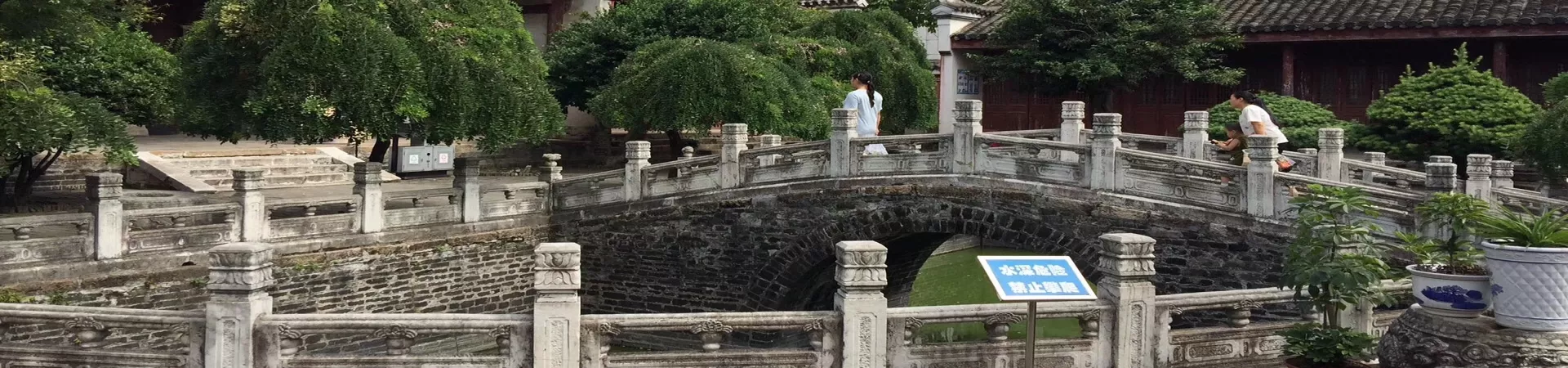
The Symbolic Bridge and Courtyard Layout At the heart of the temple complex, often spanning a small pond or water feature, lies an elegant arch bridge. This is far more than a functional crossing; it is rich in symbolism. In Confucian tradition, such a bridge represents the passage from the mundane world into the realm of scholarly enlightenment and moral cultivation. Crossing it is a symbolic act of leaving worldly concerns behind and entering a state of mind conducive to learning and reflection. The bridge, along with the carefully arranged courtyards, main hall (Dacheng Hall), and side chambers, creates a physical narrative of progression towards wisdom and ethical understanding.
Practical Information for Visitors
Visiting Hours and Seasonal Variations The temple's opening hours vary seasonally to accommodate daylight and weather conditions. It is crucial for visitors to note these variations to plan their trip accordingly. * Summer Season (June 1 - August 31): * Tuesday to Sunday: The temple is open from 09:00 to 17:00. The last admission is at 16:30. * Mondays: The temple operates under special hours for the day, typically being open all day ("全天"). * Winter Season (December 1 - February 28/29 of the following year): * Tuesday to Sunday: Hours are from 09:00 to 16:30, with the last admission at 16:00. * Mondays: Similar to the summer schedule, the temple is generally open all day ("全天").
Prospective visitors are advised to double-check these times locally, as special events or maintenance can occasionally lead to temporary adjustments.
Admission and Ticketing For the most current and detailed information regarding ticket prices, potential discounts for students, seniors, or groups, and any integrated ticketing with other local sites, it is highly recommended to consult directly with the scenic area management. Contacting the temple or the local tourism information center prior to your visit will ensure you have the latest details.
Cultural Context and Legacy Beyond its physical attributes, the Tongcheng Confucian Temple is a cornerstone of the region's identity. Tongcheng itself was historically renowned as a "Prose Capital," producing an extraordinary number of scholars, writers, and officials during the Ming and Qing dynies, known collectively as the Tongcheng School of prose. This temple was the ceremonial center of that intellectual culture—the place where imperial examination candidates would pay homage to Confucius, where official ceremonies were held, and where the community's commitment to education was physically enshrined. A visit here is therefore not just an architectural tour but an immersion into the historical environment that shaped a major literary and philosophical movement in China.
Experiencing the Temple Today A visit to the Tongcheng Confucian Temple is best undertaken at a leisurely pace. Allow time to appreciate the texture of the stone carvings, to ponder the meanings of the inscribed couplets, and to enjoy the peaceful atmosphere of its courtyards. The interplay of light and shadow on the ancient wood and stone throughout the day adds to its charm. It stands as a quiet, less-crowded alternative to some of China's larger temple complexes, offering a genuine sense of connection to the local history and the enduring values of classical Chinese civilization.
Information last updated: January 5, 2023. Credit and thanks to contributor Jim Zheng for collaborative input.