Kongcheng Old Street
Subtitle: A Journey Through Time Along the Ancient Waterfront
1. Introduction: The Enduring Legacy of Kongcheng Old Street Nestled within the historically rich town of Kongcheng, a designated cultural gem of Anhui Province, lies Kongcheng Old Street—a living testament to China’s enduring commercial and cultural spirit. With a history stretching back over 1,800 years, this ancient thoroughfare offers visitors a tangible connection to a past where waterways were the lifeblood of trade and community. More than just a collection of old buildings, the street is a meticulously preserved narrative of architectural evolution, economic vitality, and daily life from the Ming and Qing dynasties through the Republican era. Walking its stone-paved path is an immersive experience, a step back into the rhythm of a bygone China that continues to pulse quietly in the present.
2. Historical Significance: From Bustling Port to Cultural Treasure 2.1. A Hub of Commerce and Culture For centuries, Kongcheng Old Street was not merely a local market but a pivotal commercial port along the Yangtze River basin. During its zenith from the Ming Dynasty to the early 20th century, it served as a crucial node in a vast network of waterborne trade. Its influence radiated across provincial borders, connecting Anhui with the economies of Jiangxi, Hubei, and Jiangsu. Merchants, sailors, and goods from across the region converged here, transforming the street into a vibrant, cosmopolitan hub where commodities, ideas, and cultures were exchanged alongside currency.
2.2. Architectural Timeline The street’s physical form bears witness to this long history. While its origins are ancient, the predominant architectural character visible today is a harmonious blend of Ming and Qing dynasty styles, with subtle influences from the Republican period. This layering of eras is not a reconstruction but an authentic preservation, allowing the street itself to function as an open-air museum of Chinese vernacular architecture and urban design.
3. Layout and Structural Design: Exploring the "S"-Shaped Labyrinth 3.1. The Main Artery and Its Flow The defining feature of Kongcheng Old Street is its elegant, 2.2-kilometer-long "S"-shaped course, running primarily north-south. This sinuous layout was not accidental; it is believed to have helped mitigate the force of wind and possibly reflected traditional feng shui principles. The main street, approximately 4 meters wide, is flanked by continuous rows of historic shop-houses and residences. A single, shorter cross street (横街) intersects this main artery, creating a simple yet effective core layout.
3.2. The Network of Lanes and Alleys Branching off from the main and cross streets is an intricate web of seven xiang (lanes) and thirteen long (narrower alleys). This complex network formed the capillary system of the ancient town, leading to residential courtyards, smaller workshops, and the waterfront. Together, the street, lanes, and alleys create a captivating labyrinthine experience, inviting exploration and promising quiet discoveries around every corner.
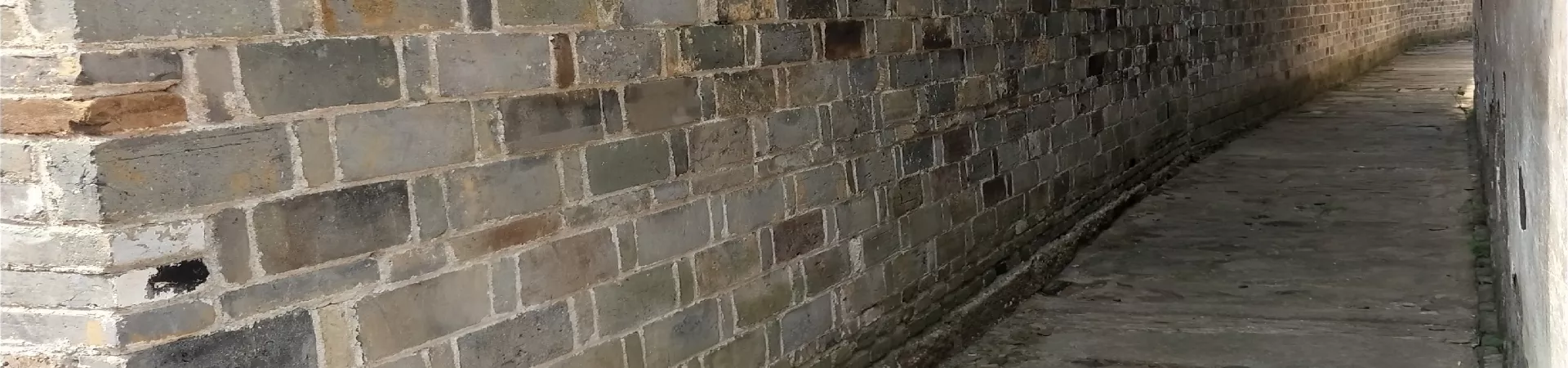
3.3. The Foundation of Stone Unifying this entire urban fabric is the pavement underfoot: long, worn slabs of hemp stone (麻石). These granite-like stones, smoothed by centuries of footsteps and weather, line every thoroughfare. Their enduring presence is a tactile reminder of the street’s age and resilience, their cool surface and rhythmic clatter underfoot providing a constant, grounding sensory experience throughout the visit.
4. The Visitor Experience: Practical Information and Immersive Discovery 4.1. Planning Your Visit Kongcheng Old Street is open to the public daily from 09:00 to 21:00, with last admission at 20:30. Visitors typically spend between one to three hours exploring its length and hidden alleys at a leisurely pace. A significant advantage for travelers is that access to the street itself is free of charge, making it an accessible cultural destination. For any inquiries, the local administration can be contacted at +86 556 6988666.
4.2. Experiencing the Atmosphere A visit here is best undertaken with a mindful pace. The journey is less about specific landmarks and more about the atmosphere. Observe the architectural details: the carved wooden façades, the horsehead gable walls (马头墙) symbolizing ancient fire prevention, the weathered shop signs, and the courtyard entrances hinting at inner lives. While many buildings retain their original external appearance, some now house small tea shops, craft stores, or local snack vendors, allowing for pleasant pauses.
4.3. Capturing the Essence The true magic of Kongcheng Old Street reveals itself in the quiet moments: the play of sunlight and shadow on the stone path in the late afternoon, the glimpse of elderly residents maintaining their timeless routines, and the evocative silence of the narrower alleys. It is a place for photography, contemplation, and imagining the echoes of past market clamor that once filled this now-serene architectural canyon. It stands as a beautifully preserved chapter from China’s historical narrative, patiently awaiting readers who wander its ancient, stone-lined pages.