Balang Mountain
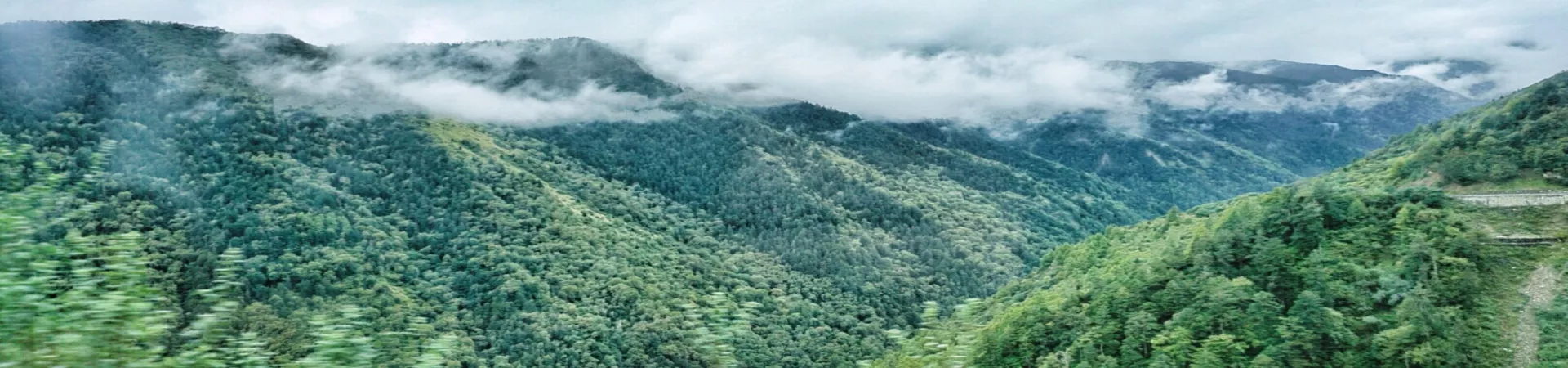
Subtitle: A Comprehensive Travel Guide to Balang Mountain, Aba, China
Introduction Nestled within the majestic contours of the Aba Tibetan and Qiang Autonomous Prefecture in Sichuan Province, China, Balang Mountain stands as a silent, formidable sentinel. With its peak soaring to approximately 5,040 meters above sea level, it is not merely a mountain but a profound natural spectacle. This guide synthesizes practical information with descriptive insight to help you envision and plan a journey to this remarkable destination. The landscape here is a dramatic study in contrasts, where the raw, imposing power of high-altitude rock meets the gentle, ephemeral beauty of alpine meadows in bloom.
1. The Majestic Landscape of Balang Mountain 1.1. The Summit and High Peaks The crown of Balang Mountain is a realm of austere grandeur. The summit, often shrouded in ethereal white mists, presents a formidable visage of craggy cliffs and precipitous slopes. These rock faces, weathered by time and elements, rise sharply, creating a stark and dramatic silhouette against the sky. For much of the year, the peak is adorned with a cap of pristine snow, adding to its serene yet imposing presence. This high-altitude environment offers breathtaking panoramic views, weather permitting, making the arduous journey upwards a rewarding endeavor for those seeking awe-inspiring vistas.
1.2. The Alpine Meadows and Flora Descending from the rocky pinnacles, the terrain softens into one of Balang Mountain's most enchanting features: its vast alpine meadows. These low-lying areas, draped over the mountain's shoulders like a seamless, verdant carpet, provide a stunning contrast to the stark peaks above. During the warmer months, typically from late spring to early autumn, these meadows undergo a miraculous transformation. They erupt into a vibrant tapestry of wildflowers, with blossoms of various hues spreading across the hillsides as far as the eye can see. This colorful display, set against the backdrop of green grass and distant snowy peaks, creates a scene of breathtaking and serene beauty.
2. Practical Travel Information 2.1. Suggested Duration of Visit A visit to Balang Mountain is typically planned as a full-day excursion. The significant travel time from major starting points like Chengdu, combined with the desire to fully experience the mountain's different elevations and vistas, necessitates a full day. This allows for a leisurely journey, adequate time for photography, short hikes, and simply absorbing the magnificent surroundings without feeling rushed.
2.2. Transportation: How to Get There The most common route originates from Chengdu, the provincial capital. 2.2.1. Primary Route: Travelers should first take a long-distance bus from Chengdu bound for Xiaojin County. These buses operate regularly from Chengdu's bus stations. 2.2.2. Final Leg of the Journey: Upon arrival in Xiaojin County town, the final segment to Balang Mountain requires a local vehicle. The most convenient and flexible options are either hiring a taxi for the round trip or chartering a private car. This allows you to set your own pace and make stops along the scenic mountain roads.
3. Admission and Operational Details 3.1. Ticket Information As of the latest update, access to Balang Mountain itself does not require a purchase ticket. It is important to note that this information is subject to change. Travelers are strongly advised to verify the current admission policy through official local tourism channels or their accommodation hosts before their visit, as policies can be updated.
3.2. Opening Hours The mountain area is accessible to visitors 24 hours a day, throughout the year. This round-the-clock access provides flexibility for planning. However, it is crucial to align this with transportation availability and weather conditions. Traveling at night or during severe weather is not recommended due to safety concerns on mountain roads.
4. Essential Tips for Visitors 4.1. Acclimatization and Health Given the high altitude, which can easily exceed 4,000 meters at pass areas, acclimatization is paramount. Visitors are advised to ascend gradually, stay well-hydrated, avoid strenuous activity immediately upon arrival, and be aware of the symptoms of altitude sickness. Those with pre-existing heart or lung conditions should consult a doctor before the trip.
4.2. Weather and Packing Essentials Mountain weather is notoriously unpredictable and can change rapidly. Temperatures can be significantly lower than in the lowlands, even in summer. 4.2.1. Clothing: Pack layered clothing, including a warm fleece or down jacket, a windproof and waterproof outer shell, a hat, and gloves. 4.2.2. Other Essentials: Sturdy footwear, sunscreen, sunglasses (to guard against strong UV radiation at high altitude), lip balm, and sufficient water and high-energy snacks are essential.
4.3. Safety and Respect for the Environment Always stay on established paths and viewing areas, especially near cliffs and steep drops. The mountain ecosystem is fragile; please practice "Leave No Trace" principles by taking all trash with you and avoiding picking flowers or disturbing wildlife. Finally, always inform someone of your travel plans and expected return time.
Information last updated: June 26, 2023. Credit and thanks to contributor Burning Steamed Bun for editorial input.